



Cuplock scaffolding has earned its place as one of the most trusted modular systems on modern construction sites. Teams like it because it locks quickly, handles heavy loads without trouble, and doesn’t take forever to assemble. Over time, it has become a go-to solution for contractors, industrial maintenance crews and builders working on everything from towers to bridges to large infrastructure work. It feels solid on site and adapts well to demanding environments.
What Is Cuplock Scaffolding?
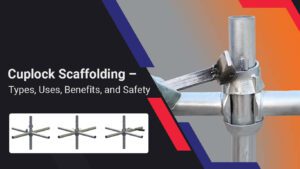
Cuplock is a modular system that links standards and ledgers through a simple cup-and-node lock instead of juggling loose bolts. Most of the time, one solid tap with a hammer is enough to tighten everything in place. It saves a lot of time during setup and makes taking it down much quicker than the older tube-and-clamp method. Because the entire system is made from hot-dip galvanized steel, it holds up well even in rough outdoor conditions and long, repetitive projects.
Key Features of the Cuplock System
The system comes with a few core strengths that make everyday work easier. It locks quickly without tools. It can manage heavy loads comfortably. The modular layout keeps things steady even as the structure goes higher, which makes it easier to trust while you’re building. Most parts are galvanized, so they last through multiple cycles. It also works well across various sites, which cuts the time spent on setup and adjustments. Overall, these features make Cuplock a reliable fit for tough construction environments. To understand how Cuplock scaffolding compares with other modular scaffolding systems, read our detailed guide on types of modular scaffolding systems used in modern construction projects.
Main Components of Cuplock Scaffolding
Cuplock works through a set of parts that fit together smoothly, so the whole system behaves in a clear, predictable way.
Standards (Verticals)
These vertical tubes come with cup joints spaced out along their length. They’re basically the backbone of the setup and take on most of the weight.
Ledgers (Horizontals)
These connect to the standards with their forged blade ends. Once they settle into the cups, the structure becomes stable.
Transoms
These are the horizontal pieces that keep the boards or platforms steady. They usually sit quietly in the background, but they still manage to handle a good deal of the weight.
Base Jacks & U-Jacks
It allows easy adjustment of height and spreading of loads appropriately to keep formwork balanced, with the base secured.
Braces
These keep the structure from swaying and give side support, making the whole setup feel steadier.
Together, these parts create a modular base that can be shaped for simple jobs or more complicated builds.
Types of Cuplock Scaffolding Systems
- Cuplock Access Scaffolding
Used for façade work, painting, repairs and general maintenance. - Cuplock Shuttering & Formwork Support
Its high load capacity makes it suitable for slabs, beams and bridge work. - Cuplock Staircase Towers
These offer a safe way for workers to move between different levels on the site without any hassle. - Cuplock Mobile Towers
Portable towers with wheels that give quick access for maintenance work, especially when you’re indoors and need to move often.
Each type can be adjusted depending on the needs of the project, which adds flexibility and saves time.
Where Cuplock Is Commonly Used (Practical Applications)
You’ll find Cuplock across a wide range of industries. It supports high-rise construction. It helps with commercial and residential façade work. Infrastructure projects like flyovers and metros also rely on it. Oil and gas sites use it for maintenance. It shows up in shipyards, factories and even temporary event platforms. It also works well for heavy slab support and formwork.
A quick example
A recent 12-storey residential project reduced its overall scaffolding time by roughly 40 percent simply because the site switched to Cuplock.
Benefits of Cuplock Scaffolding
- Faster Assembly & Dismantling
The cup-lock joint cuts down on setup time and helps keep labour costs in check. - High Strength & Stability
It can take on heavy loads without trouble, which is why it works so well for shoring and slab support. - Reduced Inventory Requirements
You donot need lots of parts to keep the system running which makes storing and moving everything around becomes a lot easier. - Long Service Life
The galvanized finish protects the parts and enables them to last through many years of use in normal conditions. - Cost-Effective for Repetitive Projects
The modular layout becomes more cost-friendly when you are using it time and again for similar kinds of projects.
Limitations of Cuplock Scaffolding (Important to Know)
No system is perfect. Cuplock sometimes feels less flexible in very tight or uneven spaces. It still needs trained workers who understand proper locking and alignment. The initial cost is slightly higher than basic tube-and-clamp systems. A few custom shapes might require extra fittings. Knowing these points helps teams plan better and avoid surprises on site.
Safety Standards & Best Practices
Safety is something that is to be maintained through each phase of the scaffolding process. It is must that only trained workers should be the ones setting it up and checking it, since that keeps the whole structure safer.
Follow Industry Standards
Make sure the system meets standards like EN 12810, EN 12811, OSHA and any local rules that apply in your area.
Pre-Use Inspection Checklist
Look over the cups and blades for any bending or unusual wear. It is important to keep an eye out for cracks or rust. Apart from that also make sure the base jacks are stable and level, and check that every cup is properly locked.
During-Use Recommendations
Use proper ladders, rails and toe boards. Avoid overloading the platforms. Inspect the structure regularly while the project is active.
Dismantling Safety
When it’s time to take the structure down, do it in a planned sequence, starting from the top and working your way down slowly and safely.
Cuplock vs Other Scaffolding Systems
A simple comparison:
| Feature | Cuplock | Ringlock | Tube & Clamp |
|---|---|---|---|
| Assembly Speed | Very Fast | Fast | Slow |
| Flexibility | Moderate | High | Very High |
| Load Capacity | High | High | Medium |
| Cost | Moderate | High | Low |
| Ideal Use | Repetitive & heavy-duty support | Complex structures | Irregular shapes |
This helps teams understand when Cuplock is the best fit.
Buying vs Renting Cuplock Scaffolding
Rent Cuplock If:
The project is short, your budget is not much or requirements keep on changing.
Buy Cuplock If:
You work on repetitive tasks, want full control of inventory or plan long-term cost savings. For frequent users, owning the system usually pays off.
How to Choose a Reliable Cuplock Supplier
- Look for parts that are properly hot-dip galvanized, since that’s what keeps them from wearing out too fast.
- Check if their weld quality is steady and not hit-or-miss. Good welds usually say a lot about the overall build.
- Ask for load-testing certificates. It’s a simple way to confirm the parts can actually handle the weight they claim.
- Make sure they offer compatible cuplock accessories so you don’t end up mixing pieces from different systems.
- See if they maintain enough stock, because waiting weeks for basic components can delay the whole project.
- Pick a supplier who delivers on time and responds when you need help. It makes day-to-day work smoother and cuts down on unnecessary stress.
Frequently Asked Questions (FAQ)
Q: Is Cuplock scaffolding safe?
Yes, as long as trained workers assemble it properly and conduct regular checks.
Q: What makes Cuplock different?
Its fast locking system, sturdy build and reusable modular design make it easier to work with.
Q: How long does Cuplock last?
With care and galvanization, it can last through years of heavy use.
Q: Can Cuplock handle heavy loads?
Yes, it is built for strong load capacity, including shoring and slab support.
Q: Is Cuplock cheaper than Ringlock?
Cuplock often becomes more cost-efficient for repetitive tasks and heavy-duty support.
Conclusion
Cuplock scaffolding gives strength, speed and long-term durability. Its modular scaffolding parts and simple locking system help teams in saving time without compromising safety. Because it performs well across construction, industrial and infrastructure projects, it has become one of the most trusted systems worldwide. Whether the task involves façades, slab support or plant maintenance, Cuplock continues to deliver consistent performance for contractors everywhere.


Comments are closed