Posted by iDigitalise on | Comments Off on How to Cut Stair Stringers with a Circular Saw
Cutting stair stringers using a circular saw takes good planning, a steady hand and the right tools. This is an important part of building safe, strong and level stairs that may be part of a larger home project. Once you understand how to cut stair stringers, you can justifiably approach a larger home or commercial space build.
This guide will help you work through the entire step-by-step process, from measuring your rise and run to making a clean cut in the corners to provide the proper cuts your stairs require.
What Are Stair Stringers?
Stair stringers are the angled boards that are used as a base structure for the stairs to hold the steps (treads) and risers in the staircase. They are cut from 2×12 boards, and every cut must be perfect for the stairs in your project to be solid and safe.
Tools and Materials You’ll Need
Circular saw (7-1/4″ is ideal)
Framing square with stair gauges
Measuring tape
Pencil or chalk line
Handsaw or jigsaw
Clamps
Safety gear: gloves, goggles, ear plugs
Step by step: How to cut stair stringers
1. Measure total rise and total run
Start with measuring the total rise, where the total rise is measured as the distance from the lower finished floor to the top landing.
Divide the total rise measurement by your riser height (7″ to 7.75″) and you will arrive at the quantity of steps that will be needed.
Use the last number of steps just calculated times your tread depth (typically 10″) in the amount of total run (distance the stairs will stretch out horizontally).
2. Mark the Stair Layout:
Using the marking square and your stair gauges, mark the rise and the run on your 2×12.
Set the stair gauges for your measurements and then set them on the board (for example, a stair with a 7″ rise and a 10″ run).
Place your square at one end of the board and mark your first step.
From there, mark down the board in the same manner until you have fully marked out the steps.
3. Cut your Stringer with a Circular Saw
With your circular saw, cut along the lines you have drawn.
Make sure to not cut all the way through at the inside corners to avoid overcutting.
Complete each cut with a handsaw or jigsaw to keep the inner corner clean and the wood strong.
4. Test fit and copy
Place your first cut stringer in place to check the fit.
If it fits well, trace it and cut the others using it as a template.
Most stairways need at least 3 stringers, one on either side and one in the middle.
5. Sand and Get Ready for Installation
Sand all the rough spots and splinters.
Check all cuts are square and even. For example, check that the “rise” and “run” drawn in actual length equal the same distance from top to bottom. This will help make any adjustment before getting carried away.
Once everything looks good, you can proceed to install your treads and risers.
Pro Tips
Use straight, solid 2×12 boards without large knots
Double-check your measurements before cutting
Clamp your board so it stays still while cutting
Label the top and bottom to avoid flipping the board during layout
Why Use a Circular Saw?
A circular saw is great for this job because it cuts clean and fast through thick boards. Just remember that it can’t reach tight inside corners, so you’ll need a handsaw or jigsaw to finish those off neatly.
Safety Tips
Always wear goggles, gloves, and hearing protection
Make sure your saw blade is sharp and set at the right depth
Clamp your board tightly before cutting
Keep your hands away from the blade path and stay in control of the saw
Common Mistakes to Avoid
Overcutting inside corners, which weakens the board
Using twisted or bowed lumber
Miscounting the number of steps
Skipping the handsaw finish on corners
Cutting all stringers without testing the first one
When to Use Pre-Made or Metal Stringers
If you’re short on time or working on a bigger project, pre-cut or metal stringers can save you effort. They’re consistent, easy to install, and suitable for commercial or heavy-use stairs.
Final Thoughts
Cutting stair stringers with a circular saw requires time, precision, and a little patience, too. With the right tools and good planning, you can build stairs that are solid, safe, and made to last.
Need the materials or stair products? AAIT has premium materials you can trust, whether it’s a home build or a commercial job.
FAQ’s
Q: Can I use a circular saw to cut stair stringers?
A: You can cut most of it with a circular saw, but you will get a cleaner cut at the corners with a hand or jigsaw.
Q: What size board do I need for stair stringers?
A: A 2×12 is standard because its strength is sufficient to build a supported step that is safe.
Q: How many stringers do I need for stairs?
A: Three is more common. Two on the sides and one in the middle.
Q: Are pre-made stair stringers good for bigger projects?
A: Sure, pre-made stringers are faster and consistent, especially for commercial or high-traffic stairs.
Posted by iDigitalise on | Comments Off on Scaffold User Training Must Include These 7 Critical Safety Elements – AAIT Scaffold USA
Scaffold user training must cover seven key safety areas: hazard recognition, fall protection, proper use, load limits, access methods, inspection routines, and emergency actions. These topics are required by OSHA to make sure scaffolds are used safely on construction sites across the U.S.
When working with scaffolds, safety is a must. Anyone who steps on a scaffold needs proper training. And training should be repeated as job conditions change and new risks arise.
In this guide, we’ll explain what scaffold training must include, who should deliver it, and how it lines up with OSHA’s rules.
Why Scaffold User Training Is a Must
Falls from scaffolds are one of the biggest causes of injuries and deaths on construction sites. OSHA regularly lists scaffold safety violations among the top five issues during inspections.
That’s why OSHA (29 CFR 1926.454) requires all workers who use scaffolds to be trained by someone qualified.
Scaffold User Training Should Include:
1. Hazard Recognition
Workers should know how to identify:
Weak or unstable scaffold components
Nearby power lines or electrical hazards
Guardrails that are missing, loose or hard to use
Slips, trips & falls hazards or unforeseeable weather events
Recognising these issues up front can help prevent an accident.
2. Fall Protection Requirements
Fall protection is required whenever the scaffold is ten (10) feet above the ground/level, so training should discuss:
When to use a fall harness and fall arrest systems
How to wear and connect a fall harness correctly
Why guardrails and toe boards are important to scaffold safety
When and how to properly select an anchor point(s) for the fall harness.
3. Proper Use of Scaffolds
Users must be trained to:
Get on and off scaffolds safely
Avoid climbing on rails or overreaching
Stay within weight limits
Never place ladders or makeshift platforms on scaffolds
Using scaffolds the wrong way is a major cause of falls.
4. Understanding Load Capacities
Overloading scaffolds is risky. Training should also address:
The difference between design load and maximum load
How to calculate the total weight on the scaffold (people, tools, materials)
How to evenly spread weight on the scaffold platform
Why you should never store extra materials on scaffolds
5. Scaffold Access Procedures
Safe access matters. Workers should be taught to:
Use ladders, stair towers, or ramps
Avoid climbing scaffold frames or braces
Keep entry points free of clutter or tools
Many scaffold injuries happen during improper access.
6. Inspection Protocols
Each scaffold must be checked before use. Training should cover:
What to look for daily like planks, pins, and rails
How to report problems
How to read scaffold tags (green for safe, yellow for caution, red for unsafe)
Workers should never step onto a scaffold without knowing it’s safe.
7. Emergency Procedures
Training should also prepare the worker for an emergency. Training should cover:
What to do should the scaffold fail or collapse
What the evacuation plans are and how to notify others
Basic first aid and how to get help
How to report injuries and/or near misses
Being prepared can save lives when something goes wrong.
Who’s Responsible for Scaffold Training?
A qualified person can only deliver scaffold training. This qualified person must:
Understand scaffold design and safety regulations
Be able to recognize hazards
Have the authority to stop unsafe behaviour
And:
Training must be appropriate for the site & scaffold type
If conditions or scaffold type change, there must be retraining
If a worker demonstrates unsafe behaviour, they must get retrained
What if workers have not been trained?
Not training workers could have bad outcomes, such as:
OSHA fines and penalties
Higher chances of injury or death
Lawsuits and problems with your insurance
Delay or shutdown of your project.
Most importantly, it puts everyone at risk at the site; one untrained worker can put everyone at risk.
In Summary
Scaffold user training must be concise, practical and repetitive.
At AAIT Scaffold, we support more than building strong scaffold systems. We stand for safe construction. Our products, from cuplock systems to aluminium planks, are all made to safety specifications while helping teams remain compliant.
If you’re a contractor or site manager, scaffold user training needs to be a priority! It is the most prudent way to build safer and better.
Posted by iDigitalise on | Comments Off on Does Mobile Scaffolding Need to Be Tagged? – AAIT Scaffold USA
Yes, mobile scaffolding in the USA must be tagged. Both OSHA and ANSI require that mobile scaffold systems are checked and tagged before use to confirm they’re safe, properly built, and secure to work on.
Tagging is often a legal requirement, especially when workers are at heights above 10 feet. In this article, we’ll explain why tagging matters, which rules apply, who should handle it, and how to set up a tagging system for your site.
Why Does Mobile Scaffolding Need to Be Tagged?
Mobile scaffolds are easy to move and adjust, which makes them useful but also riskier. They’re often shifted around, which increases the chance of being set up incorrectly or placed on unstable ground.
Tagging helps by:
Clearly showing whether the scaffold is safe to use
Keeping inspection records for compliance
Stopping people from using unsafe scaffolds
Helping workers communicate better about safety
More than just ticking a box, tagging saves lives. Falls from scaffolds are still one of the top causes of injuries in construction.
What Regulations Apply to Mobile Scaffold Tagging?
In the U.S., mobile scaffolds fall under OSHA standards (29 CFR 1926.451 and 1926.452) and ANSI A10.8 guidelines. Here’s what they say:
OSHA 1926.451(f)(3): Scaffolds must be inspected daily and after any incident that could affect their safety.
ANSI A10.8: Recommends using a tag system to show the scaffold’s current status.
While OSHA doesn’t force you to use specific tag colours, most sites follow this common system:
Tag Colour
Meaning
Green
Scaffold is safe to use
Yellow
Use with caution or conditions
Red
Do not use – scaffold is unsafe
Who Is Responsible for Tagging?
Only a competent person as defined by OSHA can tag scaffolds. This person must:
Be trained in scaffold safety and setup
Be able to spot hazards
Have the authority to take action if something’s wrong
They must inspect the scaffold once every shift, and again any time it’s moved or changed.
When Should Mobile Scaffolds Be Tagged?
Scaffolds should be tagged at key stages:
After Setup – Before anyone uses it, a tag must confirm it’s safe.
Daily Checks – Tags need to be updated if something changes.
After Any Change – Adjusting the height or position means a new tag is needed.
After Weather Events – If it’s been exposed to wind, rain, or impact, inspect and retag it.
Best Practices for Scaffold Tagging on Job Sites
To make sure your tagging process is effective, follow these simple steps:
Use strong, weatherproof tags
Place tags where everyone can see them—like entry points
Train all workers to understand tag colours and what to do if something seems wrong
Keep inspection records in a logbook or digital file
Never remove red or yellow tags unless you’re authorised and qualified
Remember: a tag is not a replacement for proper scaffold setup. It’s an extra safety step.
What is the Worst That Could Happen if You Don’t Tag Mobile Scaffolds?
There could be significant repercussions for not tagging your scaffolds, which include:
Fines and citations from OSHA
Additional liability if someone is hurt
Injuries from unsafe scaffolds
Delays and project hold-ups caused by safety infractions
Then, a simple tag can help eliminate all of that.
Wrap Up
Yes! You should tag mobile scaffolds on any jobs in the U.S. First, it is fast, inexpensive and a great way to protect your people and streamline a project.
At AAIT Scaffold we provide not only safe scaffold solutions such as cuplock scaffold systems, aluminium planks, and guard rail systems but also professional advice to help you stay compliant. So whether you are upgrading your mobile scaffold equipment or would simply like to speak to us about creating a tagging process, reach out to us today.
Posted by iDigitalise on | Comments Off on Who Is Responsible for Designing a Scaffold?
The design of scaffolding is the responsibility of a qualified scaffold designer or structural engineering, especially when the system being designed is complex or entails a higher-risk system. For more standardised scaffolding systems, such as the standard prefabricated type, the scaffolding contractor may refer to the manufacturers guidelines. Nevertheless, ultimately it is an employer or principal contractor that holds the final responsibility to ascertain that the design is safe, compliant, and appropriate to the site conditions.
Now let’s further explore this to understand who does what and at what point in time.
What Does Scaffold Design Involve?
Designing scaffolding is not simply the act of stacking frames and boards together (not that difficult); the fundamental purpose of a proper scaffold design is to ensure:
Structural stability will not collapse and fail when subjected to loading
Safe access and safe work platforms are provided
Compliance with federal and local regulations, e.g., OSHA; WorkSafe
Protection from hazards that could exist for the scaffolding system, e.g. collapse; tipping; even overloading.
There are two types of scaffold designs: standardised scaffolding (from manufacturers) and engineered systems – experimental and site-specific designs.
Understanding load calculations is a critical part of scaffold design. To explore this in detail, check our blog on the maximum intended load of a scaffold, which directly influences how designers plan safe working platforms.
Who May Be Responsible in Different Scenarios?
1. Qualified Scaffold Designer / Engineer
Required for: Suspended, cantilever, or complex scaffolds
Must calculate loads, angles, bracing, and safety limits
Provides signed-off technical drawings and load ratings
2. Scaffolding Contractor or Erector
Works with standard manufacturer specifications
Might be managing simple modular scaffolds in compliance
Builds the scaffold according to approved plan
3. Principal Contractor or Site Manager
Interface between designers, safety officers, and erecting contractors
Ensures the scaffold is fit for the conditions at the site
Part keeps documentation, approvals and inspections
4. The employer / PCBU (Person Conducting a Business or Undertaking)
Has clear legal responsibility for safety in the workplace
Must, in situations where scaffolds are, for example, used above certain heights, take all possible steps to ensure such scaffolds are designed and built by competent people
This can become complex, especially in construction environments that pose an elevated risk
Legal Requirements by Region
Australia (WorkSafe)
Scaffold greater than 4 metres require a licensed scaffolder
Complex scaffolds in height require a competent designer or a qualified engineer
PCBU is responsible for ensuring compliance
USA (OSHA)
Scaffold must be designed by a “qualified person”
Complex structures must be designed by a registered professional engineer which is approved
UK (HSE)
Follow NASC TG20 for scaffolds which are standard
Non-standard scaffolds must instead source bespoke design from a competent designer
Summary Table: Scaffold Design Responsibilities
Role
Scaffold Type
Responsibility
Scaffold Designer/Engineer
Complex/custom builds
Structural design, safety calculations
Contractor/Erector
Standard/modular scaffolds
Build to spec, ensure stability
Site Manager
All types
Oversight, inspection, documentation
Employer / PCBU
All types
Ensure legal & safety compliance
Frequently Asked Questions
Q. Can a scaffolder design their own scaffold?
Yes, for basic setups if following manufacturer specs. For custom or load-heavy scaffolds, a qualified designer is needed.
Q. Do all scaffold design needs certification?
Not all. Standard system scaffolds may not require certification if used as per manufacturer instructions. Custom or high-risk scaffolds do.
Q. Who certifies and signs off a scaffold before it is used?
A competent person, normally a licensed scaffolder or competent supervisor, will inspect and certify the scaffold before it is used.
Conclusion: Safety Starts with Proper Design
So, who is responsible for designing a scaffold?
– This will depend on the type and complexity of the scaffold system.
– For custom designs, the scaffold designer must be a qualified scaffold designer or engineer.
– For simple scaffold systems, contractors can use standard design criteria; although that being said the employer or principal contractor is always responsible for the scaffold’s safe use and compliance.
If worker safety is at risk, ensure competent, certified professionals are at the helm of a scaffold’s design.
Posted by iDigitalise on | Comments Off on List of Requirements for Scaffold Toe Boards
OSHA 1926.451(h)(4)(ii) says that scaffold toe boards must be at least 3.5 inches high, firmly secured, and able to hold up to 50 pounds of force without breaking. They need to be put up on all scaffold platforms where tools or materials could fall and hit workers below.
What is a toe board for scaffolding?
A scaffold toe board is a vertical barrier that goes along the edge of a scaffold platform. It is commonly constructed of wood, metal, or plastic. Its major job is to keep equipment, materials, and trash from falling and hurting workers on lower floors or people strolling under the structure.
Requirements for Toe Boards in the US (OSHA & ANSI)
According to OSHA (Occupational Safety and Health Administration) and ANSI (American National rules Institute) rules, here is a complete list of toe board requirements:
Requirement Details
Minimum Height: The distance from the top edge to the platform must be at least 3.5 inches (89 mm).
Material Strength: The material must be able to handle at least 50 pounds of force in either direction.
Putting it in place: Fastened tightly to keep it from moving
Space Acceptance: There should be no more than 1/4 inch of space between the bottom of the toeboard and the platform.
Openings must be present on all sides and ends where tools, materials, or people could fall.
The toe board can’t have any holes that are bigger than 1 inch.
Duration of Use: Should stay in place for the whole time you are working above it
When do you need toe boards?
There is a chance that things will fall on workers below.
There are guardrails up, and people are working under the scaffold.
The scaffold platform is where the materials are stored.
The scaffold is built in a place where many people walk by or use it.
More Best Practices
Kickboards should be composed of strong materials like aluminum, steel, or treated wood.
Clearly mark toe boards so that they can be seen and checked for safety.
For comprehensive edge protection, use with midrails and top rails.
Check the toe boards every day for damage, warping, or coming loose.
Penalties for Not Following
If you don’t put in or keep up with the right scaffold toe boards, you could face major consequences:
OSHA violations that cost more than $15,000 each time
Higher chance of getting hurt or dying
Shutting down job sites and delaying projects
Last Thoughts
Toe boards may seem like a tiny thing, but they are quite important for keeping scaffolding safe. If you follow the full list of scaffold toe board regulations above, you will not only be obeying U.S. safety laws, but you will also keep your workers safe from accidents that could have been avoided.
Posted by iDigitalise on | Comments Off on Introduction to Tubular Scaffolding Systems
Tubular Scaffolding Systems
Tubular scaffolding, or tube and clamp scaffolding, is a highly configurable temporary structure that is designed to provide workers with safe access and support the materials used when working at heights during construction, maintenance, and repairs. Made of steel or aluminum tubes connected by a variety of clamps and couplers, it can be assembled to adapt to a wide range of project configurations and requirements. Tube and clamp scaffolding can accommodate various curved or uneven surfaces; it’s easy to disassemble and haul away upon completion of the job, and it is designed to meet government safety standards while also being reusable and durable. Difference Between Modular & Tubular Scaffolding is often discussed on worksites because tubular scaffolding allows more on-site adjustments than modular systems with fixed frames.
What is Tubular Scaffolding?
Tubular scaffolding is a framework made from steel or aluminum tubes connected by couplers or welded joints. Its main job is to create a temporary working structure that supports workers, materials, and tools at various heights. These systems can be adapted and configured to suit different building shapes or tasks, making them valuable on everything from small renovations to major construction sites.
One of the biggest advantages of tubular scaffolding is how simple its parts are. With a handful of key tubes, fittings, and boards, a crew can build a stable, reliable work platform quickly and take it down just as easily. That flexibility explains why tubular scaffolding systems remain one of the top picks around the world.
Advantages of Tubular Scaffolding Systems
There’s a reason tubular scaffolding systems have been around for decades. Let’s look at what gives them an edge.
Versatility: They can be configured in endless shapes and heights to suit many job sites.
Strength: Tubular scaffolding parts are designed to carry heavy loads, giving peace of mind on demanding projects.
Reusability: Steel or aluminium tubes can be reused over and over, reducing long-term costs.
Simple repairs: Damaged tubes or couplers can be replaced without taking apart the entire scaffold.
Modular build: Sections can be added or removed with minimal fuss, adapting to shifting needs.
Availability: Tubular scaffolding parts are easy to source, so there’s rarely a delay.
According to OSHA, scaffold-related accidents contribute to around 4,500 injuries every year. A system that’s easy to inspect and maintain, like tubular scaffolding systems, is a major advantage for safety.
Types of Tubular Scaffolding
Tubular scaffolding isn’t a one-size solution. It comes in a few forms to suit different work demands. Let’s break those down.
1. Tube & Coupler Scaffolding
This classic type relies on basic steel tubes joined by right-angle or swivel couplers. Workers can build any shape needed by connecting tubes horizontally and vertically. Tube and coupler scaffolding is flexible and great for complex designs, like curved buildings or irregular surfaces.
2. Frame Scaffolding
Frame scaffolding uses prefabricated welded frames joined together. It goes up quickly and is popular for standard shapes and heights. Painters, bricklayers, and plasterers like this setup since it’s simple to assemble and can be moved without hassle.
3. System Scaffolding
System scaffolding features pre-engineered vertical and horizontal components that connect using built-in locking systems. These modular systems are strong, reliable, and consistent. They’re a solid choice for projects with repeatable patterns, like high-rise towers or industrial tanks.
Safety Considerations for Tubular Scaffolding
Safety always comes first. Tubular scaffolding systems offer reliable support, but only if they’re set up and maintained correctly. Let’s look at the essentials.
Inspecting the Scaffold
Every scaffold should be checked before workers step on it. A quick inspection helps spot issues like
Missing pins or couplers
Rust or cracks in tubes
Loose platforms
Slipping planks
Small problems can lead to big accidents if ignored. Daily checks are an absolute must.
Maintaining and Inspecting the Scaffold
Maintenance isn’t a one-time thing. Cleaning mud, paint, or concrete from tubular scaffolding parts stops them from becoming slippery. Check bolts and pins after bad weather or heavy use. Tighten anything that feels loose, and replace damaged components right away.
According to OSHA, 65% of construction workers use scaffolds regularly, so a consistent maintenance plan is non-negotiable.
Worker Training and Safety Guidelines
Even the best scaffold fails if people don’t know how to use it. Training should cover:
Safe climbing techniques
Load limits
Fall protection
Proper tool handling on platforms
Workers should also be reminded to keep three points of contact on ladders and avoid carrying materials up by hand if they’re too heavy.
Ensuring Adequate Fall Protection
As per OSHA 3150 2002 1926.451(g)(1) guardrails and toeboards on scaffolds should be higher than 10 feet. Harnesses might be needed for even higher work or during construction near open edges. Tubular scaffolding systems should never go up without proper fall protection in place.
Common Uses of Tubular Scaffolding
You’ll spot tubular scaffolding in plenty of places. It’s so adaptable that many industries count on it day after day.
Applications of Tubular Scaffolding:
Building facades for bricklaying or plastering
Industrial maintenance around storage tanks and silos
Bridge repairs, especially where the ground is uneven
Shipbuilding and offshore platforms
Theatres or stages, where temporary rigging is needed
Renovations inside commercial buildings
Tubular scaffolding types can be adapted for straight, curved, or even sloped surfaces. Their modular nature keeps them practical in nearly any scenario.
Considerations for Choosing Tubular Scaffolding
A scaffold that’s perfect for a sleek downtown tower might completely flop on a rugged country bridge. Every job brings its own challenges, so it pays to think carefully before picking the right tubular scaffolding systems for your project. Look at your environment, crew experience, and project demands before deciding.
Project Height and Complexity
Taller buildings usually need heavier-duty scaffolds with additional bracing and tie-ins to stand up to strong winds and higher loads. If your project has tricky overhangs, curved surfaces, or unusual shapes, tube and coupler scaffolding might be the most reliable choice thanks to its unmatched flexibility. Having that adjustability makes work safer and smoother, especially on complex architectural builds.
Weight-Bearing Requirements
It’s worth thinking ahead about what will rest on the scaffold during work. Construction materials, power tools, and even scrap debris can pile up faster than you expect. The scaffold must manage all that weight without shifting, bowing, or buckling. Check the rated loads for your tubular scaffolding systems and be sure it matches the site’s workload so accidents don’t sneak up on you later.
Terrain and Work Area Conditions
If the worksite is rough, rocky, or uneven, tubular scaffolding systems with adjustable base plates help keep things level and secure. When working on a solid concrete pad, standard flat base plates might be all you need. Stay away from placing scaffolds on soft, shifting, or unstable surfaces that could give way without warning. Stable ground and a well-leveled scaffold make a world of difference in worker safety.
Scaffolding Provider and Safety Standards
Always choose a scaffolding provider with a proven safety record and proper documentation. Ask questions about OSHA compliance, load testing, and inspection reports before signing any contract. Confirm that their tubular scaffolding parts meet regulations and are well maintained. Trustworthy providers can help you avoid headaches and keep the entire project safer for every worker on site.
Budget and Timeline Considerations
Budget always plays a role, but cutting corners on a scaffold often leads to regrets. Cheap equipment could cost more later in repairs, downtime, or even injuries. Weigh your options carefully so you strike a balance between value and quality. Plan your rental timeline to match construction phases to prevent rushed setups or unnecessary delays that can mess with your schedule.
Conclusion
Tubular scaffolding systems have earned their spot on modern sites for good reason. They’re flexible, reusable, and built to handle heavy loads. With the right training and inspections, these scaffolds create a safer environment that helps projects finish on time. Remember to match the scaffold to your project’s shape, load needs, and height so you get the best results. Keeping a consistent maintenance plan, following OSHA rules, and working with a trusted supplier will go a long way in protecting both workers and investments.
FAQ
What is tubular scaffolding?
Tubular scaffolding uses steel or aluminium tubes connected with couplers to build a stable platform for workers, materials, and tools. It’s a reusable, adaptable way to build safe work areas at height.
What are the advantages of tubular scaffolding systems?
They’re versatile, strong, reusable, and easy to repair. Tubular scaffolding systems also adapt to complex designs and can handle high weight loads, giving them an advantage over simpler scaffold options.
What are the different types of tubular scaffolding?
Tube and coupler scaffolding
Frame scaffolding
System scaffolding
Each has unique strengths to fit different projects.
How should tubular scaffolding be inspected for safety?
A qualified person should check tubular scaffolding parts daily. Look for loose fittings, damaged tubes, rust, or anything missing. Inspect platforms for slipping hazards, and confirm guardrails and toe boards are in place.
What are the common uses of tubular scaffolding?
It supports workers on building facades, industrial maintenance, shipyards, bridge repairs, and even theater staging. Its flexible build makes it a go-to scaffold for many projects.
What should be considered when choosing tubular scaffolding?
Project height and complexity
Weight-bearing loads
Ground or floor conditions
Provider quality and OSHA compliance
Budget and timelines
These details help match the scaffold to the work so it stays safe and efficient.
Posted by iDigitalise on | Comments Off on Overview of Scaffolding Sections
Scaffolding Sections
Scaffolding sections can be classified by their function, construction style, or the materials used to build them. The key parts of scaffolding include standards, which are the vertical supports, along with ledgers, transoms, braces, and secure working platforms. Each of these components works together to create a safe and stable framework for construction work at height. Scaffolding types are often named according to their design and use, for example single scaffolds, double scaffolds, cantilever scaffolds, and suspended scaffolds. Every scaffold section must meet safety regulations to protect workers and support heavy loads, making proper selection and assembly of these sections critical on any building site. In this blog we will explore various scaffolding sections and what scaffolding parts are commonly used.
Scaffolding in Construction
A construction project without scaffolding is like trying to paint a ceiling without a ladder i.e. impossible and risky. Scaffolding in construction helps crews access higher points of a building, transport tools, and keep materials close at hand. These structures have a long history, dating back to ancient civilizations. Today, scaffolding sections are manufactured using steel or aluminum for strength and durability, though wooden versions still appear on smaller sites.
Modern safety rules are strict. OSHA reports that scaffolding accidents cause roughly 4,500 injuries and 60 fatalities every year in the US. That’s why sticking to safe scaffold sections is vital on every site.
Supported Scaffolds
Supported scaffolds rest on the ground and build upward. They are easy to set up, stable, and can handle significant loads. Within supported scaffolding sections, you’ll find several designs suited to different needs.
Static Scaffold Towers
You’ve probably seen these on the side of tall buildings. Static scaffold towers are fixed, meaning they don’t roll or shift. They’re sturdy, especially when secured to a wall or framework. Masons and plasterers love them because they can work steadily without constantly repositioning.
Mobile Scaffold Towers
Mobile towers include wheels, letting workers move them easily around a site. These are lifesavers on projects where the work area changes often. Mobility reduces teardown time, but you must lock the wheels before climbing to avoid a nasty tumble.
Birdcage
Birdcage scaffolds form a square or rectangular grid with horizontal supports at multiple levels. They’re great for tasks on ceilings or large interior spaces. Painters and electricians often use birdcage scaffold sections because they can cover a big area without taking the structure down repeatedly.
Suspended Scaffolds
Suspended scaffolds hang from above instead of resting on the ground. They’re perfect for tall buildings where ground-based support is hard to arrange.
Dropper Scaffold
Dropper scaffolds use vertical ropes or chains anchored at the top, then drop down to carry working platforms. Adjustments can be made along the length so workers stay at the right height.
Hanger Scaffold
Hanger scaffolds are fixed directly to parts of a structure and hang below a permanent surface. For example, they might attach under a bridge to support repairs. They are excellent when there is no room for a traditional scaffold section on the ground.
Scaffolding Parts
Every scaffold section is a puzzle made up of smaller parts. Missing even one piece can put everyone at risk, so it helps to know what goes into these systems.
Scaffolding Section: Basic Structure
The building blocks of a safe scaffold section include these vital components:
Sole Boards
Sole boards sit directly on the ground. They spread the scaffold’s load, preventing it from sinking into soft or uneven soil.
Base Plates
Base plates connect to the standards (vertical posts) and spread the load over the sole boards. They give a flat, even footing for the scaffold frame.
Standards
Standards are the vertical posts running from top to bottom. They carry the entire scaffold’s weight down to the ground.
Ledgers
Ledgers are horizontal members connecting standards at each lift level. They help keep everything square and stable.
Transoms
Transoms run across ledgers, supporting the scaffold boards and helping resist sideways movement.
Ledger Braces
Ledger braces add diagonal support, stopping the scaffold from twisting or swaying.
Facade Braces
These run diagonally against the facade, giving the entire scaffold extra lateral stability.
Putlogs
Putlogs tie one side of the scaffold directly to a wall. They are commonly used in brickwork where workers need to stay close to the structure.
Scaffolding Section: Couplers
Couplers are the clamps that hold everything together. Think of them as the joints that keep the frame connected.
Right Angle Couplers
These join ledgers to standards at right angles, forming a solid grid pattern.
Swivel Couplers
Swivel couplers allow tubes to connect at any angle. These are handy when scaffolding sections need to fit around awkward shapes or corners.
Putlog Couplers
These connect putlogs to ledgers or standards, providing a strong tie-in to the wall.
External Couplers
External couplers join tube ends from the outside, strengthening the overall frame.
Internal Couplers
Internal couplers fit inside scaffold tubes. They’re less common but keep the outside profile neat if there’s limited clearance.
Scaffolding Parts: Safety and Access
Safety gear and access tools make the scaffold usable day to day. You wouldn’t want to climb up and realize there’s no way to get safely across a platform.
Scaffolding Boards
Scaffold boards form the walkway. As per OSHA 3150 2002 1926.451(b)(2), they must be at least 18 inches (46 centimeters) wide to bear the weight of workers, tools, and building materials. In case the work area is less than 18 inches wide, guardrails and/or personal fall arrest systems must be used.
Toe Boards
Toe boards prevent things from rolling or sliding off the edge of the platform. That’s a simple but crucial protection against falling hazards.
Intermediate Rails
These run between the top guardrail and the platform to stop workers from falling through gaps.
Guardrails
Guardrails at the top keep workers from tipping over the edge. As per OSHA 3150 2002 1926.451(g)(1), any scaffold more than 10 feet above ground should have guardrails to protect the workers.
Brick Guard
Brick guards are mesh panels that catch bricks and debris. If you’re working on masonry, brick guards are a must.
Access Ladder
A secure access ladder is the only safe way to climb onto a scaffold. No jumping allowed.
Access Gate
Access gates prevent people from accidentally stepping off a platform opening. They’re often spring-loaded to close behind you.
Safety Tips
Construction workers deserve to head home at the end of the day in one piece. Safe scaffold sections play a huge role in making that happen. Here’s a shortlist of practical safety tips to remember:
Inspect daily: Even if the scaffold sections were safe yesterday, inspect them again today
Follow load ratings: Overloading can cause collapse
Don’t remove parts: Missing braces or couplers mean danger
Use fall protection: Personal harnesses can save lives
Mind the weather: Strong wind and rain turn scaffolds into hazards
So, why focus so closely on scaffold sections? Because they’re the framework that literally supports a crew. By breaking them into smaller scaffold sections, you can inspect them piece by piece and guarantee nothing’s missing. That saves lives and money.
Let’s face it, scaffolding may not look glamorous, but it’s the backbone of the modern construction scene. When you understand how the scaffold sections work, you gain a respect for the precision that goes into every bolt and clamp.
Little Reminders
Never climb on incomplete scaffold sections
Always keep the area clear of rubbish
Tag unsafe scaffolds as “Do Not Use”
Double-check wheel locks on mobile towers
Check guardrails and toe boards after each move
Scaffolding sections come together like a well-organized orchestra. They need everything in its place, from couplers to standards, to stay safe and steady. As a worker or supervisor, you’re part of that orchestra. Staying vigilant is non-negotiable.
And if you’re in charge of a site, treat those scaffold sections like the keys to the castle. Prioritize inspections. Train the team. Keep safety gear on hand.
There’s one last piece worth repeating: OSHA reports scaffolding violations rank among the top five most-cited workplace safety problems every year. That should tell you how important it is to pay attention to scaffold sections, even when you’re feeling rushed or confident.
Conclusion
Scaffolding sections might look straightforward, but there’s a carefully woven logic behind every part. Supported scaffolds, suspended scaffolds, static towers, and couplers all play a role in building structures that reach skyward. You can break down each scaffold section into smaller units, including base plates, standards, ledgers, and transoms, and know exactly how the system works.
Incorporating safety features like guardrails, toe boards, brick guards, and proper ladders gives workers the confidence to do their jobs without fear. Whether you’re a tradesperson, site supervisor, or just a construction nerd, learning how scaffold sections work is one of the best ways to keep a project safe, efficient, and compliant.
In the end, a safe scaffold section is the backbone of a safe site. Respect it, check it, and make sure you pass the knowledge along to everyone who steps on those boards. After all, nothing matters more than heading home safely after a hard day’s work.
Posted by iDigitalise on | Comments Off on Are There Different Grades of Scaffolding Couplers?
While scaffolding couplers perform an important function in securing the connection between scaffold tubes, not all couplers are created equally. Knowing the different grades of scaffolding couplers can help manage safety, performance and durability of working at a construction site, especially when load capacities and the environment are considered.
What Are Scaffolding Couplers?
Scaffolding couplers are simple connectors that attach scaffolding tubes together. Though small pieces, they serve a very important purpose in guaranteeing the stability and safety of a scaffold structure. They are used to secure horizontal, vertical and diagonal attachments, allowing workers to safely access various levels of structure while performing construction, alteration, or repair. Couplers come in different forms, and each type is designed for specific connections and load requirements.
In any scaffold setup, couplers are responsible for holding everything tightly in place. Without strong and well-fitted couplers, scaffold systems can become weak or collapse under pressure. This is why choosing the right type and quality is so important for construction safety.
Understanding the Concept of Scaffolding Coupler Grade
The word “grade” in this case describes a coupling’s strength, quality and performance standards. It allows for an understanding of how much that coupler will carry in terms of load, what sort of environment it could withstand, and how predictable it is under real-world use conditions. Not all couplers are built the same, and some are made to meet higher standards for industrial or high-risk projects.
Grades of scaffolding couplers are often defined by factors such as the material used, the manufacturing process, and compliance with international safety standards. Higher grades of couplers are used in extreme environments under loads of utmost concern to worker safety, for example, scaffolds of extreme heights and/or heavy-duty support structures, such as performance and construction stages.
Types of Scaffolding Couplers and Their Grades
Scaffolding couplers are divided into several types based on how they connect scaffold tubes. Each type also comes in different grades to match the job requirements.
1. Right-Angle Couplers (Double Couplers)
These are some of the most common couplers used in scaffolding systems. Right-angle couplers are meant to connect two scaffold tubes at a right angle. High-grade angle couplers will be used where stability and load-bearing strength are paramount. Lower grades may be used for smaller or temporary structures.
2. Swivel Couplers
Swivel couplers allow two scaffold tubes to rotate into different angles. Couplers with swivel capability can provide better flexibility for diagonal bracing or unusual situations. Swivel couplers come in different grades as dictated by the thickness, build quality, and loads. The grade has an influence on how well they hold together under movement in which one would expect an angle to be created.
3. Sleeve Couplers
Sleeve couplers join two scaffold tubes end to end, providing a straight-line connection. The grade of a sleeve coupler can determine its ability to maintain alignment and handle axial loads. They are often used where structural alignment is crucial, especially in long runs of scaffold.
4. Putlog Couplers
Putlog couplers are lighter than couplers that connect the scaffold tubes and ledgers and they are not load-bearing fasteners. They are usually not load-bearing fasteners on most non-heavy-duty scaffoldings. Putlog couplers can range in grades but for the most part, lower-grade couplers would be common since they do not support weight.
5. Board Retaining and Girder Couplers
Board-retaining couplers hold scaffold boards in place, while girder couplers connect tubes to beams. These types must be strong enough to resist slipping or shifting. The grades of scaffolding couplers in these types often relate to surface grip, corrosion resistance, and fitting precision.
Materials Used in Different Grades of Couplers
Material plays a huge role in defining the grade of a coupler. Common materials include mild steel, forged steel, and drop-forged alloys. High-grade couplers are often made from hot-dip galvanized steel, which offers added resistance to rust and corrosion. Some also include zinc or chrome coatings to further protect them in wet or outdoor environments.
Lower-grade couplers may use pressed steel, which is more cost-effective but less durable. For long-term projects or extreme weather exposure, high-grade materials offer better performance and safety.
Manufacturing Processes and Their Impact on Grade
The method used to produce a coupler directly impacts its grade. Forged couplers are heated and shaped under pressure, which makes them stronger and more reliable. These are typically higher grade and used in demanding scaffold applications.
Pressed couplers, on the other hand, are made by stamping flat steel sheets. While they are cheaper and lighter, they often fall into lower-grade categories. Manufacturing consistency, quality control, and finishing processes like galvanization also affect the final grade.
Grades of scaffolding couplers are therefore closely tied to how they are built and tested during production.
Load Capacity and Safety Standards by Grade
Scaffolding couplers are tested for load-bearing capacity, and their grades reflect how much weight they can safely support. High-grade couplers must meet international standards like EN 74 or BS 1139. These standards specify torque requirements, pull tests, and material tolerances.
Low-grade couplers may not undergo the same strict testing, which limits where and how they can be used. Using them for tall or load-heavy structures is risky. Always refer to manufacturer guidelines and load charts before making a choice.
Knowing the grades of scaffolding couplers helps ensure you select one that matches your safety needs.
How to Choose the Right Grade for Your Project
Choosing the right coupler grade depends on your project type, height, load, and exposure to weather. For short-term, light-duty tasks, a lower-grade coupler might be sufficient. For high-rise construction, industrial maintenance, or scaffold towers under heavy loads, higher-grade couplers are the safer choice.
Assess the scaffolding plan, understand the forces involved, and consult with a scaffold engineer if needed. A simple error in grade selection can lead to costly and dangerous outcomes. Always buy from trusted suppliers who label and certify their products clearly.
Maintenance and Inspection of Different Grades
Routine inspection is essential for all scaffold couplers, regardless of grade. High-grade couplers can resist wear longer, but they are not immune to rust, impact damage, or thread wear. Check for cracks, deformation, loose fittings, or corrosion before and after each use.
Clean couplers regularly and store them in a dry area. If a coupler shows any sign of weakness, replace it immediately. This is especially important in scaffolding systems where stability is critical.
The better the maintenance, the longer each coupler—no matter the grade—will perform safely.
Safety Measures and Hazard Prevention
Hazard Assessments and Safety Protocols
Before installing scaffolding, perform a full hazard assessment of the site. Check the surface stability, wind exposure, and nearby structures. Select the correct grade of couplers based on these factors.
Use safety protocols such as load testing, tagging systems, and regular checks. Never assume a coupler is safe just because it was last used without issues.
Qualified Scaffold Design
Professional scaffold design includes recommendations for tube size, coupler type, and grades. Follow detailed drawings and avoid on-site improvisation. Always match the design with the correct coupler grade for each joint.
Guardrails, Toeboards, and Fall Protection
Beyond couplers, safety systems like guardrails and toeboards are important. Use them on all open sides and ends of working platforms. Ensure that fall protection gear is used during scaffold assembly and disassembly.
Grades of scaffolding couplers support the foundation, but fall protection safeguards the worker.
Common Mistakes to Avoid
One major mistake is using couplers without confirming their grade. This can lead to failure under load or during bad weather. Another issue is mixing couplers from different grades or manufacturers, which may affect compatibility and strength.
Some users also overtighten bolts, causing damage to the tube or coupler. Others ignore rust or visible damage and continue using the part. Always follow proper installation torque, inspect regularly, and replace any damaged component.
Do not use lower-grade couplers in positions that bear heavy loads or critical structural stress.
Conclusion
Not all scaffolding couplers are created equal. Their performance and reliability depend on their grade, material, and how they are manufactured. Choosing the right grade of coupler is essential to building a safe and long-lasting scaffold system.
Understanding the different grades of scaffolding couplers allows you to make informed decisions for your project. It ensures safety for workers and protects the structure from failure. When in doubt, always select a higher grade or consult a scaffold expert.
FAQ
1. What does scaffolding coupler grade mean?
The grade refers to the strength, quality, and safety performance of a coupler. Higher grades are tested to meet international standards and are used in more demanding projects.
2. Are all scaffolding couplers made from the same material?
No, they vary in material. High-grade couplers are often made from forged steel or galvanized alloys, while lower grades may use pressed steel or lighter materials.
3. How does the grade affect load capacity?
Higher-grade couplers are designed to carry more weight and withstand higher stress. Grade affects how much load a joint can bear safely.
4. Can low-grade couplers be used for heavy scaffolding?
Low-grade couplers should not be used in heavy scaffolding. They are better suited for light-duty applications and temporary setups.
5. How can I identify the grade of a scaffolding coupler?
Grades of scaffolding couplers are often marked on the product itself or provided in the manufacturer’s specifications. Look for certifications, labels, or material details before use.
Posted by iDigitalise on | Comments Off on How To Install Expanding Aluminum Planks Properly?
Introduction
Installing expanding aluminum planks may look simple at first glance, but doing it properly takes planning, precision, and the right approach. These planks offer a lightweight yet strong platform for walkways, scaffolding, and temporary access paths. Proper installation is critical to your safety, durability, and keeping the structural integrity intact. In this guide you will learn all that is needed to properly and safely install your expanding aluminum plank system.
What Is an Expanding Aluminum Plank?
An expanding aluminum plank is defined as an adjustable platform that can be extended or retracted to fit various worksites. Expanding aluminum planks are used primarily in construction or maintenance worksites where accessibility, flexibility, and portability are paramount. These planks have interlocking parts that slide in and out to offer a range of lengths and extensions without the need to sacrifice load capacity. Additional advantages of the expanding systems are that they are corrosion resistant, don’t slip and easily handled due to being lightweight. Their corrosion resistance, non-slip surface, and lightweight nature make them a popular choice in both indoor and outdoor settings.
These aluminum planks are often used with scaffold systems, suspended platforms, or temporary access routes where conditions change frequently. They save time during setup and takedown and provide versatility that fixed-length platforms do not.
Tools and Materials Needed
Before you begin the installation, gather the following tools and materials:
Expanding aluminum planks
Measuring tape
Carpenter’s pencil or marker
Circular saw (if cutting is necessary)
Safety goggles and gloves
Screwdriver or power drill
Fasteners (aluminum-compatible)
Support brackets or end hooks
Level
Expansion joint filler (if needed)
Having everything ready before you start ensures a smooth installation process without unnecessary delays.
Step-by-Step Installation Guide
Preparation and Safety Measures
You should start by evaluating the site where you intend to install the plank. If it is obstructed, dirty, uneven or generally misaligned in any manner, it all may affect your fitting. Use the necessary safety attire like gloves, hats, goggles and any other appropriate safety gear, to protect you from possible injury during the installation process. Ensure that you have properly set up and secured your ladder or scaffold, keeping it level for working at heights.
Before use, check the plank for all visible or structural damage. If it looks out of order, do not use that piece.
Measuring and Cutting the Plank
By using a tape measure, check the overall length required to make the measurements. Put the plank in working position, make sure it is maxed out lengthwise and that it hasn’t exceeded its maximum recommended length, and then you can make custom cuts at both ends. Use a circular saw with the appropriate saw blade for cutting aluminum, and then cut it slowly and steadily. Do not rush this part of the task, as it should be done with care to avoid burrs.
After you have cut your plank, take a metal file and smooth out the burrs. Burrs are sharp corners that can injure a body, and they must be made much easier to handle.
Installing the Starter Components
Secure the base or support brackets to the structure first. These hold the plank in place and prevent slipping during use. Position the starter bracket at the designated point and fasten it using aluminum-compatible screws or bolts. Use a level to ensure the bracket is properly aligned.
Repeat the same process on the opposite side if installing between two fixed points, such as a scaffold frame.
Installing the Expanding Aluminum Plank
Once your base components are fixed, slide the expanding aluminum plank into position. The ends should sit firmly within the support brackets or hooks. Make sure the plank is not extended beyond its safe working length. Refer to the manufacturer’s recommendations for maximum extension limits.
Use a level again to confirm that the plank is even across its entire length. Misalignment could affect balance and safety.
Securing and Fastening
With the plank in position, secure it using the pre-drilled holes on the end supports. Fasten the plank down using screws or bolts that are compatible with aluminum materials. Avoid overtightening, as this could damage the plank or strip the fastener threads.
If you’re installing multiple aluminum planks side by side, leave a consistent gap between them for drainage and slight movement. Use locking pins or clamps to keep them in place if the system allows it.
Handling Expansion and Contraction
Temperature changes cause metal to expand and contract. To accommodate this, leave a small gap between the plank ends and the adjoining structure. Typically, a 1/8 to 1/4 inch gap per 10 feet is recommended. This allows for natural movement without warping or pushing against other components.
In outdoor installations, consider using expansion joint fillers or flexible sealants in these gaps for extra protection against moisture and debris.
Advanced Techniques for Complex Installations
Installing Around Corners
When working around corners, cut the plank ends at an angle that fits the joint. Use corner brackets or angle clips to secure both sides and maintain stability. It’s important to ensure the weight load is evenly distributed, especially in turning areas.
Consider using shorter aluminum planks that can be joined to form the angle, making the setup easier to manage.
Working with Uneven Surfaces
If the base surface is not level, use adjustable support brackets to compensate for the height difference. Shims or leveling feet can also be used under the support points. Never install a plank on an unstable or shaky foundation.
When in doubt, create a subframe or use scaffold components to level the surface before placing the aluminum planks.
Integrating with Other Materials
In some settings, aluminum planks may need to interface with wooden decks, steel frames, or concrete surfaces. Use connector pieces that are compatible with both materials. Drill pilot holes and use anchor screws to avoid splitting wood or cracking concrete.
Always test the connection by applying light pressure before full use. This ensures the components are safely integrated.
Common Installation Mistakes to Avoid
One common mistake is extending the plank beyond its maximum safe length, which can lead to structural failure.
Skipping alignment checks with a level often results in uneven installations that affect balance and safety.
Using incompatible fasteners that corrode or damage the plank can weaken the connection and reduce lifespan.
Ignoring the need for expansion gaps may cause the planks to warp or press against surrounding structures.
Installing planks on uneven or unstable surfaces compromises the overall stability of the setup.
Forgetting to secure both ends properly increases the risk of slipping or movement during use.
Overloading the plank beyond its weight rating puts stress on the structure and can lead to breakage or collapse.
Avoiding these mistakes will keep your setup safer and extend the lifespan of your aluminum planks.
Maintenance Tips for Installed Expanding Aluminum Planks
Routine inspection is essential. Check for any signs of corrosion, loose fasteners, or deformation. Clean the surface with mild soap and water to remove grime or chemicals that may have splashed onto the plank.
Lubricate the sliding mechanism occasionally with a dry lubricant to keep the expansion feature functioning smoothly. Avoid using oil-based lubricants, as they attract dirt and can affect grip.
Store aluminum planks in a dry, covered area when not in use. Stack them flat and off the ground to prevent warping or damage from moisture.
Conclusion
Installing expanding aluminum planks properly is not just about placing them between two points. It involves measuring, securing, and allowing for movement over time. By following the steps outlined here, you can create a durable and safe setup that meets both functional and safety needs. Whether you’re using them on scaffolds, for home projects, or on commercial sites, the quality of installation will determine their long-term performance.
Take time to follow best practices and you’ll get the most out of your aluminum planks with minimal issues later.
FAQ
1. What gap should I leave for expansion when installing expanding aluminum planks?
Leave about a 1/8- to 1/4 inch gap for every 10 feet of plank length. This gives room for natural expansion and prevents pressure buildup.
2. Can I use an impact drill to fasten the expanding aluminum plank?
Yes, but use a low torque setting and aluminum-compatible bits and fasteners. This avoids damaging the plank’s surface or threads.
3. How often should I install fasteners along the plank?
Fasteners should be installed at each end and every 18 to 24 inches along the support. This keeps the plank stable and evenly secured.
4. What should I do if my plank run exceeds 24 feet?
Break it into two sections using a support bracket at the joint. This prevents overextension and ensures each section stays within its safe working range.
5. How do I join two expanding aluminum planks together?
Use alignment brackets or connectors provided by the manufacturer. Secure both planks into the bracket and check for levelness before fastening.
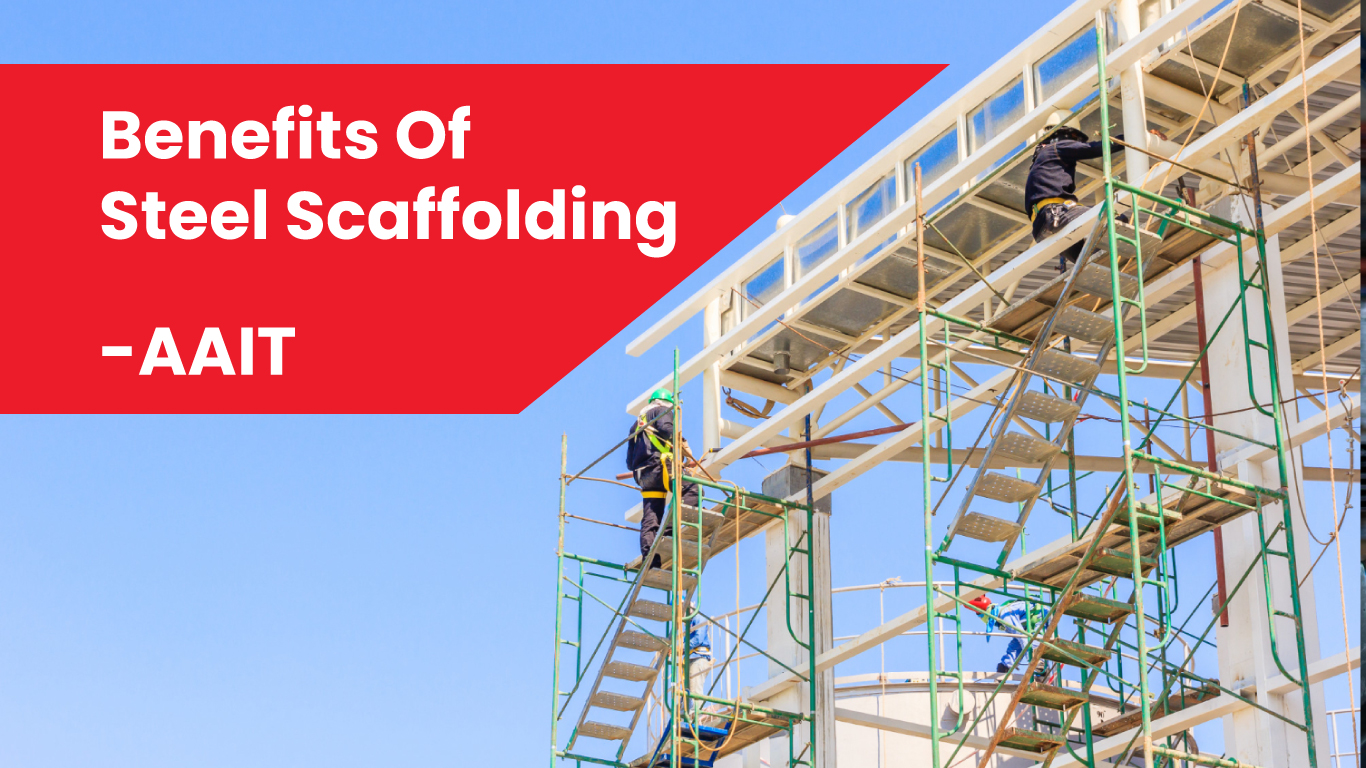
Posted by iDigitalise on | Comments Off on Benefits of Steel Scaffolding
What is Steel Scaffolding
Safety, as well as efficiency, is at the forefront of the construction world. One of the most vital systems that promote safety and efficiency is scaffolding. While there are numerous different systems to select from today, steel scaffolding has become the preferred system due to its strength, safety, and versatility. Steel scaffolding is recognized as a stable and durable system and is predominantly found on large-scale construction job sites, particularly high-rise developments and complex building projects.
Benefits of Steel Scaffolding
Steel scaffolding has a high load capacity of up to 800 KN
The greatest advantage of steel scaffolding is its load-bearing strength, as it can safely handle weights ranging up to 800 kilonewtons. This ability to handle significant loads means that steel scaffolding can accommodate several pieces of heavy equipment, building materials, and large groups of workers. This kind of performance is ideal for demanding projects where safety and stability cannot be compromised.
Durable with up to 50 years of an extended lifespan
Steel scaffolding is built to last, and if it is cared for, it can last for decades. With responsible use, it can be used safely for upwards of 50 years. This makes it a logical long-term investment for construction firms and contractors that often need scaffolding systems.
Cheaper than aluminum scaffolding
While aluminum scaffolding is lighter, steel scaffolding wins when it comes to affordability. It is more budget-friendly in terms of material costs, especially for larger-scale or permanent construction projects where a higher volume of scaffolding is required.
Prefabricated Sizes and Lengths
General steel scaffolding components are manufactured to prefabricated standards. Assembly time is quicker and more predictable when we use prefabricated sizes, reducing the amount of cutting and adjusting on-site, which also saves time and labor.
Easy Erection and Dismantling
While the components are surprisingly robust, steel scaffolding is intended to be assembled and disassembled quickly. The components can be easily connected and do not require heavy machinery or heavy lifting to set them up. This completely minimizes setup time and allows the project to progress faster.
48.3 mm Standard Diameters
Most steel scaffolding systems are constructed using tubes that are manufactured to a standard 48.3 mm diameter. This ensures that all parts and accessories can be used interchangeably when a work crew arrives on site. If everyone adheres to this standard, erecting the system will not incur any costs, as the likelihood of incorrect fittings on-site is minimal.
Complete Standards, Regulations, Assembly Guides
Steel scaffolding is backed by a wide range of industry standards and safety guidelines. These incorporate load ratings, material specifications, and assemblages, making sure that every setting is categorized with thoughtful safety conditions and adhered to requirements.
Steel Scaffolding Has a Wide Application
Steel scaffolding can be used for too many jobs, from residential housing to bridges to industrial sites. Its versatility makes it the embodiment of construction adaptability. Steel scaffolding can be used to get jobs done, like painting, bricklaying, or completing exterior cladding.
Steel Scaffolding Has Designed Safety Protection Elements
Steel scaffolding constructed with guardrails, base plates, and toe boards. It is designed to prevent falls, slips, and structural collapses, becoming an essential protective measure designed to protect the workers and the public.
Steel scaffolding is non-combustible
Unlike wood or some of the plastic-based systems, the advantage of steel is that steel does not burn. Steel can add another layer of safety to protection in situations where fire is a concern from welding or other hot work.
Easy for Access
Scaffolding should not be about support alone but should also include accessibility. Steel is constructed to offer easy access to reach heights safely for the worker’s use. The platforms will be stable and the handrails will allow for easy movement as well as safety.
Great For High-Rise Construction
When it comes to tall buildings and skyscrapers, steel scaffolding stands out. Its load-bearing strength, stability, and wind resistance make it a go-to choice for vertical projects. Even at great heights, it offers a secure working platform.
Height Adjustable
Height flexibility is essential in dynamic construction zones. Steel scaffolding systems are modular and height adjustable, allowing them to be tailored to specific project requirements as the work progresses upward.
Steel Scaffolding Suit For Large Construction Projects
Large-scale projects often require equipment that is tough, scalable, and reliable. Steel scaffolding meets all these criteria. It can support massive structures and complex designs with ease, making it a preferred solution for commercial developments.
Environmentally Friendly
While steel production does use energy, steel scaffolding is highly reusable and recyclable. Many contractors reuse the same scaffolding for multiple projects, and at the end of its lifespan, the metal can be recycled, reducing environmental impact.
Disadvantages of Steel Scaffolding
Like any material, steel scaffolding does have its downsides. One of the main concerns is weight. Steel is heavier than aluminum or timber, which can make transportation and manual handling a bit more challenging. It may also be prone to rusting if not properly maintained, especially in humid or coastal environments. Regular inspection and protective coatings like galvanization can help manage this issue. Lastly, while it’s cost-effective in the long run, the initial investment may be higher compared to simpler scaffolding types.
What are the Different Types of Steel Scaffolding in Construction?
Construction sites may use various steel scaffolding types depending on the nature of the project. Common styles include:
Tube and coupler scaffolding: Offers high flexibility and can be built to custom shapes.
System scaffolding (modular): Pre-engineered systems with easy locking features.
Cantilever scaffolding: Used when the ground is unsuitable for base support.
Suspended scaffolding: Hangs from rooftops and is ideal for window cleaning or façade painting.
Each type is designed to meet specific project demands and site constraints.
What are the Different Types of Steel Scaffolding Material?
Modular Steel Scaffolding
This type comes with pre-engineered connections and is perfect for quick assembly. It is widely used in high-rise and industrial construction for its structural efficiency.
Steel Tube and Clamps
An older but reliable method where steel tubes are connected using adjustable clamps. It’s versatile and can be used in almost any shape or layout.
Adjustable Props
These are vertical steel props used for shoring and supporting formwork. They can be adjusted in height and are often used in building interiors.
Frame Scaffolding
Frame scaffolding is a common system where the structure is made from welded steel frames. It is easy to set up and often used for simpler projects and maintenance work.
Steel boards and Steel Stairs
Steel plank platforms provide safe and slip-resistant walking surfaces. Steel stair stringers offer solid access between levels, especially in taller scaffold systems.
Steel Scaffolding Grades
Steel scaffolding materials are available in various grades depending on strength and durability. Common grades include mild steel, carbon steel, and high-tensile steel. The choice of grade affects the scaffold’s ability to withstand loads, environmental factors, and corrosion resistance. Contractors select scaffolding grades based on engineering requirements and site conditions.
Steel Scaffolding Sizes
Standard sizing ensures compatibility and safety. Vertical and horizontal tubes generally come in 48.3mm diameter, while the length can vary from 0.5 to 6 meters. Different configurations can be created by combining multiple sizes.
Steel Plank Sizes
Steel planks used for working platforms are available in widths of around 225mm and lengths ranging from 1 to 3 meters. These planks often have perforations for grip and drainage.
Steel Scaffold Parts & Components Plus The Function
A typical steel scaffolding setup includes the following components:
Standards: Vertical tubes that carry the load to the ground
Ledgers: Horizontal supports that connect standards
Transoms: Cross pieces to support planks and bear weight
Base plates: Spread the load at the bottom
Couplers: Join tubes together
Guardrails and toe boards: Improve safety on platforms
Stair stringers and ladders: Help with vertical movement Each part has a role in ensuring structural balance and worker safety.
What are the alternatives to steel scaffolding?
Steel Scaffolding vs. Timber Scaffolding
Timber scaffolding is often cheaper and lighter but lacks the strength and longevity of steel. It is more prone to weather damage and requires more frequent replacement.
Steel Scaffolding vs. Aluminum Scaffolding
Aluminum scaffolding is lighter and easier to carry but cannot support as much weight. Steel Scaffolding is stronger, more stable, and better suited for long-term or heavy-duty projects.
Steel Scaffolding Lifespan
With good care, steel scaffolding can last for up to 50 years. Regular inspection, proper storage, and rust prevention methods like galvanizing help extend its lifespan. The reusable nature of steel makes it both economical and sustainable over the long term.
Steel Scaffolding Erection Steps
Setting up steel scaffolding involves the following steps:
Prepare the ground with base plates and sole boards
Install vertical standards and secure them
Add ledgers and transoms for structural framework
Fix platforms using steel planks
Attach guardrails and toe boards for safety
Add access points such as ladders or steel stair stringers
Inspect the entire structure for stability and safety compliance
Proper training and safety gear are essential throughout the process.
Conclusion
Steel scaffolding is a trusted system in the construction industry, known for its strength, longevity, and versatility. With the right materials and proper handling, it provides a safe and efficient way to work at height. Whether it’s a residential build or a massive commercial project, steel scaffolding proves to be a smart investment for contractors aiming for quality, safety, and cost-effectiveness.



 Download