Posted by iDigitalise on | Comments Off on Types of Stair Treads – AAIT Scaffold
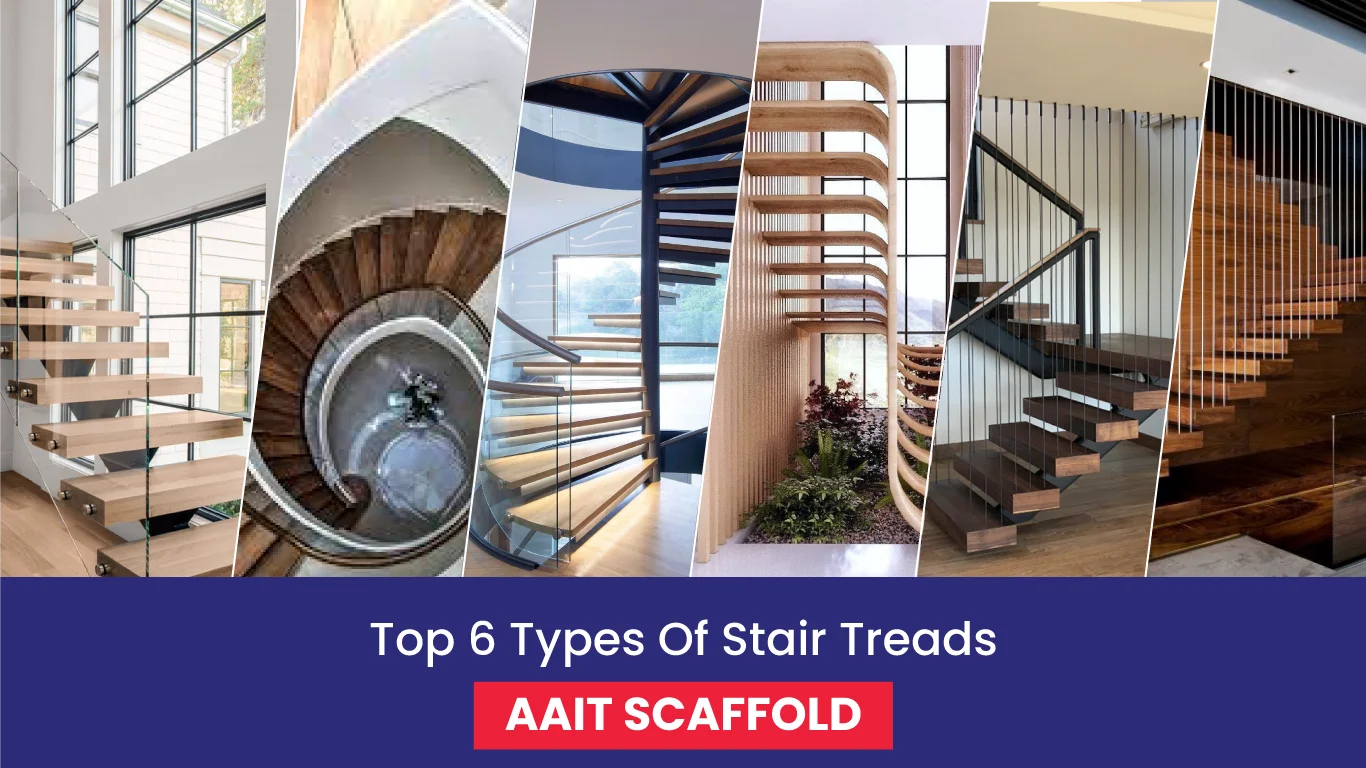
In today’s world, treads are the elements of staircases and have a unique design. While these offer safety, they also capture the attention of people around the house. Moreover, these are nothing but horizontal surfaces that people step on while climbing up or down. Even when the stair treads are made from different materials, they are known for their unique features and overall design. But if you’re unsure about which stair treads you should install, then this article is just for you. The article will eventually help you make the right choice among the types of stair treads.
What should you know before selecting stair treads?
When you renovate your house, design the staircase with the style in mind. Once you know the stairs you desire, look for suitable treads. While there are myriad tread styles available on the market, you must choose something that lasts long. Ensure that your needs are met, whether you want a conventional or modern home. Let’s check out the various options you can consider for your house.
What are the types of Stair Treads?
There are many stair treads designed for your house.
1. Wood Treads
When you’re selecting a wood tread, you have to consider many factors. Firstly, the wood should be quite hard and dense to withstand the weight of feet. You will also have to consider the grain patterns when you’re concerned about their appearance. While some woods, like oak, have prominent grain patterns, others, like maple, are uniform. Besides, you need to ensure that the finish offers adequate grip and prevents the likelihood of slipping. But, before you decide on the treads, make sure that they are affordable. Climatic conditions will also have to be taken into account because moisture and temperature can impact the wood’s strength.
2. Glass Treads
Glass treads can always enhance the modern look while light passes through the surfaces. But, before choosing this type of tread, observe the thickness of the glass to ensure durability and strength. These treads should also be treated with non-slip coatings to prevent slipping. You must also ensure that the glass tread is designed to sustain the intended weight. Besides, you must prefer buying tempered glass treads that are scratch resistant. LED lights alongside the glass steps can also enhance the appearance. To ensure maximum stability, the treads should have a sturdy and metallic support structure.
3. Tile Treads
Tile treads have always been an alternative to the ones made from wood. While these are available in different materials, like natural stone or porcelain, you should check for durability and aesthetic appeal. If the areas become moist quite often, then you should buy textured tiles that are slip-resistant. Alternatively, you can also think about setting up treads with a matte finish. Ultimately, you should select treads that are easier to maintain and clean. But, before you set up these kinds of treads, seek out some sample tiles to observe how they appear in the desired space and under light. To complement your home decor ideas, you can also consider mosaic or hexagonal tiles.
4. Composite Treads
Among the types of stair treads, composite treads are made by blending wood fibers with plastic. But, whether you wish to set them up outdoors or within your house, the material should be resistant to moisture and insects. You should prefer setting up treads with a textured surface that doesn’t become slippery. The tread’s surface should also not fade or get ruined due to scratches and stains.Once you buy these, ensure that they are compatible with supports around the staircase. You may need to use some techniques to shape the treads and install them properly.
5. Stone Treads
Stone treads are commonly used for stairs set up outdoors. While these enhance the beauty of the stairs, they look great with the landscape in the background. But, before you make a purchase, you must consider treads with a non-slippery finish. This will mitigate the likelihood of slipping, especially when the climate is very damp or humid. Moreover, consider using stone treads that can be easily cleaned with a solution of mild soap and water. You should also think about thick treads as scaffolding technology improves the overall quality. For more options, you can also consult a contractor and check out which treads suit your preferences.
6. Steel Treads
While considering steel staircase treads, they look good with open-beam architecture. You can also consider these in case you are looking forward to setting up a spiral staircase. If you are specifically looking for treads for indoor applications, then think about treads made from stainless steel. These don’t get worn easily, even when the environment doesn’t have adequate ventilation. On the other hand, treads with a matte surface will always look good when they’re subjected to numerous scratches. But, as these can be quite expensive, you should explore options that fall within your budget.
Sum Up
Finally, you should prefer using steel treads when you’re concerned about strength and durability. Once you get in touch with AAIT Scaffold, the team will offer different types of stair treads with maximum friction, even when you’re hastily ascending or descending the stairs. These treads are sure to last for a long time because they are made from supreme-quality steel. Once you buy the treads, you can install and maintain them with ease. With a non-slippery surface, these are quite safe even after frequent use of the stairs.
Posted by iDigitalise on | Comments Off on Innovative Scaffolding Solutions for Complex Architectural Designs
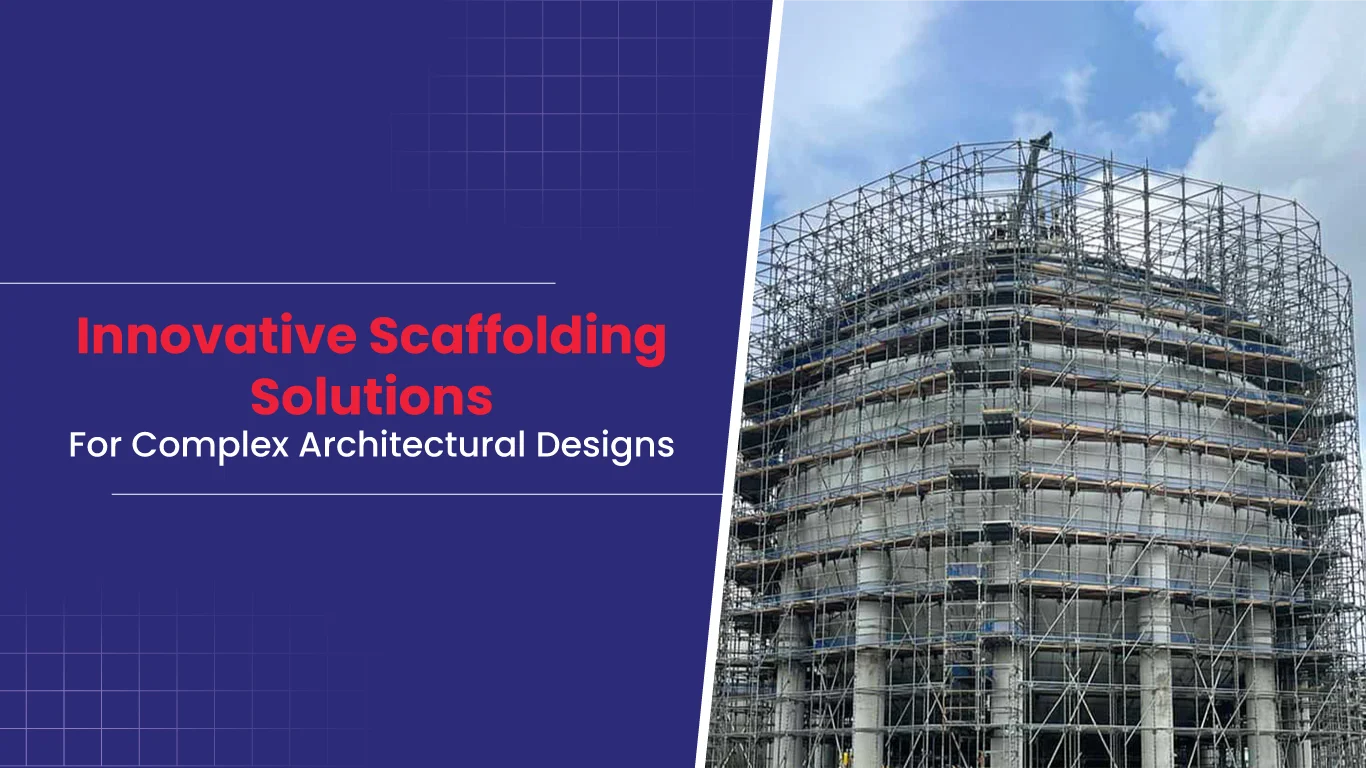
When companies have to deal with complex architectural designs, innovative scaffolding solutions are essential. Such solutions have now enhanced access to hard-to-reach areas and improved maneuverability around the architectural elements. With these solutions taken into consideration, companies can ensure compliance with safety regulations and minimize construction time. So, in this article, we shall cover more about scaffolding innovations and some technologies.
Scaffolding innovations
Over time, advancements in scaffolding technologies have contributed to increased safety. Here are some innovative solutions you can consider for your projects.
Eco-Friendly Modular Scaffolding With sustainability in mind, modular scaffolding is built from recycled and lightweight materials. Such a structure utilizes less energy due to the use of solar panels. As they are constructed in sync with urban ecosystems, they offer spaces for plants.
Anti-Gravity Floating Scaffolding A floating scaffolding system is yet another scaffolding innovation that is becoming popular in the industry. Based on anti-gravity technology, these structures hover, with ease, high above the ground. Once the structure is built, workers can move around the structure without worrying about safety.
Birdcage Scaffolding Such scaffolding is used, especially when the construction project is across a large area. The overall structure is also ideal when workers have to access multiple levels for smooth execution of the construction project. When you observe the entire structure, you will also come across smart monitoring systems. These not only enhance efficiency but also increase safety.
Flying Shore Scaffolding Known as flying shores, these scaffolding structures offer lateral support to walls or other structures. Even when the structures have vertical shores, workers might think about diagonal bracing with this kind of scaffolding innovation. As the system can be adjusted easily, it allows for accurate alignment and positioning. But, unlike other structures, these are erected in stages as and when the construction project moves ahead.
Cantilever Scaffolding When you observe cantilever scaffolding, it has robust and sturdy elements compared to traditional scaffolding. Workers can also be safe while carrying out tasks owing to the anchoring systems. These structures are also known for their versatility when people perform tasks at a certain height.
Apart from the ones stated above, suspension scaffolding is used when workers can’t set up traditional scaffolding. As the name implies, this scaffolding innovation refers to a suspension from an overhead structure or the roof. Adjustable scaffolding, on the other hand, enables workers to adjust the height to gain access at different levels.
What is the new technology for scaffolding?
In recent years, scaffolding technology has emerged to improve safety and enhance efficiency in construction.
3D Printing By leveraging 3D printing technology, manufacturers can create custom scaffolding components with different designs. This can not only improve overall efficiency during production but also drive customization of various components.
Augmented Reality (AR) and Virtual Reality (VR) Many manufacturers these days embrace AR and VR technologies during the design phases. With these technologies, workers can see the scaffold structures as they are being designed. Simulations presented through these technologies also give an idea of the assembly processes.
Smart Scaffolding Systems These systems monitor many parameters through the use of sensors and IoT devices.Whenever the workers are able to gauge stability and load, the parameters can ensure safety and optimize the maintenance schedules.
Advanced Safety Features Various safety features, like anti-slip surfaces and improved access points, can keep the workers safe. The safety of the workers can also be enhanced with scaffolding technology that detects unexpected falls. Moreover, certain response mechanisms are useful in case of emergencies.
Lightweight Materials With advancements in material science, scaffolding components are developed using composite and lightweight materials. These are corrosion-resistant and reduce the weight of the scaffolding structure. The structure also becomes quite durable, even when it’s used repetitively.
What is the latest standard for scaffolding?
When manufacturers design scaffolding components, the entire structure should be capable of supporting a load four times more than the intended load. But when workers execute the construction project, they should ensure that they don’t exceed the maximum capacity. This is one of the standards set by the Occupational Safety and Health Administration (OSHA).
As far as the guardrails are concerned, these are essential when individuals are working at heights more than 10 feet. Guardrails also have to be installed anywhere between 38 and 45 inches high. Workers also need to place the midrails at about half the overall height. Besides, cross-bracing should be sufficient to reach anywhere between 38 and 45 inches. Contractors should also make sure that the top rails are sturdy enough to sustain the weight of workers.
While setting up the scaffolding structures, planking shouldn’t sway more than 1/60 of the length. To ensure maximum safety, these planks should be made from solid wood. In addition, people shouldn’t overload the platform and extend the time spent working high above the scaffolding base. Ultimately, individuals mustn’t use restraints when the height-to-base ratio is more than 4:1.
Conclusion
Finally, you have to consider many factors while choosing an innovative scaffolding system. As safety is paramount for every construction project, you should look for scaffolding systems that have guardrails and stability-enhancing mechanisms. You should also select components that are easier to assemble and dismantle. The overall structure should also be designed for adaptability as well. Scaffolds must also conform to certain standards to sustain the weight of workers whenever they are working.
As a leading organization that supplies scaffolds, AAIT Scaffold is proud to provide high-quality equipment worldwide and to companies across the US. With efficient logistics, our team also ensures that they receive delivery way before the construction project is about to commence. Every scaffolding component Technocraft manufactures is known for durability as it is made from high-quality steel. We also assure quality, as every component undergoes testing to meet OSHA standards.
Posted by iDigitalise on | Comments Off on What is Kwikstage Scaffold and Its Benefits?
When you’re executing a construction project, a robust scaffold system is always essential. These offer a safe working platform and reduce the risk of unexpected accidents. They provide support for workers when they are busy with their tasks. Moreover, the scaffold system also drives the workflow by provisioning access to different areas. Overall, the scaffold system ensures the safety and success of construction projects. With scaffolding set up at suitable locations, workers can work more efficiently, which enhances productivity. In this article, we will cover more about Kwikstage scaffolds and how they can be beneficial at construction sites.
What is Kwikstage Scaffold?
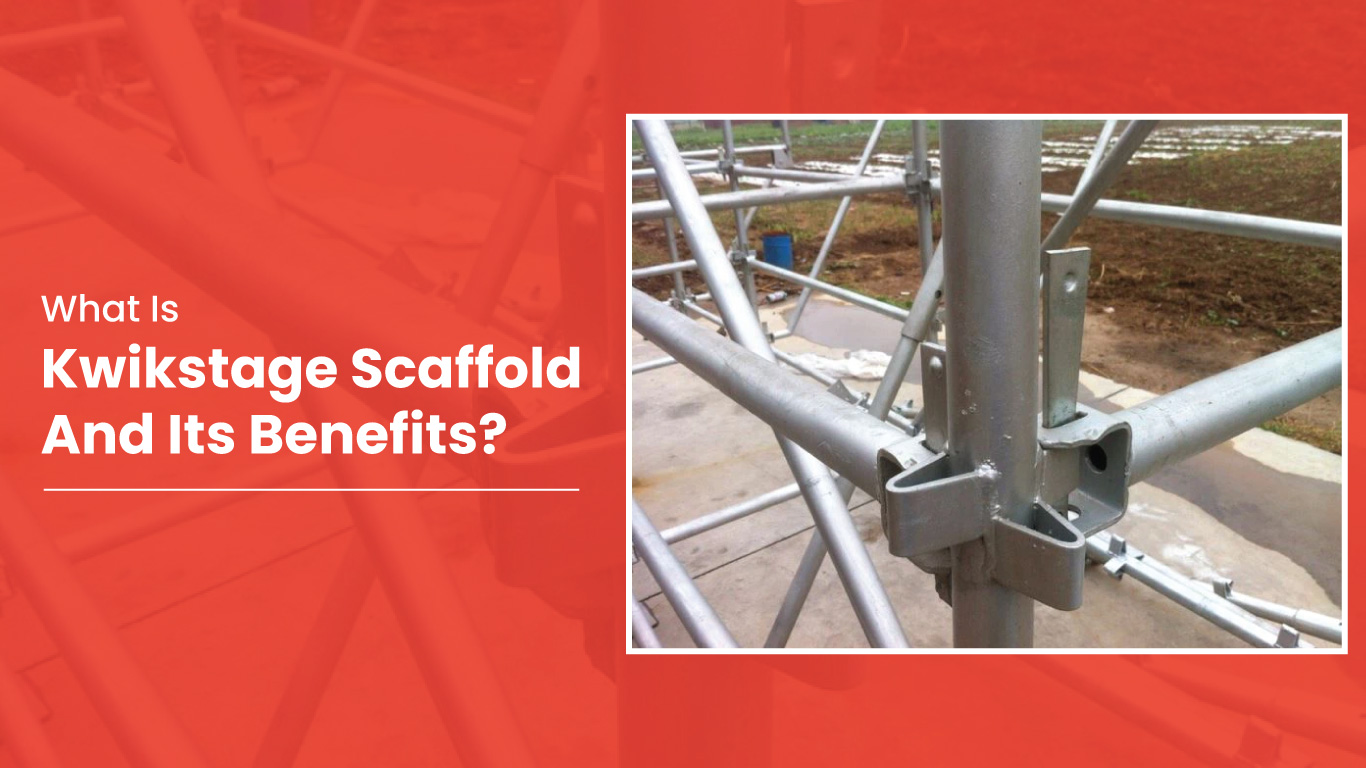
Kwikstage Scaffold is a modular scaffolding system used in construction projects.Most often, such a scaffolding structure is set up for intricate building front ends.These are ideal when usual scaffolding is unavailable. Kwikstage scaffolding includes horizontal tubes, steel boards, bracing, and vertical posts.
As such scaffolds come under modular scaffolding, they can be assembled without using special tools. Moreover, the workers can alter its shape depending on the building. Adaptability to different configurations also makes these ideal for a vast range of construction projects. Workers can use the scaffolding system for large scale structures and small-scale projects. Once the scaffolding system is erected, it offers stability even when workers have to work at a certain height from ground level.
What material is Kwikstage?
Kwikstage scaffold is basically made of high-quality steel. Manufacturers choose steel because the metal is resistant to corrosion, durable in nature, and known for strength. These properties make them ideal for construction projects where safety is the main concern. However, you may also come across such types of scaffolding systems made from Aluminum. As far as the Kwikstage scaffolding components are concerned, these are also manufactured from high-quality steel to ensure reliability. In addition, the platforms or steel boards that workers use often provide a sturdy and robust surface when workers are involved in different construction tasks.
What are the benefits of Kwikstage Scaffold?
Many reasons make Kwikstage Scaffold suitable for various building tasks. Here are some of the benefits of setting up the Kwikstage scaffold.
Versatility Such modular scaffolding systems are extremely adaptable and can be molded to suit different construction projects. The modular design offers flexibility in assembly, and hence it’s suitable for a vast range of applications.
Easy to Assemble As soon as workers start using the scaffold, it can be assembled quickly and with ease. Workers no longer have to use specialized tools for the setup. This reduces time and labor expenses, thereby improving efficiency.
Safety These scaffolds are designed to meet certain safety standards. Therefore, they offer a safe and stable platform even when the tasks have to be performed high above the ground. Due to sturdy guardrails, locking mechanisms, and toe boards, workers are unlikely to meet with sudden accidents.
Stability Designed from high-quality steel, these scaffolds offer a lot of support for workers. This not only ensures stability but also structural integrity at the construction site. Even after regular use of the scaffolds, the structure doesn’t collapse due to the weight of the workers.
Durability Such scaffolds are known to stay intact for a long time. The different parts are made from steel that is resistant to corrosion. Moreover, the modular scaffolding system doesn’t get affected by inclement climatic conditions.
Adaptability This scaffold can be easily adjusted and modified to accommodate changes in the construction project, such as alterations in height or configuration. This makes it a versatile solution for evolving construction needs.
Cost-Effectiveness As compared to usual scaffolding systems, the investment costs for such scaffolds might be high. However, these scaffolds help to save costs in the long run due to their reusability and durability. Compliance with standards Whenever such scaffolds are designed, they surpass safety standards and regulations. Hence, workers and contractors don’t have to worry about anything when they carry out numerous construction tasks.
Finally, you should consider many factors before choosing Kwikstage scaffolds. Initially, you have to evaluate the scope of the construction project to determine its configuration. You should also ensure that the scaffolding system can sustain anticipated loads. Before considering the scaffold system, you also have to contact a reputable supplier who is ready to offer after-sales support. Compliance with safety standards is also one of the factors you must consider.
About AAIT Scaffold
Since inception, AAIT scaffold has always been a leading supplier of scaffolding accessories and equipment. While we cater to diverse construction needs, we ensure safety and reliability at the construction site. When you purchase from us, you will not just be buying equipment. Instead, you will be making an investment with an assurance of successful project execution.
Posted by iDigitalise on | Comments Off on Difference Between Modular & Tubular Scaffolding
Introduction
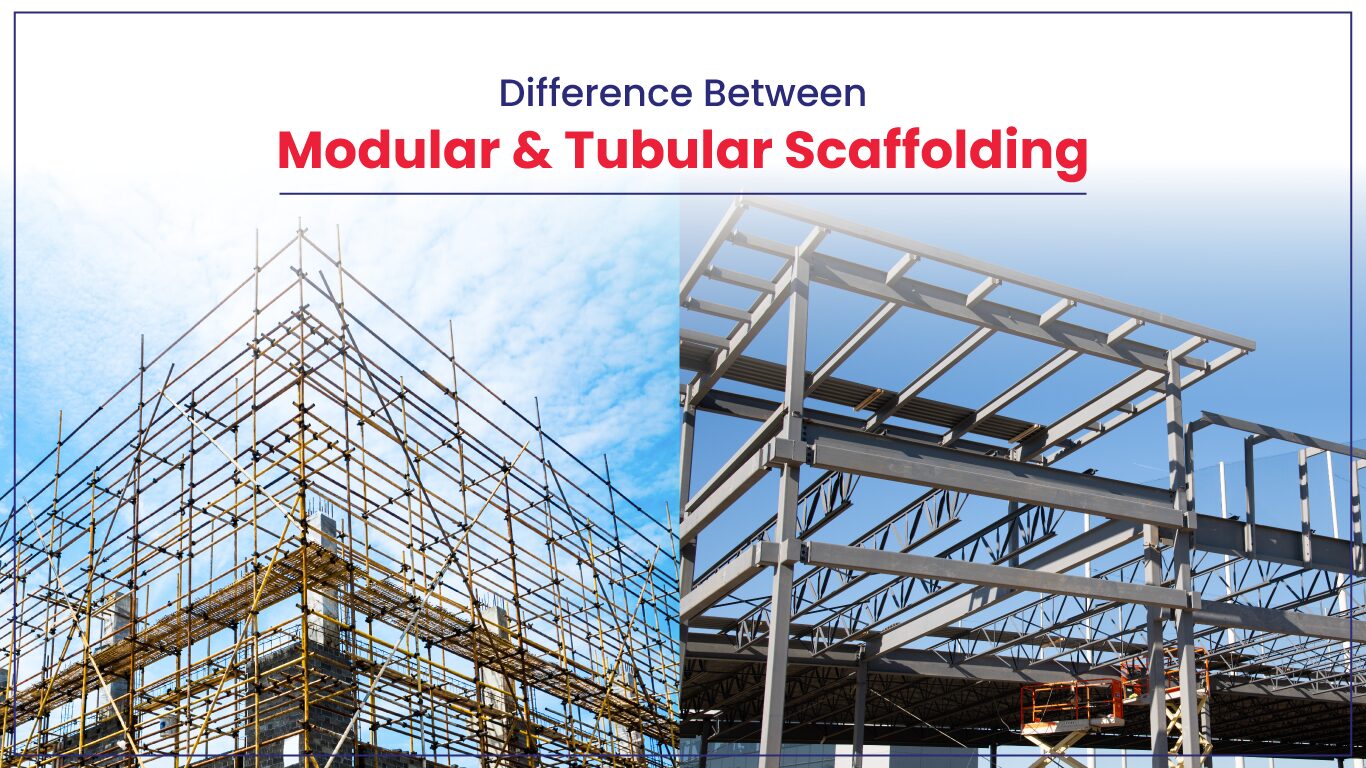
Tubular scaffolding takes time and effort to set up, but it’s very versatile. You can connect the horizontal tubes to the vertical ones at almost any point, as long as you follow safety rules. Right-angle clamps hold the horizontal tubes to the vertical ones, and swivel clamps attach the diagonal tubes, making the system very durable.
Even though it’s not as popular as it used to be, tubular scaffolding is still commonly used in refineries, petrochemical plants, and power plants. It’s a flexible system that can fit almost any complex structure. While it does require more time and energy to set up, it provides the sturdy platform that many projects need.
Tubular scaffolding is perfect for projects that need to support heavy loads.
What is Tubular Scaffolding?
Scaffolding made of tubes is great for building jobs. It’s tough and useful in many ways. It is made of steel tubes that are joined together with couplers to make a strong structure that workers can use.
Tubular scaffolding, also called traditional scaffolding, tube and clamp scaffolding, tube and fitting scaffolding, or tube and coupler scaffolding, is made by connecting tubes with clamps and couplers.
You can trust that tubular supports will last a long time. The steel tubes are strong and can handle heavy loads and bad weather. Tube-shaped scaffolding is cost-effective because it can be used again and again for many jobs.
Components of Tubular Scaffolding
Tubular scaffolding is very simple to set up because it only uses four basic components:
Standards (Vertical Tubes): These are the main support tubes that run from the ground to the top.
Ledgers (Horizontal Tubes): These horizontal tubes connect the standards, providing side support and keeping the scaffolding level.
Base Plates: These plates are placed under the standards to distribute the weight and ensure stability.
Bracing: Angled tubes that prevent the structure from shifting or collapsing, making the scaffolding safer for workers.
Couplers: Fittings that connect the tubes together.
Platform: A work surface made of metal or wood, supported by transoms.
Tubular support is great because it can be used in a lot of different ways. That’s because you can change its height and form to fit your project. Tubular scaffolding is a reliable choice that can be changed to fit any job, whether you are working on a house or a big office building.
This flexibility helps construction work go smoothly and efficiently.
Difference Between Tubular & Modular Scaffolding
Modular Scaffolds
It’s a modern type of scaffolding.
It’s assembled using prefabricated accessories.
It uses the tube coupling method, making it easier to assemble.
Tubular Scaffolding
This kind of structure is common these days.
The frame is put together with tubes.
Setting up takes time.
Construction teams can spend more time working on the job and less time setting up when they use tubular scaffolding. This makes them more productive overall.
Couplers and clamps connect tubular scaffolding. Fixed joining points connect modular scaffolding, making modular scaffolding safer. In places like Israel, using modular scaffolding is required.
When choosing scaffolding, consider the job length and your budget. But safety is the most important factor.
AAIT Scaffold
Hey there! Welcome to AAIT Scaffold! We’re dedicated to providing top-notch scaffolding solutions, whether you need tubular or modular systems. No matter the size of your construction project, we’ve got you covered.
Our scaffolding stands out because it is:
Strong: Built to handle the toughest jobs and ensure stability.
Safe: Designed with safety as a top priority to protect your team.
Easy to Use: Simple to set up and adaptable to your specific needs.
We support projects of all sizes, from small jobs to major construction endeavors. If you’re unsure about which scaffolding system to choose, don’t worry! Our team of experts is here to help you pick the best option for your needs.
At AAIT Scaffold, we prioritize safety and getting the job done right. Our strong, high-quality scaffolding ensures your work proceeds smoothly and securely. Our reliable scaffolding solutions support your project needs, giving you peace of mind and enhancing productivity on site.
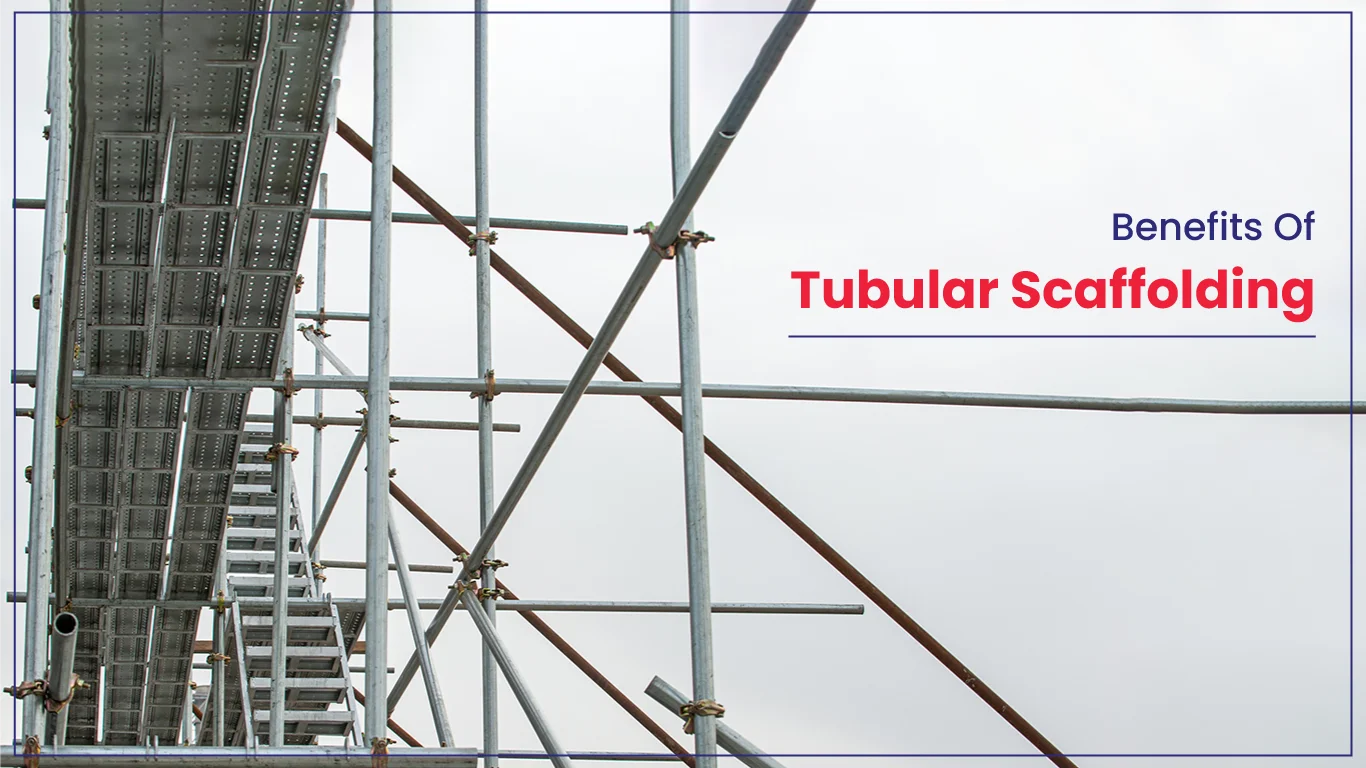
Posted by iDigitalise on | Comments Off on Benefits of Tubular Scaffolding
Introduction
Scaffolding is like the hero that no one sees on building sites. The strong framework holds up workers and materials as they climb to new heights to build, fix, or renovate buildings. The tubular scaffolding system is one of the best types of scaffolding because it has so many benefits. We’ll talk about why tube scaffolding is a popular choice in the building business in this blog.
Benefits
Durability: Tubular steel scaffolding is made with tough steel tubes that are strong and treated to resist rust and damage. This makes the scaffold durable even on busy construction sites with harsh weather and heavy loads.
The great thing about these steel tubes is that they can be assembled into different types of scaffolds for all kinds of buildings—homes, shops, factories, and more. Since the tubular scaffolding system lasts a long time, construction companies save time and money on repairs and replacements. It makes everything easier and smoother on construction sites.
Versatility:
The tubular scaffolding system is great for all kinds of construction work. Whether you’re building something new or fixing something old, it’s just what you need. The best part? You can adjust it to fit each project perfectly. Construction companies love it because it saves money and gets the job done right.
You’ll see tubular scaffolding a lot on big sites like skyscrapers. It keeps workers safe while they work high up. It’s also perfect for building bridges and tunnels, giving workers a strong platform to work from.
Ease of Use:
Tubular scaffolding is easy to put up and take down. Workers can do this without much trouble, even on sites with odd shapes or curves.
This system is great for tough jobs because it’s simple to use. It lets workers move safely around a structure. If they need to make changes, they can do it easily, which is helpful for big, complex projects.
Tubular scaffolding is light and portable. A small team can handle it, making it ideal for tight spaces and large areas.
Improved Efficiency:
Using tubular scaffolding can help construction projects run more smoothly. It allows personnel and their equipment to get up high and reach areas that would otherwise be difficult to access. This means they can accomplish more in less time. Tubular scaffolding system is also capable of supporting high loads such as building supplies and tools. Workers can move objects around more easily, increasing productivity.
Improved Safety:
The tubular steel scaffolding is designed to be extremely safe and sturdy, especially for personnel up high. Guardrails and toe boards have been erected to increase safety. These provide workers with additional protection while at work. Tubular scaffolding system can sometimes be fitted with sound-absorbing sheets to reduce noise. This is especially useful in congested urban areas where construction noise can be disruptive. These sheets are made of a durable substance that absorbs sound. When they are installed on scaffolding, they reduce noise on the work site. This makes it less disruptive to adjacent residents and businesses. Furthermore, it improves worker safety and comfort.
Conclusion
The tubular scaffolding system is like a hero on construction sites. It keeps workers safe by providing a strong and stable platform to work on. Its sturdy design prevents accidents, making it a reliable choice for any construction project. It sets up quickly and can be adjusted to fit any job, no matter the size or complexity, which means less downtime and more productivity. The durable metal tubes are built to last, offering solid support throughout the project, even in bad weather. When you see those metal tubes on a construction site, you can be sure they make everything safer and easier for everyone.
The tubular scaffolding system is also very versatile. It can be set up in different ways to handle various tasks, whether it’s for building maintenance, repairs, or new construction. Its adaptability makes it a top choice for many contractors. Plus, it’s easy to put together and take apart, so it can be moved and reused on different sites, providing cost-effective and efficient solutions for ongoing projects.
In short, tubular scaffolding not only enhances safety and efficiency but also boosts the overall workflow on construction sites. It combines strength, flexibility, and durability to support workers and projects alike.
AAIT Scaffold
Tubular steel scaffolding is super important for construction work in the USA.
Our scaffolding accessories are tough, flexible, and easy to use, making it a top pick for construction companies. Using tubular scaffolding from AAIT Scaffolding can make your project safer and smoother.
Our team knows scaffolding well. Whether it’s a small job or a big project, we’re ready to help. We’re all about providing top-notch scaffolding that stands out.
Try AAIT Scaffolding and see the difference. Just email us with pictures and plans of your site, and we’ll get back to you.
What makes our scaffolding special? Our commitment to quality and safety. Our products meet all necessary standards and regulations, keeping your workers safe. Plus, our scaffolding is easy to set up and take down, saving you time and effort.
We also offer a range of accessories for your specific project needs. From adjustable bases to sturdy guardrails, we have everything you need for a safe and efficient work environment. Our scaffolding is durable and adaptable, fitting any construction task.
At AAIT Scaffolding, we pride ourselves on great customer service. Our experienced team is ready to help with any questions or concerns. We work closely with you to make sure you get the right scaffolding solution for your project.
Don’t settle for less when it comes to safety and efficiency. Choose AAIT Scaffolding for reliable, high-quality scaffolding you can trust. Contact us today to learn more about our products and services. We look forward to helping you achieve a successful and safe construction project.
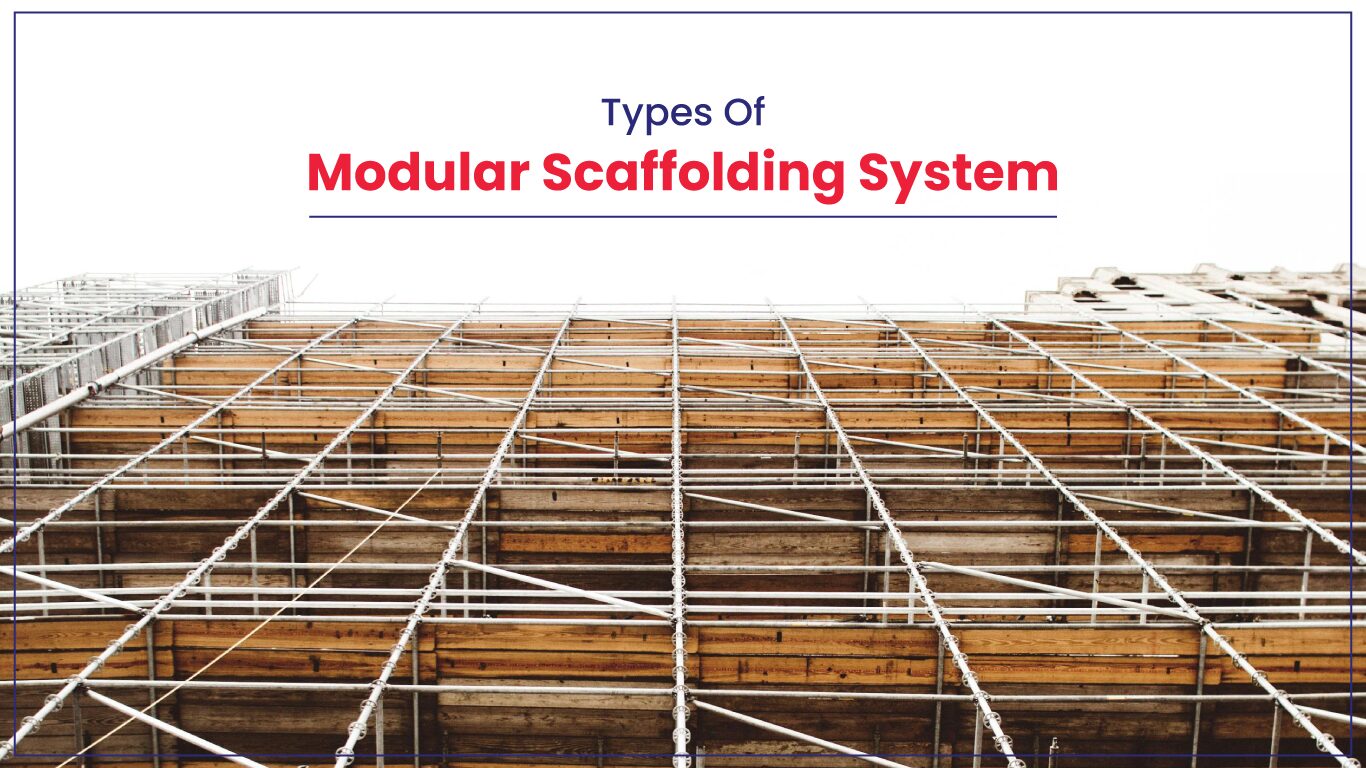
Posted by iDigitalise on | Comments Off on Types of Modular Scaffolding Systems – Ringlock & Cuplock
Types of Modular Scaffolding System
Modular or system scaffolding is different from traditional tube and coupler scaffolding because it is made up of prefabricated modular parts that are put together at fixed connection places. Because of this, they can be used for more than just building and remodeling. They can also be used in refineries, chemical plants, shipyards, mines, and offshore sites. Ringlock scaffolding, Cuplock scaffolding, and Kwikstage scaffolding are some of the most popular types of modular scaffolds. Standardized scaffold bays and pre-defined connection points make them all the same. These make putting up and taking down the scaffolding faster and easier in general. Here is a quick list of the important things that make each type of scaffolding different.
What is a Modular Scaffold?
A modular scaffold is a type of scaffolding structure that is made up of standard parts like frames, braces, and connections. It is also called modular scaffolding or system scaffolding. There are vertical, horizontal, and lateral posts and tubes in this scaffold system. Fixed connection points are spaced out along the vertical posts to make it easy to join tubes that are wide or narrow. Modular platforms are easier to set up and move around than other types of scaffolding, like tubular scaffolding systems. This is possible because they have latches that make it easy to stack them on top of each other.
Types of Modular Scaffolding Systems
Modular Scaffolding from Ringlock Ringlock scaffolding system, sometimes called rosette scaffolding, is a type of scaffolding made up of vertical standards with ring-shaped node points spaced out at regular intervals. This makes it easy to put together and take apart. You can hook ledgers and transoms into each connector’s 8 cut holes and then use a hammer to keep them in place. Cuplock adaptable decks Cuplock scaffolding system is a type of scaffolding that is mostly used in Asia. Cups are what give the lock its name. They are used to connect the ledgers and transoms. There are two cups in each node point: one that stays in place and one that moves. Together, they can hold four ledgers and transoms. The ledgers or transoms’ T-shaped hooks are first hooked into the lower cup. Then, the upper mobile cup is pushed onto the upper hook of the ledger or transom and hand-tightened at first. Finally, three or four well-placed hammer hits are used to fix the joint.
Kwikstage stackable scaffolds
This type of modular scaffolding, which is sometimes called Quick Stage scaffolding, works great for light to medium-duty jobs. This type of modular scaffolding stands out due to the pre-made triangular presses affixed to the scaffold standards. You can connect up to four ledgers to these at the same time.
What Kinds of Projects Could Benefit from a Modular Scaffolding system?
A modular scaffold system can be used for many different types of projects in many different businesses because it is flexible and easy to change. Projects for Building
In construction projects, modular scaffolds are often used for painting, plastering, building maintenance, repairs, and other jobs that need a temporary elevated work platform. Because this type of scaffolding is adaptable, it is efficient and cost-effective, and it keeps workers safe and stable in a variety of settings.
Remodeling and Tearing Down
Access tools like modular scaffolding systems are often used on projects that involve tearing down, remodeling, or renovating existing buildings. Because workers need to get to different levels and parts of these buildings, modular scaffolds are often used as a work platform that can be set up quickly and easily, even in small areas.
Building and Taking Care of Bridges
Modular scaffolding components are flexible and efficient, which makes them a good choice for big infrastructure projects like building or maintaining bridges, roads, tunnels, and dams. Because bridges need special scaffolding for building, inspecting, and maintaining them, modular scaffolding is often used because it can be set up in different ways to fit the needs of these big building projects.
Building and Fixing Ships
Thanks to its adaptability, ease of assembly, resistance to corrosion, and compliance with Australian standards, modular scaffolding is a flexible way to get to work sites safely and quickly during building, maintenance, and repair. Modular scaffolding components can be set up quickly and in any way that fits the needs of each shipbuilding job, whether it’s for building hulls or doing routine maintenance like painting and welding.
Upkeep for Power Plants
In power plant maintenance, modular scaffolds are useful because they can be used in different ways to make it safe to get to important places. Modular scaffolding is a stable way to work at different heights and in tight spaces. It is used for jobs like maintaining equipment, inspecting boilers and chimneys, and getting to pipes and ductwork. It’s also easy to put together and take apart, so there is little downtime, which is very important when power plants have to shut down for regular maintenance.
The Oil and Gas Business
Modular scaffold is often used for maintenance work on oil rigs, refineries, and other important structures in the oil and gas business. Because it is flexible and easy to put together, it works well for getting to different heights and parts in these complicated industrial settings.
Building for Events and Stages
Modular scaffolding systems can be used for more than just building projects. They can also be used as temporary structures for concerts, events, and stage shows. They can either be used to set up sound equipment, lights, or other things. For temporary buildings, modular scaffolds is easy to put together and take apart.
AAIT Scaffolds for Modular Scaffolds
At AAIT, we can help you with your construction and maintenance jobs by giving you custom scaffolding equipment. We can set up a scaffolding system that is safe, efficient, and meets industry standards for any job, whether it’s building maintenance, renovations, bridge construction, dock construction, or shipbuilding. Contact us right away to find out more about our modular scaffold hire services.
FAQs on Modular Scaffolding
What is modular scaffolding? Modular scaffold is a type of scaffolding that has standard parts. These include braces, connections, and frames. Usually, workers erect a modular scaffold when the space is compact or small.
What is the difference between modular and tubular scaffolding? Tubular scaffold is more dependent on the connecting point coupler. On the other hand, a modular scaffold has the standards connected to fixed points. But, workers will find this type of scaffold quite safer than a tubular scaffold.
What is a scaffolding system? A scaffolding system is a temporary structure which is erected at construction sites. As workers start ascending or descending the structure, they can carry out tasks at different heights.
What are the three 3 types of scaffolding? Suspended scaffold, aerial lifts, and supported scaffold are the most common types of scaffolding. But, before choosing a scaffold, the workers must know the scope of work and the purpose.
What are the different types of system scaffolding? Cuplock scaffolding, ringlock scaffolding, Kwikstage scaffolding, and Modular scaffolding are the types of scaffolds you will observe.
What is ringlock system scaffolding? Ringlock scaffolds are nothing but modular scaffolds. These are ideally used when projects are executed in the construction domain. While the components are made from steel, they include horizontals, braces, and verticals.
What is the load capacity of ringlock scaffolding? The load bearing capacity of the ringlock scaffold is 396 KN for a height as much as 6.3 m. Even when it has three levels, it can sustain enormous weight of the workers.
What is the difference between ringlock and cuplock scaffolding? Cuplock scaffolding has vertical columns that are welded with horizontal bars. This makes the structure stable with strong joints. Conversely, ringlock scaffolds have vertical bars with many rings at different heights. These help to adjust the structure and set it at different angles.
What is a cuplock scaffolding system? A cuplock scaffold is a temporary framework that offers support for construction tasks. Workers use this scaffolding even when the building is undergoing renovation. While these have vertical and horizontal bars, the connection is because of the cup-node locking.
Posted by iDigitalise on | Comments Off on Your Easy Guide to Buying Scaffolding: Tips and Tricks
If you’re embarking on a project that involves working at heights, you’ve probably thought about scaffolding. But where do you start? With so many options out there, it can feel overwhelming. Don’t worry, though; we’re here to break it down for you in simple terms.
Don’t overlook the importance of proper training and maintenance when you buy scaffolding.
Understanding Scaffolding Basics
Let’s start at the beginning. Scaffolding is essentially a temporary structure used to support workers and materials during construction, maintenance, or repair projects. It provides a safe working platform at various heights, ensuring that tasks can be completed efficiently and securely.
Why the Right Scaffolding Matters
Choosing the right scaffolding part is crucial for the safety of everyone involved in your project. A sturdy, well-designed scaffold can prevent accidents and injuries, while also improving productivity. On the flip side, using the wrong type of scaffolding or neglecting safety measures can lead to disaster.
When deciding to buy scaffolding, consider factors such as the type of construction work you’ll be undertaking, the height and layout of your project, and the specific requirements of your job site.
Factors to Consider Before Buying Scaffolding
So, when you’re thinking about getting scaffolding, there are some important things to keep in mind. Imagine you’re building a big Lego tower – you need to make sure you have the right pieces so it doesn’t fall over. Similarly, with scaffolding:
Scaffolding Safety: Just like wearing a helmet when biking, safety is crucial. You want scaffolding that’s sturdy and secure. Check for safety features like guardrails and slip-resistant platforms.
Height and Reach: Think about how high you need to go. Different jobs require different heights, so make sure the scaffolding you choose can reach comfortably to where you need to work.
Weight Capacity: Just like a bridge has a weight limit, scaffolding does too. Make sure it can support the weight of not just you, but also your tools and materials.
Mobility: Can you move the scaffolding around easily? Sometimes you need to work in different spots, so it’s handy if the scaffolding is easy to move.
Assembly and Dismantling: Putting together scaffolding is like building a big puzzle. You want it to be easy to assemble and take apart, so you’re not spending all day just setting it up.
So, whether you’re fixing your house or building a skyscraper, thinking about these factors will help you pick the perfect scaffolding for the job!
How to Choose the Right Supplier?
Choosing the right supplier is like picking the best store to buy your favorite snacks from. You want someone reliable who offers good quality and service. Here’s how to do it:
Quality Products: Just like you want tasty snacks, you want high-quality supplies. Look for suppliers with a reputation for providing top-notch products that meet industry standards.
Reliability: You don’t want your favorite snack to suddenly disappear from the store shelves, right? Similarly, you want a supplier who is dependable and can consistently deliver what you need, when you need it.
Experience and Reputation: Just like you might trust a store that’s been around for years, look for suppliers with experience and a good reputation. Check reviews and ask around to see what others say about them.
Customer Service: Imagine going to a store where the staff is always helpful and friendly. You want a supplier who values your business and is easy to communicate with, whether it’s answering questions or handling issues.
Price and Value: While you don’t want to compromise on quality, you also want a fair price. Compare prices from different suppliers to make sure you’re getting good value for your money.
By considering these factors, you’ll be able to find a supplier that’s the perfect match for your needs, just like finding the ideal store for your favorite snacks!
Looking for scaffold parts for sale? Look no further than AAIT. As one of the leading suppliers in the industry, AAIT offers a wide range of high-quality scaffold components to meet your construction needs.
Tips for Buying Scaffolding
Here are some tips to keep in mind when buying scaffolding:
Quality Matters: Scaffolding is all about safety, so don’t skip on quality. Look for scaffolding that meets industry standards and is built to last. Check for features like sturdy construction, slip-resistant platforms, and guardrails for added safety.
Consider the Scaffolding Types: There are different types of scaffolding available, including frame scaffolding, system scaffolding, and suspended scaffolding. Each type has its own advantages and disadvantages, so choose the one that’s best suited for your needs.
Check Weight Capacity: Make sure the scaffolding you choose can safely support the weight of not just you, but also your tools and materials. Check the weight capacity of the scaffolding and make sure it’s appropriate for your needs.
Compare Prices: Like with any purchase, it’s a good idea to shop around and compare prices from different suppliers. Keep in mind that while price is important, you shouldn’t sacrifice quality for a lower price.
Consider Used Scaffolding: If you’re on a tight budget, consider buying used scaffolding instead of new. Just make sure to thoroughly inspect it for any signs of damage or wear and tear before making a purchase.
By keeping these tips in mind, you’ll be able to make an informed decision when buying scaffolding for your project from the best scaffolding supplier.
Common Mistakes to Avoid
There are plenty of pitfalls to watch out for when buying construction scaffolding. Avoiding them is essential to ensuring a smooth and successful project. Some common mistakes include choosing the wrong type of scaffolding, neglecting proper installation and maintenance, and cutting corners to save money. Don’t fall into these traps!
Maintenance and Care for Your Scaffolding
Once you’ve purchased your scaffolding, the work isn’t over. Proper scaffolding maintenance is key to ensuring its longevity and safety. Regular inspections, cleaning, and repairs are all essential tasks. Make sure everyone using the scaffold is trained in its proper use and safety procedures.
Conclusion
Buying scaffolding doesn’t have to be daunting. By understanding the basics, considering your needs, and choosing the right supplier, you can ensure a smooth and successful project. Remember to prioritize safety at every step of the way, and don’t hesitate to reach out for help if you need it. With the right scaffolding and proper care, your project will be on solid footing from start to finish.
Finding the right parts for your scaffold shouldn’t be a hassle, and that’s where AAIT Scaffold steps in! We are your go-to choice for all things scaffold-related. Need frames, braces, or platforms? No problem!
With years of experience in the industry, we have established ourselves as leading scaffolding accessories suppliers, serving construction professionals across diverse sectors.
AAIT Scaffold has got your back with top-notch quality products. When it comes to scaffold parts suppliers, we are the best choice for making your construction projects a breeze.
Posted by iDigitalise on | Comments Off on osha scaffolding requirements – osha guidelines for scaffolding – AAIT
Understanding OSHA scaffolding requirement is key to keeping construction sites safe. Our guide shines a light on the must-know rules and practices set by the Occupational Safety and Health Administration (OSHA), specially tailored for the construction world. As buildings reach for the clouds, sticking to these scaffolding standards is more important than ever. We’ve put together a detailed look at what it takes to maintain safety and reduce hazards, helping everyone from seasoned builders to newcomers. This guide is your go-to for mastering OSHA scaffolding requirement, ensuring your projects not only soar high but also stay safe and sound.
OSHA has established precise standards for supported scaffolds, suspended scaffolds, and aerial lifts, along with safety checklists outlining potential hazards and control measures for each type. It’s really important for Safety Professionals to know about these rules, even if they don’t build scaffolding themselves. This helps keep their workers safe.
Important Recent osha scaffolding requirements
Recent guidelines for scaffolding safety are of great importance. Here are some key points:
When working on a scaffold over 10 feet high, it’s mandatory to have guardrails or fall arrest systems in place.
Guardrails should be within the height range of 38” to 45”.
Scaffold platforms must be fully decked or planked.
A secure scaffolding height-to-base ratio of over 4:1 requires proper securing with guying, tying, bracing, etc.
Scaffolds should be capable of supporting up to four times their maximum load.
Scaffolding inspection should be conducted before each work shift.
Employers are responsible for training all employees working at height on safety rules.
Adhere to clearance regulations from electrical power lines, with a minimum of 10 feet in Virginia.
Avoid bridging two scaffolds with walkways unless designed by a qualified person.
Ensure proper falling object protection for users and workers below before using the scaffold.
Avoid using scaffolds during storms, lightning, or high winds.
Do not work on ice or snow-covered platforms.
Only use scaffolds that are plumb, square, and rigid.
Avoid altering the scaffold without supervision from a competent person.
These safety guidelines, derived from OSHA standards, will be further explored in the following sections.
Ο χορηγός μας, το online καζίνο και στοιχηματικό site στην Ελλάδα, Crown Casino Online, προσφέρει μοναδικές ευκαιρίες για διασκέδαση και κέρδη.
Osha Scaffold Requirements for Scaffolding Safety
The safety of OSHA scaffolding systems hinges on their specific design and construction. Different regulations apply depending on the type of scaffolding, whether it’s supported scaffolds or suspension platforms.
However, the fundamental principle remains consistent: ensure the structure’s stability and safety.
Guardrails, Midrails, and Cross Bracing
OSHA mandates the installation of guardrails on supported scaffolds when heights exceed 10 feet in most cases. These guardrails should typically measure between 38 and 45 inches in height, with midrails installed at approximately half that height.
Cross bracing, when utilized to support the top rail of guardrails, should meet the height requirements of 38 to 45 inches. It’s crucial that the top rails are not constructed from steel or plastic banding but are instead sturdy enough to prevent falls.
Platforms
The planking used on scaffolds must have the capacity to withstand at least four times its intended load, in addition to its own weight, without failing. It should not deflect more than 1/60 of its length between supports. Working platforms ought to be constructed from solid wood or fabricated planks.
It’s important not to exceed the scaffold platform’s intended loading capacity or extend working heights by climbing guardrails or utilizing boxes or ladders on the platform.
Scaffolding Support and Restraints
When the height to base ratio of a scaffold exceeds 4:1, it’s necessary to employ guying, ties, or other restraints to prevent tipping over. These restraints should be installed at intervals of every 20 vertical feet for widths less than three feet, or every 26 feet for widths exceeding three feet.
Additionally, horizontal braces should be placed at each end and no more than 30 feet from one end.
Scaffolding Safety Requirements – Capacity
Scaffolds must be capable of supporting up to four times the intended load placed upon them. The weights placed on the scaffold should never surpass the intended load or the maximum capacity, whichever is lower.
Maintenance & Upkeep
Due to the inherent risks associated with working on scaffolds, it’s crucial to maintain them in good condition at all times. This involves washing them down after each use and conducting inspections to identify any broken or damaged components.
Inspection Frequency
Regular inspections are essential for maintaining the safety and functionality of scaffolding. A qualified individual must conduct an inspection at the beginning of each work shift and following any incident that could affect the scaffold’s structural integrity, such as movement or damage.
Qualified Person
A qualified person is someone who has undergone the necessary training and education to perform specific tasks. This typically involves obtaining a degree or certification, or demonstrating proficiency through extensive knowledge or experience. Inspections on scaffolds must be carried out by a qualified individual.
Understanding the four primary scaffolding safety failures is crucial:
Overloading the scaffold with excessive weight.
Contractors removing scaffold support elements or modifying the scaffold structure.
Poor housekeeping practices, such as leaving debris, increasing the risk of slips, trips, and falls.
Instability in the base or footing due to inadequately secured or tightened mudsills and baseplates.
For construction projects in the USA, finding reliable scaffolding accessories distributors in the USA is crucial. These distributors serve as the backbone of the industry, providing essential equipment like braces, frames, and platforms to ensure safety and efficiency on job sites.
Safe Scaffolding Use: Personal Safety Procedures
Safety measures for using scaffolding involve essential provisions to protect workers, ensuring their well-being and adherence to regulations.
Fall Prevention: Workers above 10 feet must have either a fall arrest system or guardrails, with OSHA mandating both for one or two-point suspension scaffolds. These systems encompass various equipment like harnesses, lifelines, and anchorage points, often provided by employers. Additional personal protective gear may be necessitated by state laws.
Protection from Falling Objects: To safeguard against potential hazards like tools or debris, employees are required to wear hard hats. OSHA standards further dictate measures such as toeboards, screens, nets, or barricades to intercept falling objects.
Training: It is imperative for a qualified individual to educate workers on the risks associated with elevated work and the corresponding safety protocols. Similarly, competent personnel must train those involved in scaffold assembly, maintenance, or operation. Retraining becomes necessary if an employee lacks proficiency or in scenarios where site conditions undergo changes.
Our Switzerland partner said: “Plinko Svizzera è un gioco che sta rapidamente guadagnando popolarità tra i giocatori, grazie alla sua dinamica entusiasmante e alle grandi possibilità di vincita. Scopri di più su plinko svizzera.”
OSHA Scaffold Requirement in Fall Protection
OSHA’s requirements for scaffold fall protection highlight the gravity of noncompliance. Falls, even from as low as 2 feet, lead to numerous fatalities and severe injuries. This underscores the critical need for consistent vigilance, training, and adherence to fall protection measures. Specifically, OSHA mandates the use of body belts and lanyards for workers in aerial lifts and requires fall protection for anyone working more than 10 feet above a lower level on scaffolds.
Adhering to Scaffold Safety Regulations
This excerpt offers only a glimpse into the multitude of safety measures concerning scaffolding. Various regulations pertain to distinct scaffold types like suspension systems or aerial lifts, as well as access protocols for employees engaged in scaffold assembly or disassembly. Ensuring adherence to these standards typically relies on industry proficiency. Scaffolding parts manufacturers in the USA like AAIT who are specializing in scaffold design and installation are typically well-versed in these legal requirements.
Our Poland partner said “Наші партнери в Польщі пропонують захоплюючу гру Плінко, яку ви можете знайти на їхньому сайті.”
Conclusion
Following OSHA scaffolding requirement rules isn’t just about following the law—it’s a big step towards keeping construction sites safe. We’ve gone over the key points to help you get a good grasp on these rules. Keeping these requirements in mind means everyone from workers to managers can stay safer.
By sticking to OSHA’s scaffolding standards, we make sure that our construction projects not only reach high but also keep everyone involved safe and sound. Let this guide help you build a safer, more successful future in construction, with every project standing strong thanks to a commitment to safety.
Our Poland partner said: “Наши партнеры в Польше предлагают захватывающую игру Плинко, которая доступна на их сайте.”
Posted by iDigitalise on | Comments Off on The Role of Guardrails and Safety Nets in Fall Prevention
Safety nets on scaffolding are there to catch and absorb the impact of falls, whether they be from workers, tools, or debris. This keeps people working or walking below safe and prevents accidents. These nets are installed under areas where people operate at heights. They stop falls before they hit the ground and make them less serious.
They operate by taking in energy from a fall, which lessens the force of the impact on the person or thing. Beyond fall protection, safety nets also serve to prevent falling debris, creating a safer environment on the site. These systems must comply with safety regulations (like OSHA standards) to ensure proper strength and installation. Safety nets are widely used in high-risk environments like construction sites, roofing jobs, and scaffolded areas where fall hazards are high.
This blog post is set to dive into how these safety tools and observations are crucial for fall prevention. We’ll explore their importance, effectiveness, and how they’re implemented to significantly lower the chances of fall-related injuries. Let’s embark on a journey to understand why integrating guardrails and safety nets into safety plans is a game-changer for creating safer work environments. Stick with us as we unveil how these safeguards are key to keeping workers safe from heights, ensuring every step forward is a safe one.
A Brief History of Fall Protection Equipment
For a long time, falls have been a big worry at construction sites. Back in the late 1800s and early 1900s, when big skyscrapers were being built in cities like New York, there were a lot of accidents where people fell and got hurt or even died. But it wasn’t until the 1990s that the United States made rules to make sure workers were protected from falls.
Since then, we’ve come a long way in making things safer. We’ve introduced things like safety nets and strong rails to keep workers from falling. But even with all these improvements, falls because of not following safety rules still happen too often, and they can lead to really bad injuries or even death. These incidents could easily be prevented through the use of secure, high-quality guardrails and safety nets.
Define Guardrails
Guardrails serve as a passive fall protection system, acting as a barrier between workers and the edges of work surfaces. Usually constructed from steel or aluminum, these fall protection guardrails are engineered to withstand the impact of a falling worker. Similar to fall protection netting systems, guardrails are highly effective in preventing falls by offering a physical barrier that impedes accidental falls from platforms or roofs. Additionally, guardrails are simple to install and demand minimal upkeep, making them a swift and convenient safety measure.
Role of Guardrails in Fall Prevention
Safety guardrails play a crucial role in fall prevention by providing a physical barrier that prevents individuals from accidentally falling from elevated surfaces such as balconies, staircases, rooftops, or raised platforms.
Key Features of Effective Guardrails:
Height: Tall enough to prevent falls.
Strength: Strong and stable construction.
Spacing: Bars close enough to prevent passage but maintain visibility.
Secure Attachment: Firmly anchored to supporting structure.
Smooth Surfaces: No sharp edges to prevent injury.
Visibility: Highly visible, painted or with reflective strips.
Durability: Made from durable materials for long-term use.
What are Safety Nets?
Safety nets, a common fixture in construction, are a form of passive fall protection. Typically crafted from nylon or polyester, they serve to intercept falling workers or debris. Positioned beneath the work area, they cushion the impact, reducing the likelihood of injury, fatality, or property damage. Especially valuable when guardrails are impractical, construction safety nets offer an effective safeguard for workers laboring at elevated levels.
Role of Safety Nets in Fall Prevention
Safety nets play a crucial role in fall prevention, particularly in industries like construction where workers are often exposed to heights. Here’s how safety nets contribute to fall prevention and how they are implemented:
Fall Arrest Functionality: Safety nets for fall protection are designed to catch workers who may fall from elevated surfaces, such as scaffolding or roofs. By providing a cushioned landing surface, safety nets reduce the risk of severe injuries or fatalities resulting from falls.
Collective Protection: Unlike personal fall arrest systems which rely on individual equipment, safety nets offer collective protection. This means that multiple workers in the vicinity can benefit from the same safety measure, enhancing overall safety at the worksite.
Compliance with Regulations: Many regulatory bodies and safety standards require the use of safety nets in certain situations to ensure compliance with safety regulations. Implementing safety nets helps companies adhere to these standards and avoid penalties or legal liabilities.
Versatility: Safety nets can be installed in various configurations to suit different worksite layouts and requirements. They can be used horizontally under elevated work areas or vertically as perimeter protection, providing flexibility in implementation.
Integration with Other Safety Measures: Safety nets can complement other fall prevention measures, such as guardrails, personal fall arrest systems, and safety harnesses. When used in conjunction with these measures, safety nets create layers of protection, further reducing the risk of falls.
By partnering with a trusted scaffolding supplier, construction teams can enhance productivity, mitigate risks, and ultimately achieve successful project outcomes.
Implementation of Safety Nets
Risk Assessment: Conduct a thorough risk assessment to identify areas where workers are at risk of falling. This assessment should consider factors such as height, work tasks, and environmental conditions.
Selection of Appropriate Nets: Choose safety nets that meet relevant safety standards and are suitable for the specific worksite conditions. Consider factors such as mesh size, net strength, and attachment methods.
Installation: Safety nets should be installed by trained professionals according to manufacturer specifications and industry best practices. Proper installation ensures that the nets are securely anchored and capable of effectively catching falling workers.
Regular Inspection and Maintenance: Implement a schedule for inspecting and maintaining safety nets to ensure their continued effectiveness. Inspections should check for damage, wear and tear, and proper tensioning of the nets.
Worker Training: Provide comprehensive training to workers on the proper use of safety nets and other fall prevention measures. Workers should understand how safety nets function, when and where they are required, and how to properly position themselves to minimize the risk of falls.
By implementing safety nets effectively and integrating them with other safety measures, companies can significantly reduce the risk of falls and create safer working environments for their employees.
Compliance With Guardrail And Safety Net Standards
Compliance with standards and regulations for guardrails and safety nets is crucial to ensuring the safety of workers in various industries, particularly those involving work at heights. Here are some key standards and regulations that govern guardrails and safety nets:
OSHA Regulations (U.S.): In the United States, the Occupational Safety and Health Administration (OSHA) sets standards and regulations related to guardrails and safety nets under the Occupational Safety and Health Act. OSHA’s regulations provide guidelines for fall protection systems, including guardrails and safety nets, to prevent falls in construction and general industry settings.
ANSI/ASSP Standards: The American National Standards Institute (ANSI), in collaboration with the American Society of Safety Professionals (ASSP), develops and publishes standards for guardrails and safety nets. ANSI/ASSP standards provide specifications for the design, installation, testing, and maintenance of these safety systems to ensure their effectiveness in protecting workers.
European Standards (EN): In Europe, guardrails and safety nets are regulated according to European standards (EN). These standards provide requirements and guidance for the design, installation, and use of fall protection systems in compliance with European Union directives and national regulations.
Industry-Specific Standards: Certain industries may have specific standards and regulations governing guardrails and safety nets tailored to their unique hazards and requirements. For example, the construction industry often follows standards set by organizations like the Construction Industry Institute (CII) or the Construction Safety Association of Ontario (CSAO).
Certification and Testing Requirements: Guardrails and safety nets must often undergo certification and testing to ensure they meet regulatory requirements and performance standards. This may involve third-party testing by accredited laboratories to assess factors such as load-bearing capacity, durability, and resistance to environmental conditions.
Training and Education: Compliance with standards and regulations also involves providing adequate training and education to workers who are involved in the installation, use, and maintenance of guardrails and safety nets. Proper training ensures that workers understand how to properly inspect and maintain these safety systems to ensure their effectiveness.
Documentation and Record-Keeping: Maintaining documentation of compliance with standards and regulations, including records of inspections, maintenance activities, and training, is essential for demonstrating regulatory compliance and ensuring accountability in the event of an incident or inspection.
Overall, compliance with standards and regulations for guardrails and safety nets is essential for promoting a safe working environment and preventing falls and injuries in the workplace. Employers and workers must stay informed about relevant standards and regulations and take appropriate measures to ensure compliance and enhance workplace safety.
Conclusion
It’s clear that guardrails and safety nets are key in keeping us safe from falls. These tools are like invisible heroes; they catch us when we’re about to stumble, making sure we stay on our feet. From building sites to everyday places, adding these safety features means we can go about our high-up tasks without worry. They’re not just there for show; they actually save lives by stopping accidents before they happen.
So, remember, every time we see guardrails and safety nets, it’s a sign that someone cares about keeping us safe. Let’s all appreciate and support the use of these vital safety nets in our lives. Together, we can make sure that fewer people get hurt by simply falling down.
Why choose AAIT Scaffold for Guardrails and Safety Nets
Guardrails and safety nets play crucial roles in fall protection systems within the construction sector, serving as highly efficient methods for averting falls and safeguarding workers.
At AAIT, we recognize the paramount significance of on-site safety. With a decade long experience as the best scaffold distributors in the USA, you can trust that our offerings have undergone rigorous testing and refinement.
Whether you require guardrails, fall protection netting systems, or associated hardware accessories, we have all your needs addressed. For further insights into our company or to explore our complete range of products, visit our website without delay.
Posted by iDigitalise on | Comments Off on Who Can be scaffolds inspectors According to OSHA Regulations? – AAIT
Who Can Inspect a Scaffold According to OSHA Regulations?
In the world of safety and health, a “scaffold competent person” is responsible for the well-being of employees and workers. According to the Occupational Safety and Health Administration (OSHA), a competent person is “one who is capable of identifying existing and predictable hazards in the surroundings or working conditions which are unsanitary, hazardous, or dangerous to employees, and who has the authorization to take prompt corrective measures to eliminate them” (29 CFR 1926.450).
OSHA’s regulatory standards, developed across industries, frequently refer to “the duties of a competent person” and assign specific responsibilities. While these responsibilities may differ, the underlying role of a competent person is to protect employees’ health and safety on the job by developing and implementing appropriate safety and health processes and plans as needed.
who is authorized to inspect a scaffold?
Only a competent person is authorized to inspect a scaffold, according to regulations set by the Occupational Safety and Health Administration (OSHA) in the US. Scaffold inspections can be done by someone who has special training and knows a lot about scaffolds. This person should understand how scaffolds are supposed to be set up safely and be able to spot any problems or dangers. They usually have a certificate that proves they know how to check scaffolds correctly. This ensures that the scaffold is safe for people to use.
Role of the scaffolds inspectors for Scaffolding Operations
Explore the top GCash casinos at CasinoPhilippines10 for the best online casino experience in the Philippines with our expert team at CasinoPhilippines10.
OSHA’s 29 CFR 1926 Subpart L – Scaffolds Standard specifies the responsibilities of a competent person. According to this standard, a competent person is accountable for:
Choosing and directing workers who erect, dismantle, move, modify, and inspect scaffolds.
Employees who work on scaffolding should be trained to recognize the hazards associated with tasks like erecting, dismantling, moving, adjusting, and inspecting scaffolds.
Determine the safety of employees working on scaffolds in inclement weather, such as strong winds, storms, or heavy snowfall.
Ensure that employees working on scaffolding have access to a personal fall arrest system or wind screens during inclement weather.
Ensure that the scaffolds’ structural integrity is maintained when components from different manufacturers are combined.
Determining whether galvanic action has affected scaffold capacity when different metal components are used together.
A competent person is also responsible for periodically inspecting scaffolds and scaffold components for visible defects. Such inspections must be primarily conducted:
Before each work shift,
Following any incident that may have had an impact on the scaffold’s reliability or structural integrity.
Worker Training When Working in and around Scaffolds
Worker training when working in and around scaffolds is crucial for ensuring safety on construction sites. Here are some key aspects that should be covered in such training:
Scaffold Inspection: Workers should be trained to inspect scaffolds before each use. This includes checking for stability, proper assembly, secure connections, and any signs of damage or defects.
Assembly and Disassembly: Proper techniques for assembling and disassembling scaffolds should be taught to workers to prevent accidents caused by incorrect setup or dismantling.
Fall Protection: Workers must be trained on the proper use of fall protection equipment such as harnesses, lanyards, and guardrails when working on or near scaffolds at heights.
Load Capacities: Understanding the load capacities of scaffolds is essential to prevent overloading, which can lead to collapse. Workers should be trained to recognize and adhere to these limits.
Safe Access and Egress: Workers should know how to safely access and exit scaffolds using designated access points and stairways/ladders.
Tool and Material Handling: Proper procedures for transporting tools and materials on scaffolds should be taught to prevent items from falling and causing injuries to workers below.
Electrical Safety: Workers should be aware of electrical hazards and how to safely work with electrical tools and equipment while on or near scaffolds.
Weather Conditions: Training should cover the precautions to take during adverse weather conditions such as high winds, rain, or snow, which can affect scaffold stability.
Emergency Procedures: Workers should be familiar with emergency procedures such as how to respond to scaffold collapses, falls, or other accidents.
Communication: Clear communication among workers regarding scaffold activities, movement of materials, and potential hazards is essential for maintaining safety.
Regular refresher training sessions should also be conducted to reinforce these safety practices and ensure that workers stay updated on any changes in regulations or best practices. Additionally, workers should receive certification or documentation of their scaffold training to demonstrate their competence in working safely in and around scaffolds.
What are OSHA Scaffold Inspection Requirements?
They have strict osha scaffold inspection requirements for inspecting scaffolds to ensure worker safety. Here’s a summary of the key points:
Frequency:
Before each work shift: A “scaffolds inspectors” must visually inspect the scaffold and its components for visible defects.
After any event: The scaffold must be re-inspected if anything happens that could affect its structural integrity, such as high winds, heavy weight loads, or damage.
Who can inspect?
A “scaffolds inspectors” is someone who can identify and address scaffold hazards. They should have training and experience in scaffold safety and construction practices.
The person who built the scaffold isn’t necessarily required to do the inspection.
For large scaffolds, only the areas workers will use during the next shift need inspection.
What to Inspect?
All components of the scaffold, including platforms, guardrails, braces, connectors, and base supports.
Look for visible signs of damage, wear, cracks, loose connections, or anything else that could compromise the scaffold’s strength or stability.
Check for proper assembly and ensure everything is level and plumb.
Additional Requirements in osha scaffold inspection:
Scaffolds must not be overloaded.
Use fall protection (like guardrails and personal fall arrest systems) as required.
Platforms must be fully planked and have proper guardrails, midrails, and toe boards.
Keep platforms clean and free of debris to prevent slips and falls.
So the scaffold inspections Answer Lies Here:
Who is responsible for inspecting the scaffold and its components?
The person responsible for inspecting the scaffold and its components is usually a competent person or a trained scaffolding inspector appointed by the employer or site supervisor.
They must check the scaffold structure, platforms, guardrails, base plates, braces, access points, ties, and load capacity to ensure the scaffold is safe before workers use it. Inspections should also be done after installation, after changes, after bad weather, and at regular intervals during use.
Who are scaffolding inspectors?
Scaffolding inspectors usually ensure that the scaffold is as per the usual standards and laws. Besides, they also ensure safety of the temporary structure at the construction site. While inspecting the scaffold, they may also check if it’s properly maintained.
How often should scaffolds be inspected?
Scaffolds should be inspected regularly after a time span of 7 days. Moreover, they should be inspected after inclement weather conditions. Inspections should also be carried out if the scaffold has undergone any modifications.
What is the inspection procedure of scaffolding?
When scaffolding inspectors are checking the scaffold, they check for structural integrity. Way ahead, they also need to check whether the connections are secure. The scaffold must also comply with safety regulations and be observed for any prominent damages.
What is the basic scaffold inspection checklist?
A basic scaffold inspection checklist must include many things. The inspector must check if the scaffold is erected properly. He also has to check whether all the components are properly secured. In addition, the professional must make sure that the platform is in good condition for usage. If the temporary structure is not safe, then the inspector must hang a ‘Do Not Use’ tag.
What are the OSHA requirements for scaffolding?
As per OSHA, scaffolds must be properly decked and the guardrails should be in place. It’s also necessary to ensure that every component is cleaned and secured properly. If the parts are not properly connected, then unexpected accidents are likely to occur.
Who can Inspect a scaffold according to OSHA?
According to OSHA only a competent person must be granted permission to inspect scaffolds. In addition to knowledge, he should also have the experience to inspect the scaffold. Additionally, he should have a high-risk work license. The professional must also be capable of finding out solutions for different hazards at the construction site.
Conclusion:
OSHA scaffold inspection requirements mandate a competent person to inspect scaffolds, possessing knowledge, training, and experience to identify hazards and ensure safety protocols. Adhering to these standards protects workers’ well-being and reduces construction site accidents or injuries. These standards mandate that the inspection of scaffolds should be carried out by a competent person designated by the employer. This individual must possess the necessary knowledge, training, and experience to identify hazards and ensure compliance with safety protocols
About AAIT
AAIT takes pride in being recognized as one of the premier scaffold companies committed to offering personalized customer care to all our clients. As a prominent Scaffolding Equipment Company in the USA, we take pride in catering to clients nationwide. AAIT understands the significance of ensuring accessibility to scaffolding equipment. Our strategic warehousing and logistical capabilities contribute to shortened lead times, ensuring that your organization receives the necessary scaffolding equipment precisely when it is required.
Za najboljše spletne igralnice v Evropi si oglejte Europe casinos by CasinoSlovenija10, ki jih priporoča ekipa strokovnjakov iz CasinoSlovenija10.



 Download