Tag Archive: scaffolding supplier

  1. The Role of Guardrails and Safety Nets in Fall Prevention

    Comments Off on The Role of Guardrails and Safety Nets in Fall Prevention
     

    Guardrails and Safety Nets: Their Role in Fall Protection


    Safety nets on scaffolding are there to catch and absorb the impact of falls, whether they be from workers, tools, or debris. This keeps people working or walking below safe and prevents accidents. These nets are installed under areas where people operate at heights. They stop falls before they hit the ground and make them less serious.

    They operate by taking in energy from a fall, which lessens the force of the impact on the person or thing. Beyond fall protection, safety nets also serve to prevent falling debris, creating a safer environment on the site. These systems must comply with safety regulations (like OSHA standards) to ensure proper strength and installation. Safety nets are widely used in high-risk environments like construction sites, roofing jobs, and scaffolded areas where fall hazards are high.

    This blog post is set to dive into how these safety tools and observations are crucial for fall prevention. We’ll explore their importance, effectiveness, and how they’re implemented to significantly lower the chances of fall-related injuries. Let’s embark on a journey to understand why integrating guardrails and safety nets into safety plans is a game-changer for creating safer work environments. Stick with us as we unveil how these safeguards are key to keeping workers safe from heights, ensuring every step forward is a safe one.

    A Brief History of Fall Protection Equipment

    For a long time, falls have been a big worry at construction sites. Back in the late 1800s and early 1900s, when big skyscrapers were being built in cities like New York, there were a lot of accidents where people fell and got hurt or even died. But it wasn’t until the 1990s that the United States made rules to make sure workers were protected from falls.

    Since then, we’ve come a long way in making things safer. We’ve introduced things like safety nets and strong rails to keep workers from falling. But even with all these improvements, falls because of not following safety rules still happen too often, and they can lead to really bad injuries or even death. These incidents could easily be prevented through the use of secure, high-quality guardrails and safety nets.

    Define Guardrails
    Guardrails and Safety Nets in Fall Protection


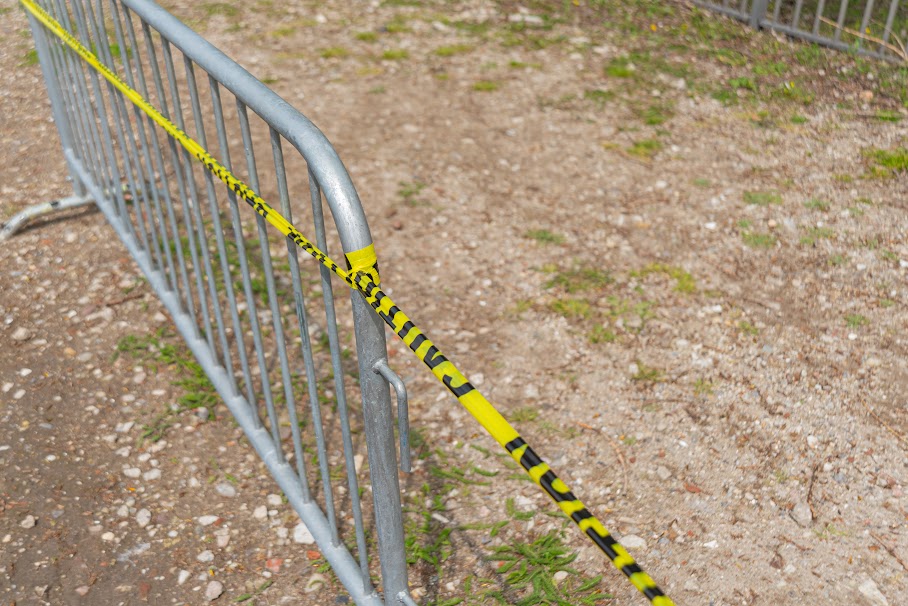
    Guardrails serve as a passive fall protection system, acting as a barrier between workers and the edges of work surfaces. Usually constructed from steel or aluminum, these fall protection guardrails are engineered to withstand the impact of a falling worker. Similar to fall protection netting systems, guardrails are highly effective in preventing falls by offering a physical barrier that impedes accidental falls from platforms or roofs. Additionally, guardrails are simple to install and demand minimal upkeep, making them a swift and convenient safety measure.

    Role of Guardrails in Fall Prevention

    Safety guardrails play a crucial role in fall prevention by providing a physical barrier that prevents individuals from accidentally falling from elevated surfaces such as balconies, staircases, rooftops, or raised platforms.

    Key Features of Effective Guardrails:

    1. Height: Tall enough to prevent falls.
    2. Strength: Strong and stable construction.
    3. Spacing: Bars close enough to prevent passage but maintain visibility.
    4. Secure Attachment: Firmly anchored to supporting structure.
    5. Smooth Surfaces: No sharp edges to prevent injury.
    6. Visibility: Highly visible, painted or with reflective strips.
    7. Durability: Made from durable materials for long-term use.

    What are Safety Nets?
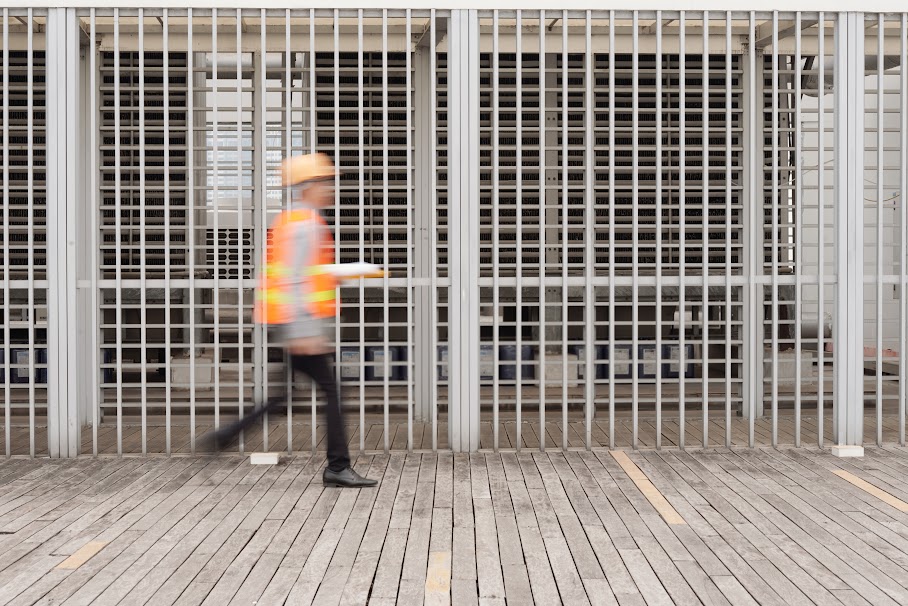
     

    Safety nets, a common fixture in construction, are a form of passive fall protection. Typically crafted from nylon or polyester, they serve to intercept falling workers or debris. Positioned beneath the work area, they cushion the impact, reducing the likelihood of injury, fatality, or property damage. Especially valuable when guardrails are impractical, construction safety nets offer an effective safeguard for workers laboring at elevated levels.

    Role of Safety Nets in Fall Prevention

    Safety nets play a crucial role in fall prevention, particularly in industries like construction where workers are often exposed to heights. Here’s how safety nets contribute to fall prevention and how they are implemented:

    1. Fall Arrest Functionality: Safety nets for fall protection are designed to catch workers who may fall from elevated surfaces, such as scaffolding or roofs. By providing a cushioned landing surface, safety nets reduce the risk of severe injuries or fatalities resulting from falls.
    2. Collective Protection: Unlike personal fall arrest systems which rely on individual equipment, safety nets offer collective protection. This means that multiple workers in the vicinity can benefit from the same safety measure, enhancing overall safety at the worksite.
    3. Compliance with Regulations: Many regulatory bodies and safety standards require the use of safety nets in certain situations to ensure compliance with safety regulations. Implementing safety nets helps companies adhere to these standards and avoid penalties or legal liabilities.
    4. Versatility: Safety nets can be installed in various configurations to suit different worksite layouts and requirements. They can be used horizontally under elevated work areas or vertically as perimeter protection, providing flexibility in implementation.
    5. Integration with Other Safety Measures: Safety nets can complement other fall prevention measures, such as guardrails, personal fall arrest systems, and safety harnesses. When used in conjunction with these measures, safety nets create layers of protection, further reducing the risk of falls.

    By partnering with a trusted scaffolding supplier, construction teams can enhance productivity, mitigate risks, and ultimately achieve successful project outcomes.

    Implementation of Safety Nets

    1. Risk Assessment: Conduct a thorough risk assessment to identify areas where workers are at risk of falling. This assessment should consider factors such as height, work tasks, and environmental conditions.
    2. Selection of Appropriate Nets: Choose safety nets that meet relevant safety standards and are suitable for the specific worksite conditions. Consider factors such as mesh size, net strength, and attachment methods.
    3. Installation: Safety nets should be installed by trained professionals according to manufacturer specifications and industry best practices. Proper installation ensures that the nets are securely anchored and capable of effectively catching falling workers.
    4. Regular Inspection and Maintenance: Implement a schedule for inspecting and maintaining safety nets to ensure their continued effectiveness. Inspections should check for damage, wear and tear, and proper tensioning of the nets.
    5. Worker Training: Provide comprehensive training to workers on the proper use of safety nets and other fall prevention measures. Workers should understand how safety nets function, when and where they are required, and how to properly position themselves to minimize the risk of falls.

    By implementing safety nets effectively and integrating them with other safety measures, companies can significantly reduce the risk of falls and create safer working environments for their employees.

    You can also read our blog related to “Tips to Ensure Safety and Prevent Falls When Working on Scaffolding System”. Click the link and visit our blog page to get more insights. “

    Compliance With Guardrail And Safety Net Standards
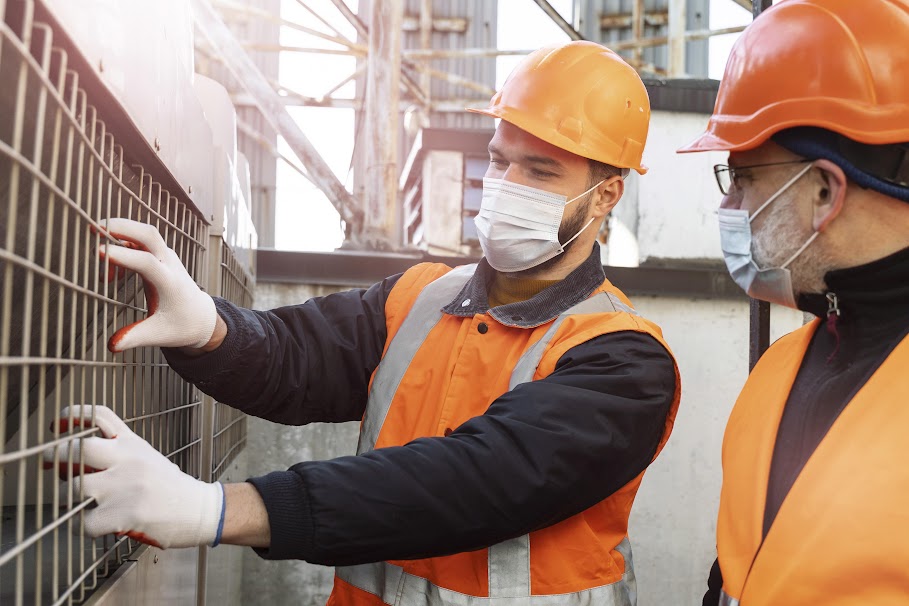
    Guardrails and Safety Nets


    Compliance with standards and regulations for guardrails and safety nets is crucial to ensuring the safety of workers in various industries, particularly those involving work at heights. Here are some key standards and regulations that govern guardrails and safety nets:

    1. OSHA Regulations (U.S.): In the United States, the Occupational Safety and Health Administration (OSHA) sets standards and regulations related to guardrails and safety nets under the Occupational Safety and Health Act. OSHA’s regulations provide guidelines for fall protection systems, including guardrails and safety nets, to prevent falls in construction and general industry settings.
    2. ANSI/ASSP Standards: The American National Standards Institute (ANSI), in collaboration with the American Society of Safety Professionals (ASSP), develops and publishes standards for guardrails and safety nets. ANSI/ASSP standards provide specifications for the design, installation, testing, and maintenance of these safety systems to ensure their effectiveness in protecting workers.
    3. European Standards (EN): In Europe, guardrails and safety nets are regulated according to European standards (EN). These standards provide requirements and guidance for the design, installation, and use of fall protection systems in compliance with European Union directives and national regulations.
    4. Industry-Specific Standards: Certain industries may have specific standards and regulations governing guardrails and safety nets tailored to their unique hazards and requirements. For example, the construction industry often follows standards set by organizations like the Construction Industry Institute (CII) or the Construction Safety Association of Ontario (CSAO).
    5. Certification and Testing Requirements: Guardrails and safety nets must often undergo certification and testing to ensure they meet regulatory requirements and performance standards. This may involve third-party testing by accredited laboratories to assess factors such as load-bearing capacity, durability, and resistance to environmental conditions.
    6. Training and Education: Compliance with standards and regulations also involves providing adequate training and education to workers who are involved in the installation, use, and maintenance of guardrails and safety nets. Proper training ensures that workers understand how to properly inspect and maintain these safety systems to ensure their effectiveness.
    7. Documentation and Record-Keeping: Maintaining documentation of compliance with standards and regulations, including records of inspections, maintenance activities, and training, is essential for demonstrating regulatory compliance and ensuring accountability in the event of an incident or inspection.

    Overall, compliance with standards and regulations for guardrails and safety nets is essential for promoting a safe working environment and preventing falls and injuries in the workplace. Employers and workers must stay informed about relevant standards and regulations and take appropriate measures to ensure compliance and enhance workplace safety.

    Conclusion

    It’s clear that guardrails and safety nets are key in keeping us safe from falls. These tools are like invisible heroes; they catch us when we’re about to stumble, making sure we stay on our feet. From building sites to everyday places, adding these safety features means we can go about our high-up tasks without worry. They’re not just there for show; they actually save lives by stopping accidents before they happen. 

    So, remember, every time we see guardrails and safety nets, it’s a sign that someone cares about keeping us safe. Let’s all appreciate and support the use of these vital safety nets in our lives. Together, we can make sure that fewer people get hurt by simply falling down.

    Why choose AAIT Scaffold for Guardrails and Safety Nets

    Guardrails and safety nets play crucial roles in fall protection systems within the construction sector, serving as highly efficient methods for averting falls and safeguarding workers. 

    At AAIT, we recognize the paramount significance of on-site safety. With a decade long experience as the best scaffold distributors in the USA, you can trust that our offerings have undergone rigorous testing and refinement. 

    Whether you require guardrails, fall protection netting systems, or associated hardware accessories, we have all your needs addressed. For further insights into our company or to explore our complete range of products, visit our website without delay.
  2. Scaffolding Rental: Which Kind Of Projects Benefit?

    Comments Off on Scaffolding Rental: Which Kind Of Projects Benefit?


    Scaffold Rental Benefits


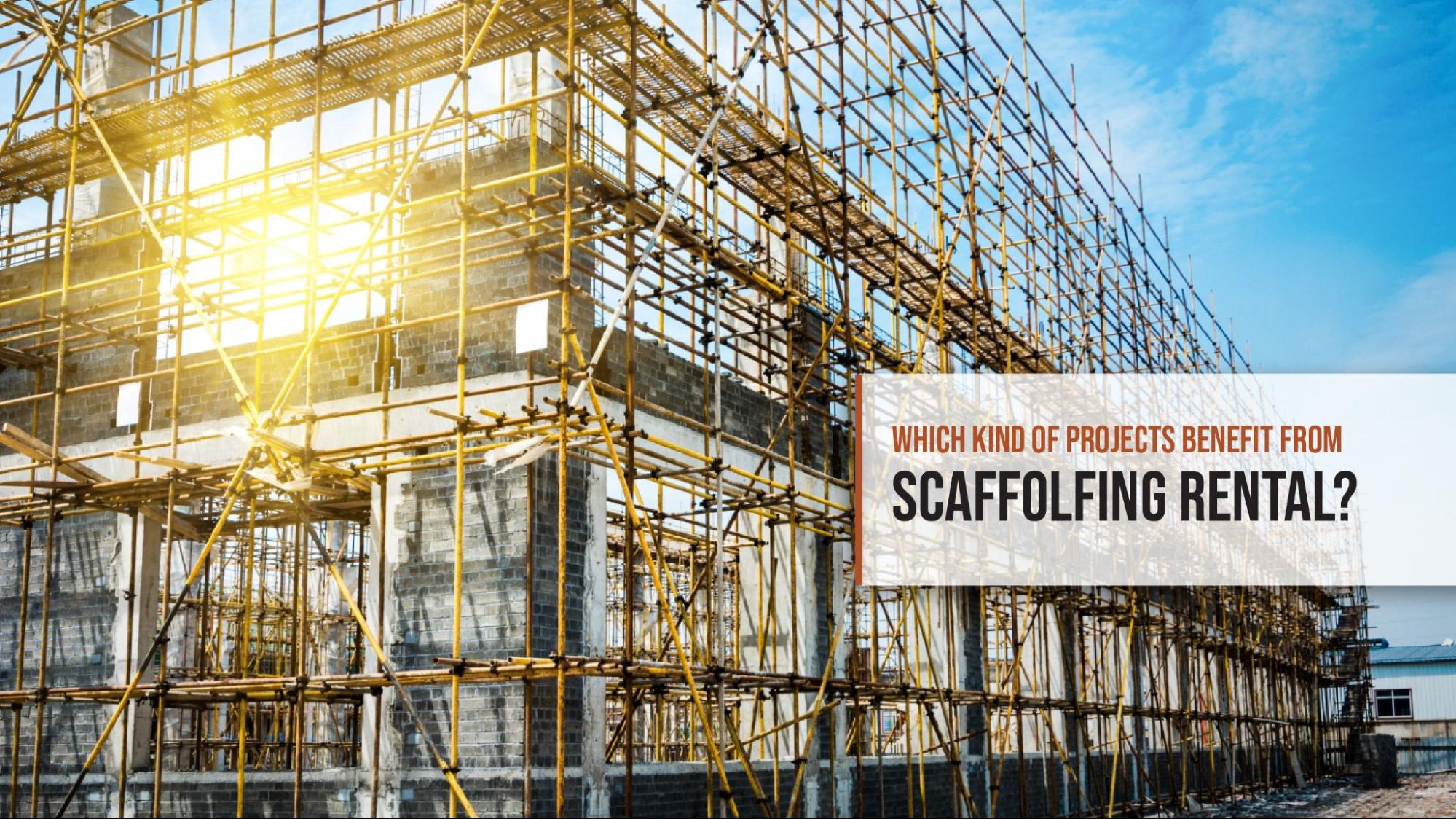
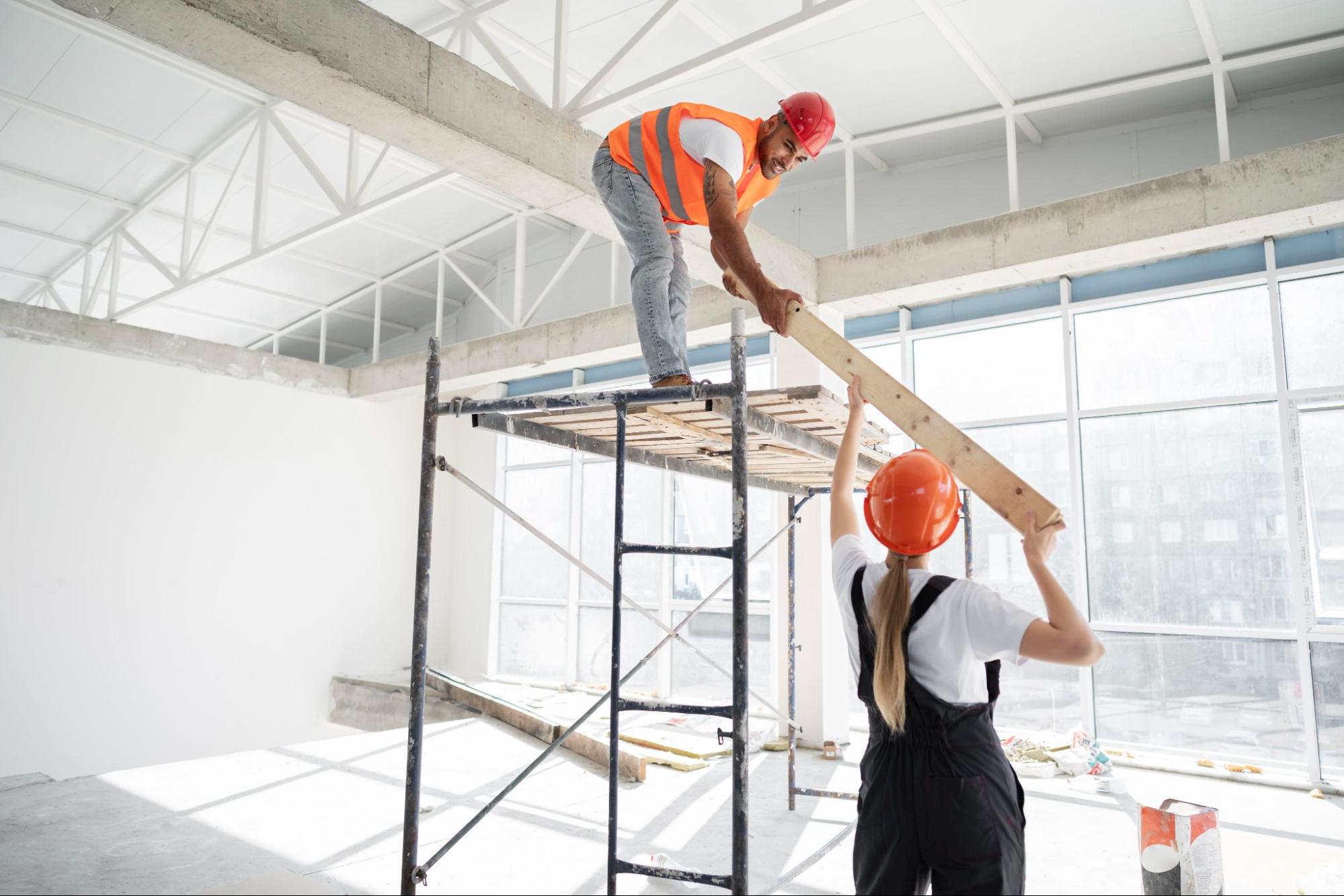
    When working on construction, maintenance, or renovation projects, having safe and efficient access to heights is essential. Scaffolding is essential in these situations because it provides a safe platform for workers to perform their tasks. While some projects may require your own scaffolding material and scaffolding accessories, many others can benefit from scaffold rental services with flexibility and cost-effectiveness. In this article, we will look at the benefits of scaffold rental and highlight several scenarios in which renting the necessary scaffolding is the best choice.

    Is Renting Scaffolding A Better Option For Your Next Project?

    Scaffold rental is suitable for a variety of projects, including new construction, renovation, and industrial projects. But when is it better to rent scaffolding than to buy it? To answer this question, you must consider the specific needs of your project. Here are some examples of when your project might benefit from scaffolding rental:

    Projects That Require A Large Amount Of Scaffolding Material

    When working areas must be accessed from great heights, the list of scaffolding materials required is extensive. No problem if you have enough scaffolding material in your warehouse to erect such scaffolding while still having space for other projects. Do you think this is a utopian idea? Then we’re right there with you. Scaffold rental is often ideal for projects that require a large amount of material. This allows you to temporarily increase your stock while maintaining yard capacity for other projects. That means you keep your flexibility!

    Projects That Require Special Scaffolding Components

    At best, you can use every scaffolding component in your inventory for a variety of projects. But the truth is that there will always be special parts that are only required for one specific project. It may be more cost effective to rent these scaffolding components rather than purchase them. This allows you to easily return them to the rental company once your project is complete, saving you money on storage.

    Projects With Short Or Precisely Defined Standing Times For Scaffolding

    Renting scaffolding material is worth considering, especially if you are planning a project that will only be used for a short period of time. As a general rule, a standing time of 12 weeks or less can help you decide whether to purchase or rent scaffolding.

    Renting scaffolding is a popular alternative to purchasing, particularly in industries with fixed deadlines that cannot be delayed. For example, in the event industry, where event days are fixed, or in the oil and gas industry, where shutdowns and turnarounds must adhere to strict schedules. Hence it is very important to choose the right scaffolding supplier for your project.

    Scaffolding Rental Types

    Single Scaffolding Rental:

      1. Primarily used in brick masonry, earning the nickname “bricklayer’s scaffold.”
      2. Requires fastening to the working wall using components like ledgers, standards, and putlogs.
      3. Initial ease of construction and wind stability are advantages.
      4. Limitations include the inability to add layers until brick curing is complete, making it unsuitable for complex or elevated structures.

    Double Scaffolding Rental:

      1. Also known as “mason’s scaffolding,” suitable for brick and stone masonry.
      2. Utilizes two rows of scaffolding, with the first set anchored to the second.
      3. Allows for continuous elevation without waiting for curing, facilitating construction of multi-story buildings.

    Mobile Scaffolding Rental:

      1. Features casters for mobility and adjustable work platforms.
      2. Offers convenience and stability for indoor or outdoor use.
      3. Multiple work platforms are possible for taller towers, ensuring stability during work.

    Cantilever Scaffolding Rental:

      1. Used for elevated structures without ground support.
      2. Utilizes a mix of rented and structural pieces, anchored to the structure itself.
      3. Enables custom scaffolding conforming to the structure’s shape with additional wall anchors as needed.

    Trestle Scaffolding Rental:

      1. Adjustable to varying construction levels without disassembly.
      2. Utilizes folding supports or ladder-like structures for climbing.
      3. Suitable for indoor use and can be converted into mobile scaffolding with casters.
      4. Requires minimal construction, making it ideal for quick project setup.

    Benefits Of Renting Scaffolding

    Scaffold rental is an inexpensive way to temporarily increase your inventory. To you, this means:

    • Cost Savings: Storage and maintenance expenses are kept low. Scaffolding rental cost is quite affordable.
    • More Flexibility: Stock up on scaffolding equipment on short notice, eliminating the need for large investments. This allows you to cover projects with high material demands without depleting your entire inventory.
    • Clever Stock Management: The 80/20 rule allows you to stay flexible and prepared for seasonal fluctuations in orders.
    • Access to Specialized Equipment: Renting scaffolding allows you to access specialized or advanced equipment without the need for a large capital investment. This is particularly beneficial for unique projects that may require specific types of scaffolding.
    • Avoidance of Storage Issues: Scaffolding can take up a significant amount of space when not in use. Renting eliminates the need for storage space, which can be especially advantageous for smaller contractors or those with limited storage capacity.
    • Compliance with Safety Standards: Rental scaffolding is often well-maintained and meets safety standards and regulations. This can be crucial for ensuring a safe working environment and avoiding potential legal issues related to non-compliance.
    • Reduced Depreciation Concerns: Owning scaffolding means dealing with depreciation over time, impacting the asset’s value. Renting eliminates this concern, as you only pay for the time you use the equipment without worrying about its long-term value.
    • Quick Availability: Rental scaffolding is readily available, allowing you to start your project promptly. This can be crucial in situations where time is a critical factor, and delays are costly.
    • Adaptability to Project Changes: Projects may evolve, and the requirements for scaffolding can change. Renting allows you to adapt to these changes easily, providing the right equipment as the project progresses.
    • Expert Advice and Support: Rental companies often provide expertise and guidance on the selection and use of scaffolding. This can be valuable, especially for those less experienced in construction or maintenance work.

    Conclusion

    Scaffolding rental serves as a versatile solution catering to a wide array of projects across various industries. From construction sites to maintenance tasks, its adaptability and scalability make it indispensable. Whether it’s a small-scale renovation or a large-scale infrastructure project, scaffolding rental offers the flexibility and safety required to elevate efficiency and success.

    Are you searching for ‘scaffold rental near me’ in the USA? Then, contact the AAIT team for authentic information! Do not hesitate to contact AAIT for your scaffolding services in the USA. Working together, we can make your project fantastic. Also, scaffoldssupply.com is a well-known US online store where you can get scaffolding at a low price if you’re in the market for some scaffolding in Houston.

  3. How Scaffolding Businesses Can Scale-Up in the USA: Trends and Forecast 2024–2030

    Comments Off on How Scaffolding Businesses Can Scale-Up in the USA: Trends and Forecast 2024–2030


    As the scaffolding industry continues to evolve in the United States, understanding the prevailing trends and forecasting future trajectories becomes imperative for scaffolding business aiming to scale-up. The period from 2024 to 2030 promises both challenges and opportunities, shaped by technological advancements, regulatory changes, and shifting market demands.

    In this blog, we delve into the key trends impacting the scaffolding sector and provide insights into how scaffolding business can strategically navigate these dynamics to achieve sustainable growth and expansion in the coming years.

    The scaffolding market was estimated at USD 13830.44 million and is expected to reach USD 19651.91 million by 2028, with a CAGR of 6.03% over the forecast period.

    The scaffolding industry in the United States is a large and growing industry, with over 30,000 businesses operating in the country. The industry is expected to continue to grow in the coming years, driven by factors such as the increasing demand for construction, the rising popularity of prefabricated construction methods, and the need for repairs and maintenance of existing infrastructure.

    Market Overview of the Global Scaffolding Market: 

    According to our most recent research, the global scaffolding market looks promising over the next five years. The global scaffolding market was valued at USD 13830.44 million in 2022, and it is expected to grow to USD 19651.91 million in 2028, with a CAGR of 6.03% over the forecast period.

    Scaffolding business provide a variety of services, including the rental, sale, and installation of scaffolding systems. They also offer safety training and inspection services. The scaffolding industry is a competitive one, with businesses vying for contracts from a variety of customers, including general contractors, sub-contractors, and homeowners.

    Factors Driving the Growth of the Scaffolding Business in the USA?

    The scaffolding business in the USA is expected to see continued growth in the coming years, driven by several key factors:

    • Booming Construction Industry:

    The construction sector in the USA is experiencing a boom, driven by factors like infrastructure spending, increasing population, and rising demand for residential and commercial buildings. This directly translates to a higher demand for scaffolding for construction projects.

    • Government Investments:

    Government initiatives and investments in infrastructure development, like bridges, roads, and renewable energy projects, are creating significant demand for scaffolding solutions.

    • Urbanization and Industrialization:

    Rapid urbanization and industrialization are leading to the construction of high-rise buildings and complex industrial facilities, requiring specialized scaffolding systems.

    • Focus on Safety and Efficiency:

    Growing awareness of worker safety regulations and the need for efficient construction methods are driving demand for innovative and secure scaffolding systems.

    • Technological Advancements:

    Advancements in materials like lightweight aluminum and composites are making scaffolding systems more portable, durable, and easier to manage. Additionally, digital tools for design, planning, and erection are improving efficiency and safety.

    • Rental Model Gaining Traction:

    The rental model for scaffolding is becoming increasingly popular due to its cost-effectiveness and flexibility, especially for smaller construction projects.

    • Environmental Concerns:

    Sustainable and eco-friendly scaffolding solutions are gaining traction, with companies exploring recyclable materials and energy-efficient designs.

    It’s important to note that this is not an exhaustive list, and the specific factors impacting the growth of individual scaffolding businesses may vary depending on their size, location, and specialization. However, the overall outlook for the industry in the USA remains positive.

    Who Are The Largest Manufacturers Of The Scaffolding Market In The USA?

    Identifying the single largest manufacturer of scaffolding and scaffold distributors in the USA is difficult due to the fragmented nature of the market. However, several major scaffold distributors in USA hold significant market shares, including:

    • Baker Scaffold (US-based, over 80 years in business) 
    • ESCO Scaffold (US-based, over 40 years in business)
    • Ringlock Scaffolding (US-based, subsidiary of German company Layher) 
    • Hy-Lite Scaffold (US-based, over 30 years in business) 
    • Bil-Jax Scaffolding (US-based, over 70 years in business) 
    • AAIT (US-based, over 20 years in business) 

    What Are The Types Of Scaffolding Available In The Us Market?

    The market is divided into product types, with the following types accounting for the majority of the scaffolding market share in 2023.

    1.Frame Scaffolding: 

    Frame scaffolding is a type of scaffolding system that consists of vertical and horizontal frames connected together to create a stable structure. The frames are usually made of steel and are available in various sizes.

    2.System Scaffolding: 

    System scaffolding, also known as modular scaffolding, is a type of scaffolding that uses pre-engineered components that can be easily connected together. This system typically includes standards, ledgers, transoms, and diagonal bracing.

    3.Conventional Scaffolding: 

    Conventional scaffolding refers to the traditional method of constructing scaffolding using individual components like pipes, tubes, boards, and couplers. This method is more labor-intensive and requires skilled workers for assembly.

    Regional Segmentation:

    • North America (United States, Canada and Mexico)
    • Europe (Germany, UK, France, Italy, Russia and Turkey etc.)
    • Asia-Pacific (China, Japan, Korea, India, Australia, Indonesia, Thailand, Philippines, Malaysia and Vietnam)
    • South America (Brazil, Argentina, Columbia etc.)
    • Middle East and Africa (Saudi Arabia, UAE, Egypt, Nigeria and South Africa)

    Scaffolding Market size is expected to be worth around USD 113.3 Bn by 2032. Construction remains the dominant industry driver, but other sectors like shipbuilding, oil & gas, and aviation are contributing to growth. Despite a slight decline in 2023, the scaffolding contractor industry shows long-term potential due to increasing infrastructure investments and urban development.

    Growth and Opportunities of Scaffolding Business

    Growth:

    • Urbanization and infrastructure spending: Growing urban populations necessitate new buildings and infrastructure projects, fueling demand for scaffolding.
    • Focus on safety and efficiency: Modern scaffolding solutions prioritize worker safety and efficient construction processes, attracting increased adoption.
    • Advancements in technology: Innovations like modular systems, digital monitoring, and AI-powered design tools are driving market expansion.

    Opportunities:

    • Diversification into new markets: Expanding into sectors like renewable energy, event management, and disaster relief offers untapped potential.
    • Rental and leasing models: Offering flexible rental and leasing options caters to short-term project needs and expands customer reach.
    • Specialized services: Focusing on niche areas like custom scaffolding solutions or restoration projects can create competitive advantages.

    Online Presence of the Scaffolding Business

    The scaffolding market has seen a significant increase in its online presence in recent years, driven by several factors:

    • The growing importance of digital marketing: As more and more businesses move online, scaffolding companies are recognizing the need to have a strong online presence to reach potential customers.
    • The increasing use of mobile devices: With more people using smartphones and tablets to access the internet, it is essential for scaffolding companies to have mobile-friendly websites and online resources.
    • The rise of e-commerce: While not as common as in other industries, some scaffolding companies are starting to sell their products and services online.

    Are you searching for a reliable global scaffold accessories and equipment supplying company for your construction projects? Look no further! AAIT is a trusted name in the industry, providing high-quality scaffolding solutions to meet your specific needs. With a commitment to safety, durability, and efficiency, we strive to be your preferred partner in the construction journey.