
 Download
Scaffold Parts – Every Construction Expert Should Know
Comments Off on Scaffold Parts – Every Construction Expert Should Know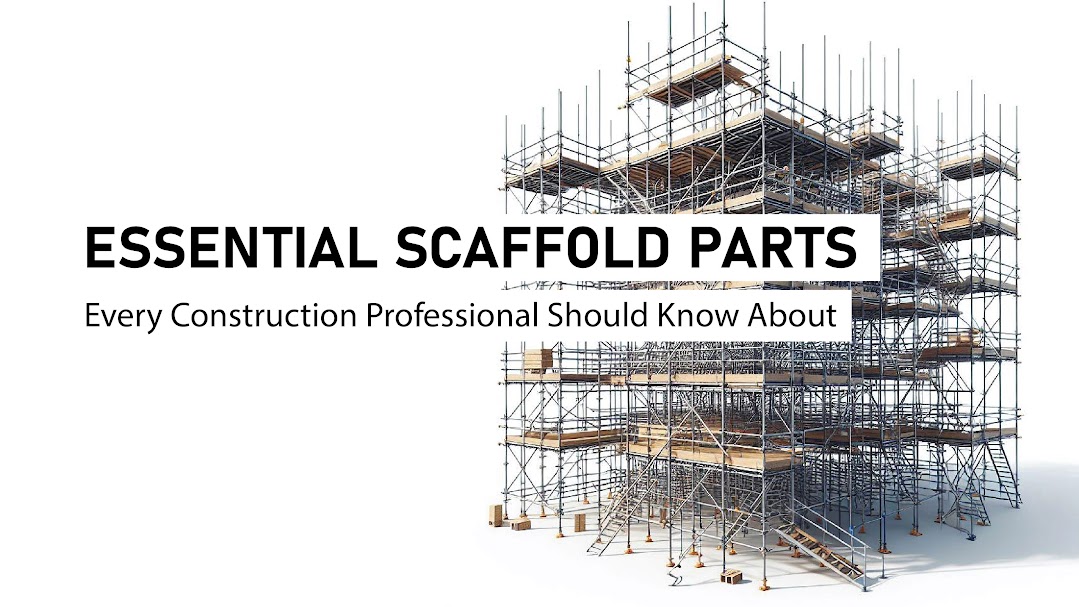
Understanding the essential scaffold parts is key to safe and efficient construction. From base plates and ledgers to guard rails and couplers, each component plays a vital role in structural integrity and worker safety. Whether you’re erecting a mobile scaffold or a complex system, having the right parts ensures compliance with OSHA standards and project efficiency.
It’s put up and taken down as needed during construction, repairs, or maintenance work. The main idea is to make sure the work can be done safely and efficiently at heights. This blog will delve into the key components that make up scaffolding systems. Understanding these essential scaffold parts is vital for construction professionals, as it ensures the safe and effective use of scaffolding on job sites.
Importance of Scaffolding in Construction
Scaffolding is super important in construction. It’s like a big helper that makes sure workers are safe, can easily reach different parts of a building, and get their work done faster. Without it, working on high levels would be dangerous, take a long time, and be less efficient. Scaffolding gives workers a sturdy platform to do their tasks at different heights, making sure construction projects are successful and finished on time.
From the basic elements to more complex components, we will explore each part’s function and significance in the construction process.
All the Essential Scaffold Parts
1. The Sole Plate Or Board
The sole plate is critical because it distributes the weight of the scaffold and its occupants, providing stability and preventing the structure from sinking into the ground.
2. The Base Plate
A base plate is an important component in scaffolding that forms the scaffold structure’s bottom support. Base plates, which are typically attached to the ends of vertical scaffold standards or uprights, serve several functions:
- Load Distribution
- Stability
- Connection with Sole Plates
- Adjustability
3. Uprights (standards)
Standards, also known as uprights or verticals, are the vertical tubes that form the scaffolding’s main framework. These components support the entire structure by bearing the load and providing vertical support. They are usually connected to the base plates, which evenly distribute the weight and anchor the scaffolding to the ground.
4. Horizontal Tubes (Ledgers)
Ledgers are horizontal tubes that connect the standards together. They aid in load distribution and lateral support for the scaffold. Ledgers are parallel to the building’s facade and play an important role in the structure’s overall stability.
5. Glass Transoms
Transoms are horizontal members that run parallel to the ledgers. They strengthen and support the scaffold structure, increasing its load-bearing capacity. Transoms are particularly useful for supporting scaffold boards or platforms where workers stand or place materials.
6. Interlateral Bracing
Braces or horizontal diagonal members that are intended to stabilize the scaffold structure laterally and keep it from collapsing.
7. Longitudinal And Diagonal Brace
An X-shaped connection between standards and ledgers is formed by inclined tubes called diagonal braces. To increase the scaffolding’s stiffness and stability, these braces are necessary. They guarantee that the structure can resist lateral forces like wind and stop it from swaying or leaning.
8. Step
Scaffolding systems would not be complete without ladders, which offer easy and secure access to all levels of the scaffold. Users should adhere to safe climbing procedures and ensure that adders are firmly fastened to the scaffold. In order to avoid mishaps, guardrails and other fall protection devices are frequently installed.
9. Scaffolding Couplers And Clamps
Couplers and clamps are crucial parts of scaffolding that join various scaffold tubes or members to form a sturdy and secure structure.
10. Planks For Scaffolding
Planks, another name for scaffold boards, are the platforms that laborers stand on while setting up their equipment and supplies. Usually composed of metal or wood, these boards ought to be sturdy enough to hold the weight that is intended for them. Scaffold planks must be installed correctly and securely to ensure worker safety.
11. Suspended Scaffold Parts
Suspended scaffold parts are crucial components in the construction and maintenance industry, playing a pivotal role in ensuring the safety and efficiency of work at elevated heights.
12. Metaltech Scaffold Parts
Metaltech scaffold parts are like big metal pieces that fit together to make a safe, temporary platform for construction or maintenance work. It’s like a giant erector set for adults, helping workers reach high places securely.
Premium scaffolding equipment and accessories suppliers from trusted firms. Elevate your builds with us.
Inspection and Maintenance of Scaffolding Parts
A. Importance of Regular Inspections of scaffolding
Checking scaffold parts regularly is really important. It helps find possible dangers, makes sure everything follows safety rules, and stops accidents from happening. You should check the scaffold before you first use it, after any changes are made, and regularly while you’re using it. This way, you make sure everything stays safe and works the way it should.
B. Common Issues to Look for During Inspections
Inspectors should be vigilant for signs of wear, damage, corrosion, and any alterations to the scaffold structure. Defective components, loose connections, and missing parts can compromise the entire system’s integrity, leading to accidents.
Explore a World of Possibilities with Our Premium Scaffold Parts for Sale!
C. Tips for Maintaining Scaffolding Parts for Longevity
Taking care of the pieces of a scaffold so they last a long time is important. Here are some simple tips:
- Regular Cleaning: Clean the scaffold parts often to remove dirt and debris. This helps prevent damage.
- Check for Rust: Rust can make the parts weak. Look for any rust, and if you find it, clean it off and apply a rust-resistant coating.
- Proper Storage: When not in use, store the scaffold parts in a dry and covered area. This protects them from the weather.
- Inspections: Regularly check all parts for any signs of damage or wear. If you find any issues, fix them right away.
- Follow Instructions: Use the scaffold according to the manufacturer’s instructions. This ensures you’re using it in a way that won’t cause damage.
- Avoid Overloading: Don’t put too much weight on the scaffold. Follow weight limits to prevent strain on the parts.
- Handle with Care: Be gentle when assembling and disassembling the scaffold. Rough handling can lead to damage.
- Replace Worn Parts: If any parts show signs of wear or damage that can’t be fixed, replace them promptly.
By following these simple tips, you can help make sure your scaffolding parts stay in good shape for a long time. For more information on scaffolding maintenance, you can read our blog “Essential Scaffolding Maintenance Tips for a Safer Workplace”
Conclusion
In conclusion, understanding and recognizing the importance of each essential scaffold accessories is paramount for construction professionals. From standards and ledgers to couplers and anchors, each component plays a crucial role in creating a safe and reliable scaffold structure.
Using scaffold parts correctly is not only a matter of compliance with safety regulations but also a responsibility towards the well-being of construction workers. Adhering to proper setup procedures, weight limits, and maintenance guidelines is essential for a secure and efficient construction environment.
Construction professionals should prioritize safety in scaffold setup by investing time in proper training, regular inspections, and adherence to industry standards. Safety measures should be integrated into the construction process from the beginning, fostering a culture of responsibility and care for the well-being of workers.
By being well-informed about essential scaffold parts and emphasizing safety, construction professionals can contribute to the success of construction projects while ensuring the well-being of everyone involved.
Looking for reliable scaffold parts and scaffolding accessories suppliers in Huston, USA? Your search ends here! Elevate your projects with top-quality components at AAIT. Click now to explore a wide range of scaffold parts and elevate your construction game.