 Download
Top 5 Ways Modular Scaffolding Systems Save Time on Construction Sites
Comments Off on Top 5 Ways Modular Scaffolding Systems Save Time on Construction SitesA modular scaffolding technology is transforming the way people build things today. Globally, contractors are moving away from heavy, slow scaffolding and toward smarter, faster, flexible options. These are usually modular systems that make building quicker, safer, and cheaper. They limit the number of hours workers have to work through job efficiency, improve safety, and allow teams to complete complicated work with less manpower on the job. This blog will elaborate on what modular scaffolding systems are, how they work, and the top 5 ways modular scaffolding systems can save time on the job site.
Understanding Modular Scaffold and Its Growing Demand
What Are Modular Scaffolding Systems?
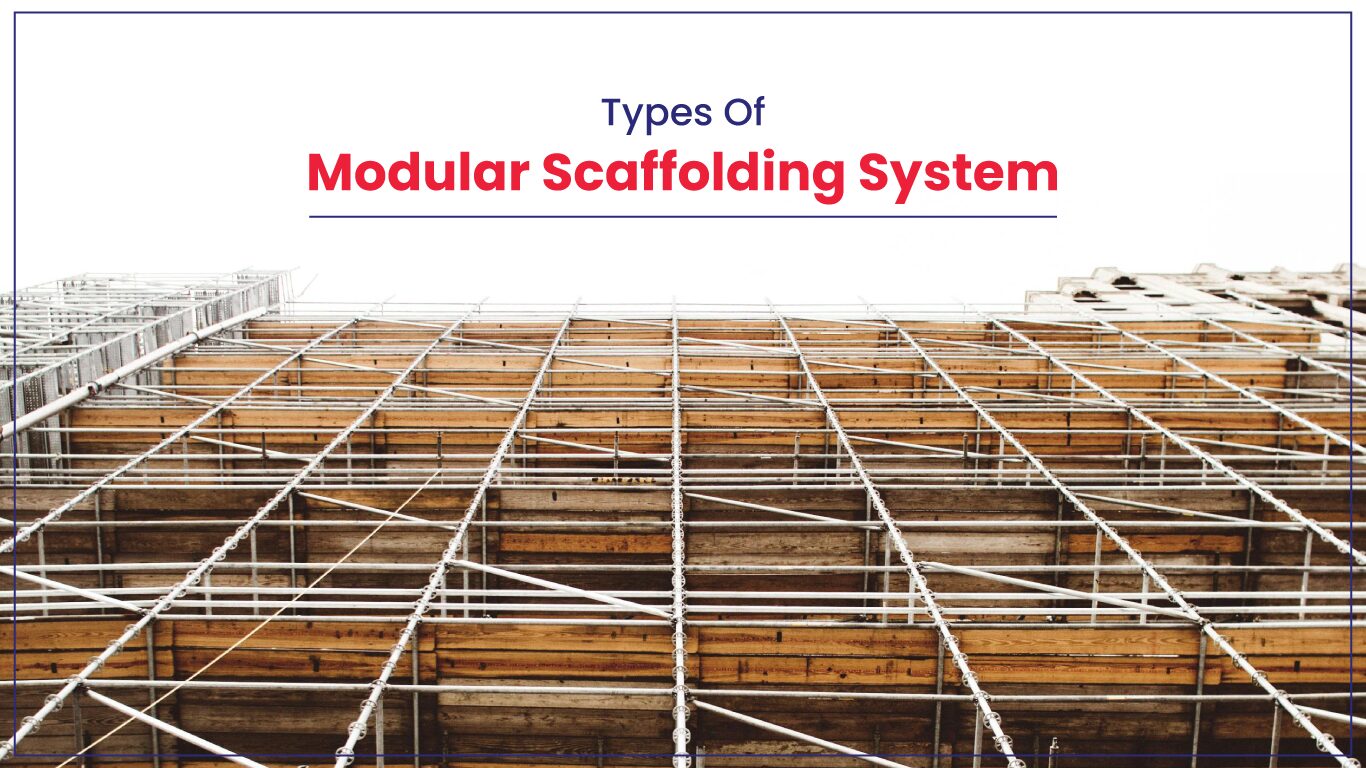
A modular scaffolding system is a construction system made up of pre-constructed parts that can be assembled and configured in multiple ways. Modular scaffolding is not a system with loose tubes and clamps as in traditional-type scaffolding, but a system with a series of interlocking connection points that become tight. This allows teams to quickly create structures and assemble materials accurately.
These scaffolds are made out of steel or aluminum, lightweight but strong. Since scaffolding systems can bend or hold, they can lend themselves to many different projects, from a simple repair to large commercial buildings. Their demand has grown dramatically over the past ten years as construction companies see how much time and work they can save with this technology.
Key Advantages of Using Systems Scaffolding
There are many evident benefits of using systems scaffolding. It cuts down on the time it takes to put up and take down, which makes it great for projects that move quickly. The uniform parts make the structure more stable and safe, which lets workers move around safely at height. These tools also let teams make precise changes to height and layout, so they can quickly respond to design changes on-site.
Contractors like them better since they need less tools and the parts can be swapped out. You can utilize the same scaffolding on more than one project, which saves money and space.
Different Scaffold Types Used in Construction
Traditional vs. Modular Scaffold Systems
When using traditional scaffolding, you typically have to put together loose pipes, clamps, and planks one at a time. It is reliable, but it takes a long time and expert workers to make sure everything is lined up correctly. On the other hand, modular scaffolds come with connecting points that are already there. This cuts down on the time it takes to put things together and gets rid of guesswork.
Also, traditional configurations are heavier and less flexible. Modular scaffolding systems can quickly be changed to go around angles, circular surfaces, and different heights, making them ideal for strange designs or hard-to-access areas in buildings. Many modern construction sites prefer this system for its quickness and convenience.
Choosing the Right Scaffold Type for Your Project
Every job requires a different kind of scaffolding. Simple frame scaffolding is still effective for small residential jobs because it is relatively inexpensive and light enough to move. However, modular scaffolds are valuable for larger commercial or industrial scaffolding jobs.
When selecting the right kind, you also need to factor in considerations such as possible heights, the weight load if applicable, and the conditions of the site, such as soil. Modular systems scaffolding works best if you need something that is flexible and can be set up quickly. It’s important to choose the right size and type of scaffolding for the job.
Essential System Scaffolding Parts You Should Know
Main Components of a Modular Scaffold
It’s helpful to know the main aspects of a system scaffold to understand how these systems work. These are standards (vertical tubes), ledgers (horizontal supports), transoms, base plates, and diagonal braces. Each part fits together perfectly, making a strong structure without the need for further fittings.
Workers can stand safely on platforms or decks that sit atop the ledgers. To enhance safety and improve access, they constructed guard rails gate, toe boards and ladders. The most advantageous aspect of modular scaffolding is that every component intertwines in a way that is logical, allowing teams to complete large projects more quickly.
How Quality Scaffolding Parts Improve Efficiency
Utilizing quality system scaffolding components improves overall job performance. Strong, durable components do not flex or sway, immobilizing the structure during loading, while durable locking arrangements and bracing lessen the likelihood of accidents.
Equipment is lessened both ways. The tools fit together effortlessly, allowing for more efficient setupand takedown. Individuals tend to be less distracted and function more efficiently utilizing brand-new fittings. Over time, this durability and performance translates into time savings and reduced disruptions.
Top 5 Ways Modular Scaffolding Systems Save Time
1. Faster Assembly and Dismantling
Perhaps the most appreciated feature of modular scaffolding is the ease of assembling the system. Because the components are pre-engineered with jointing features, the systems assemble far more easily than when using traditional methods. Even less experienced staff members navigate the process with basic supervision.
Taking it apart is equally as quick. It’s easy to take apart each portion, which speeds up site changes. This efficiency makes a big impact for projects with short deadlines.
2. Reduced Labor and Equipment Needs
Modular scaffolding needs fewer workers. Fewer personnel are needed to install the parts because they are lighter and easier to connect. Less usage of heavy instruments also makes people less tired and makes work go more smoothly.
This method saves time and lets teams do more in a day. It also lets contractors move workers to other important parts of the construction process. In the end, the job will take less time without sacrificing safety or quality.
3. Enhanced On-Site Safety and Productivity
Safety and productivity are two sides of the same coin. Modular scaffolding systems have several safety features, including safety rails, non-skid working platforms, and secure locking joints. When workers feel secure about the support structure they work on, they feel safe.
When they feel assured, they can focus their attention on what they are doing, rather than thinking about loose connections or if they can maintain their balance. Fewer accidents also mean less downtime. When safety gets better, productivity automatically goes up.
4. Easy Customization for Complex Projects
Construction sites are never the same from one project to another. Each building has its own unique shape and problem. Modular scaffolding systems are flexible, to where you can add or remove parts and not worry about resetting the entire system again.
This flexibility is beneficial for construction projects that have continuous rough surfaces or multiple levels due to the fact that access to all areas is made without the continual need to adjust. The end result is steady growth with no time wasted.
5. Reusable Design and Efficient Material Handling
Modular scaffolds are made to last, unlike materials that are only used once. You can use them again and again on different tasks without them losing strength or dependability. This means less time spent getting new materials and less mess at work sites.
System scaffolding elements that are all the same size also make it easier to move and store them. Contractors can better organize, load, and move them, which makes logistics better overall. A design that can be used again makes sure that everything goes smoothly and stays the same.
Why Contractors Prefer Modular Scaffold Over Conventional Types
Time-Saving Benefits of Systems Scaffolding
Speed is still the key reason why contractors like modular scaffolds. The goal of each portion of the system is to make work easier. Workers may simply move up and down because the modular layout doesn’t require them to keep moving ladders or boards.
These strategies assist in keeping things moving forward even when the schedule is unclear. Because there is little downtime between construction stages, crews can make their scheduled timeline without issues. Contractors like how modular installations give them multiple options for building work.
Long-Term Cost Efficiency and Durability
There may be an initial higher cost for modular scaffolding, but in a short timeframe, it pays for itself on a project. Each section is a built system that will not rust, wear out, or fall destructively due to accidental use. The maintenance costs are even less because of fewer parts being compromised and requiring replacement.
Contractors can save money on buying or renting equipment for future projects when they use reusable solutions. The long-term worth is unmatched when you add in the time saved.
Where to Find Reliable System Scaffold for Sale
Factors to Consider Before Buying
Before buying a system scaffold for sale, contractors should carefully think about what their project needs. Material type, height capacity, ease of assembly, and safety certifications are some of the most important things to think about.
When you buy from a trusted company, you can be guaranteed that the product satisfies quality standards. Check welds, connecting points, and surface coatings all the time. These things will affect how long your scaffolding lasts and how safe it is to use.
Trusted Suppliers of Modular Scaffolding Systems
There are currently a number of trustworthy vendors who sell high-quality modular scaffolding systems for a variety of projects. The better ones give you thorough information about the product and warranty choices and help after you buy it.
If you work with a reliable provider, you can be sure that replacement parts will be easy to find. This minimizes downtime in the event that something breaks or needs to be altered during the process.
Final Thoughts on Using Modular Scaffolding Systems
Building Faster, Safer, and Smarter with Systems Scaffolding
The rail scaffolding system represents a tremendous advancement towards an efficient construction process. It is a strong, flexible, and exceptionally fast system that allows builders to save significant amounts of time without taking shortcuts. Tasks that may have taken weeks to complete can now be accomplished in a few days.
Investing in modular scaffolding is both a smart move for contractors looking to stay competitive. If you are looking to eliminate construction delays, helpreduce labor costs, and improve safety, then modular scaffolding systems are the future of construction.
Frequently Asked Questions (FAQs)
1. How is modular scaffolding different from traditional scaffolding?
Modular scaffolding also features connecting pre-fixed anchor points for faster erecting and dismantling times. Normal scaffolding relies on loose pipes and clamps and by doing so, necessitates installing more parts, which takes considerable putting together.
2. Can modular scaffolding be reused for multiple projects?
Yes, it was meant to be reused. If maintained, they can utilize strength and stability over the course of multiple construction cycles.
3. Are modular scaffolding systems safe for large projects?
Yes, of course. Systems scaffolding has safety features like guardrails, secure locks, and stable platforms, so it can be used for both small and large construction projects.
4. What are the main system scaffolding parts used?
The primary components are standards, ledgers, transoms, foundation plates, and braces. The assembly of these materials is straightforward, yielding a solid and stable frame.
5. Why do contractors prefer modular scaffold systems?
General contractors like the flexibility for sure. For multiple applications, installation, and long-term cost savings. Time, limited occupancy, and overall site safety can also be improved with multiple applications.