
Tag Archive: Importance Of Scaffolding Safety

  1. Scaffolding Hazards at Construction Sites & How to Prevent Them (2026 USA Guide)

    Comments Off on Scaffolding Hazards at Construction Sites & How to Prevent Them (2026 USA Guide)

    Scaffolding Hazards

    What Are Scaffolding Hazards at Construction Sites and How Can They Be Prevented?

    One of the most dangerous safety threats on U.S. building sites is scaffolding hazards. Some of these risks are falling from a height, the structure collapsing, tools or debris falling, getting electrocuted by above electrical lines, and overloading the platform. OSHA in the United States oversees scaffolding safety under 29 CFR 1926 Subpart L. This law has tight rules about load capacity, fall protection, inspections, and worker safety. Unsafe scaffolding has the potential that may result in serious injuries and in some cases can even be fatal. Hence proper fixing of scaffolding equipment and checking every scaffolding safety regulation is of utmost importance.

    Most injuries that happen on scaffolding in the U.S. can be avoided if the right systems, inspections, and OSHA-compliant practices are used. This guide talks about the most prevalent scaffolding dangers in the US and gives contractors clear ways to avoid them right now.

    What Are Scaffolding Hazards?

    Scaffolding hazards are safety dangers that come with putting up, using, and taking down scaffolding systems on construction sites. The most common dangers in the U.S. are:

    • Falls from high platforms
    • Scaffold falls because it is unstable
    • Tools or materials that fall
    • Being electrocuted by electrical lines close
    • Too much load beyond the rated capacity
    • Unsafe access or climbing the wrong way

    These dangers can cause serious injuries, OSHA fines, project delays, and lawsuits.

    Why Scaffolding Safety Matters in the United States

    OSHA said that falls are still one of the most common causes of injury and deaths on construction sites across the country. A lot of scaffold accidents happen because of:

    • No guardrails
    • Putting the planks in the wrong way
    • Foundations that aren’t stable
    • Not enough good inspections
    • Not paying attention to the load ratings from the manufacturer

    Even slight faults during installation can ruin the whole structure.

    Using engineered systems like ringlock scaffolding systems or certified frame scaffolding systems makes structures stronger and more compliant.

    OSHA Scaffolding Regulations (29 CFR 1926 Subpart L)

    29 CFR 1926 Subpart L of the Occupational Safety and Health Administration (OSHA) rules safety requirements for scaffolding in the United States.

    Some important OSHA rules are:

    • Scaffolds need to be able to hold their own weight and four times the maximum load they are meant to hold.
    • Platforms that are more than 10 feet above a lower level must have guardrails.
    • Before each work shift, a “competent person” must check the scaffolding.
    • You need to make sure there is a way to get to the area (steps or ladders).
    • There must always be a safe distance between electrical power lines.

    If you don’t follow these rules, you could face big fines and orders to quit working.

    The Most Common Scaffolding Hazards and How to Prevent Them

    1. Falls from Height

    Falls are the most common danger when using scaffolding in the U.S.

    Here are some reasons why:

    • No guardrails
    • Planks that are slippery or not safe
    • Instead of stairs, climbing frames
    • No protection from falling

    Prevention:

    • Put in full guardrail systems (top rail and mid rail).
    • Check and secure scaffold planks
    • Use access systems that meet OSHA standards
    • Make sure the platforms are clean and dry.

    2. Scaffold Collapse

    Structural failure can cause a lot of injuries and put you at a lot of risk for lawsuits.

    Causes:

    • Ground that is weak or uneven
    • There is no diagonal bracing.
    • Parts that are broken
    • Putting things together wrong
    • Too much loading

    Prevention:

    • Make sure the base plates and sole boards are put on correctly
    • Make sure that all levels are properly braced.
    • Follow the engineering specs given by the manufacturer
    • Check the vertical alignment

    Ringlock scaffolding and other modular methods make locking stronger and stop structures from moving.

    3. Falling Objects

    Tools, materials, and trash that fall from scaffolds are quite dangerous for workers below.

    Causes:

    • No toe boards
    • Tools that aren’t locked up
    • Platforms that are too full

    Prevention:

    • Put in toe boards
    • When you need to, use debris netting.
    • Keep platforms neat and tidy

    4. Electrocution Hazards

    If metal scaffolding is too close to live power lines, it can conduct electricity.

    Prevention:

    • Keep the required clearance distances.
    • When necessary, work with utility companies
    • Teach staff how to spot electrical dangers

    5. Overloading

    Every scaffold system has a maximum load it can hold.

    Going over this limit greatly raises the chance of collapse.

    Prevention:

    • Check the load charts
    • Spread out the materials evenly.
    • Use planking systems that are strong enough to hold up.
    • Don’t stack too many things on platforms.

    6. Unsafe Access

    When workers climb bracing or structural parts, the risk of falling goes up.

    Prevention:

    • Install scaffold stairs to stop accidents.
    • Use ladder systems that are safe
    • Don’t ever climb cross braces.

    Safe access methods cut down on falls by a lot.

    Scaffolding Injury Statistics in the United States

    According to OSHA, thousands of people in the U.S. hurt themselves on scaffolds every year, and falls are the most common cause. Most accidents happen because there isn’t enough fall protection, the foundations aren’t stable, or there isn’t enough inspection.

    Properly recognising hazards and following OSHA rules greatly lowers the number of accidents.

    Daily Scaffold Safety Checklist (U.S. Jobsite Ready)

    Before every shift:

    • Check the toe boards and guardrails
    • Check that the planks are safe and not broken.
    • Check the stability of the base plates and the soil.
    • Check the diagonal bracing
    • Make sure the load limits are not exceeded.
    • Make sure there is a safe distance from electrical lines
    • Check that an expert has done the inspection.

    One of the best ways to stop something from happening is to inspect it regularly.

    Choosing OSHA-Compliant Scaffolding Systems

    When choosing scaffolding systems in the US, contractors should look for:

    • Following ANSI and OSHA rules
    • Load ratings that were designed
    • Guardrail systems that have been certified
    • Heavy-duty planks
    • Locking mechanisms that can be changed
    • Galvanisation that doesn’t rust

    Putting money into systems that are rated correctly lowers the risk of having to deal with problems during inspections and in the future.

    OSHA Compliance By AAIT

    AAIT is a scaffolding equipment company in the USA that manufactures the finest quality equipment. Various types of scaffolding equipment that can be used in refineries, shipyards, construction companies, etc. are distributed by AAIT. Proper care and testing are done before the distribution of any component from the house of AAIT.

    OSHA regulations with regard to each component’s build-up quality are taken care of. Besides this, in case of a defect, AAIT provides individualized customer care. This way, any concerns regarding the quality and quantity of scaffolding equipment are mitigated.

    Frequently Asked Questions (USA-Focused)

    What OSHA standard covers scaffolding?

    29 CFR 1926 is the law that governs OSHA scaffolding. Part L.

    At what height are guardrails required in the U.S.?

    Scaffolds that are more than 10 feet above a lower level must have guardrails.

    Who can inspect scaffolding on a U.S. jobsite?

    OSHA says that a “competent person” must check the scaffolding before each shift.

    What is the most common scaffolding hazard?

    In the United States, the most common and dangerous scaffold-related danger is falling from a height.

    How can scaffold collapse be prevented?

    Proper foundation support, correct bracing, load control, and daily inspections all make the risk of collapse much lower.

    Final Thoughts

    One of the biggest safety risks in U.S. construction is still scaffolding. However, with proper planning, by complying strictly with OSHA requirements, and by employing certified systems, most accidents are avoidable.

    Contractors can also take precautions to ensure the safety of workers while keeping the contract running smoothly if they understand the risks associated with the consequences of falling, collapse, electrocution, falling objects, and overloading.

    Safe scaffolding means people are kept safe, accidents are reduced to a minimum, and all sites operate smoothly.
  2. Common Scaffold Tower Mistakes and How to Avoid Them

    Comments Off on Common Scaffold Tower Mistakes and How to Avoid Them

    AAIT-Technocraft-blog-image-2

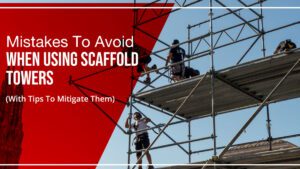
    A scaffold tower is an independent scaffold that consists of pre-fabricated scaffold components. These components are connected to build an accessible and movable system. These towers are used in heavy-duty on-site applications (like, installing ceiling fittings), where standard ladders aren’t enough. 

    The scaffold towers have multiple advantages, including-

    • Greater height, stability, and strength
    • Easy assembly and disassembly
    • High versatility
    • Light in weight and movable
    • High durability 
    • Made with non-corrosive materials

    However, these advantages can be jeopardized if the safety rules are compromised. This blog shall infer on most common mistakes made while handling scaffold towers along with some safety tips.

    Most common mistakes when using a scaffold tower

    Here are some mistakes that scaffolders should avoid when using scaffold towers.

         1. Introducing heavy objects on the tower to increase its height

    The ascent and descent using your access scaffolding equipment could be time-consuming. Given this, it is understandable why one could be tempted to use any available object, such as a chair or a plastic box, to increase their height. We understand the temptation, but it does not mean we believe you should give in to it. 

    A dependable stepladder, for instance, is not intended for usage atop an access tower, but rather on the ground. Using unanticipated items such as chairs or crates could place you in a perilous scenario. Keep away from the hazards!

         2. Using the scaffold tower when there are heavy winds

    We are not claiming that scaffold towers are incapable of withstanding heavy winds; this is frequently considered during the design phase. While the weather deteriorates, it is risky to perform work at a height when the wind speed is high. 

    If the winds become too strong, you should delay your work. The power of the wind alone may throw you off balance, and it could also send pebbles, dust, and other small objects at you at the worst possible moment. Avoid becoming one of the thousands of employees who have died from falls from a height during the past five years.

    Moreover, scaffolding is prone to several hazards at construction sites which can be prevented if adequate care is taken during and after its construction.

         3. Not calculating the safe working load

    Like ladders, scaffolding towers have a maximum weight capacity that must be observed. Thankfully, the vast majority of people can escape the grave danger of exceeding a ladder’s weight capacity. Keep everything on the scaffold tower for a short time, as removing it could compromise the platform. A fall of tools or materials could pose a hazard to those below.

         4. Buying cheap scaffold towers

    When it comes to accessing equipment, you should always invest a bit more than you would normally. In fact, we previously discussed on the blog why you should always invest in a quality ladder, and it boils down to the same principle: if you’re dedicating your life to it, you should never settle for a low-cost one.

         5. Scaffolders are untrained

    Understanding the structure of the site and how to operate the relevant equipment is crucial for every construction worker. On scaffolding, untrained personnel is less likely to identify danger warnings, be aware of their surroundings, and wear fall protection.

    At first glance, scaffold towers may appear more sturdy and durable than ladders, but do not assume they can sustain the same weight or power. Avoid jumping up and down or throwing heavy objects from a great height; they were designed to support the weight of a person standing still and making steady, planned movements.

         6. Neglecting the external dangers

    When a scaffold tower is constructed, it can reach heights so magnificent that they are almost intimidating. At this height, there is a high potential for electrical operations to be hazardous. Even though injuries experienced in this manner are typically less serious, the damage caused by high voltages could result in fatalities if not addressed prior to the commencement of operations.

    Safety tips when using scaffold towers

    To avoid the above mistakes, here are some safety tips.

    1. Use safety equipment and PPE kits
    2. Take note of load limits
    3. Know construction regulations and standards
    4. Inspect scaffolding materials
    5. Build the scaffold tower by following the manual provided by the scaffolding supplier
    6. Inspect the site and equipment every day before starting work
    7. Keep vehicles and heavy equipment clear
    8. Stay organized
    9. Mind the weather condition
    10. Be fully licensed
    11. Train scaffold users 

    Bonus tip: Scaffolding safety tags

    Tags on scaffolding indicate whether or not it is safe to use. A competent individual (as determined by OSHA) is required to inspect and label the scaffold structure. Three distinct types of scaffolding tags exist:

    Green scaffold tags– The presence of a green tag on a scaffold indicates that it has been examined and is safe to use. Upon completion of the initial inspection, it should be affixed to all access points.

    Yellow scaffold tags– The presence of yellow scaffold tags indicates particular requirements for safe use, i.e., the scaffold has been changed to match existing work requirements, and it may pose a safety risk to all users.

    Red scaffold tags– The presence of a red tag on a scaffold indicates that the structure is dangerous for use. These tags are frequently utilized when scaffolding is being installed or disassembled.

    These tags are provided by scaffolding accessories supplier that helps in distinguishing the safety levels while working.

    Avoid Mistakes For Safer Construction Works

    There are mistakes that can be avoided on the construction site. Scaffold towers, being multipurpose scaffolds, are mostly taken for granted. Hence, it becomes important to be aware of the common mistakes and tips to avoid any flaws or injuries.

    AAIT is a leading scaffolding accessories supplier in the USA. We provide top-notch scaffolding components and scaffold towers that meet OSHA regulations. From ringlock scaffold towers to movable and non-movable scaffold towers, all are available.

    Get in touch with us to avail towers from the best scaffolding distributor in the USA that provides maximum safety.

  3. What is the importance of scaffolding in construction?

    Comments Off on What is the importance of scaffolding in construction?

    aait-importance of sacffolding in constrcution

    System Scaffolding is a temporary structure that assists scaffolders in construction work and is used in almost all building projects. But still, there are several building projects that do not utilize scaffolding and risk their safety. 

    The statistics by OSHA suggest that only 65% of the construction industry uses scaffolds frequently. This boils down to ignorance of safety and productivity by not using system scaffolding. 

    It’s important to note that the scaffolding accessories are not only used for erecting a huge framework but are also used to boost the safety of scaffold users. Hence, this article specifically mentions when and why system scaffolding can be used.

    Where can system scaffolding be used?

        1. Construction work

    Systems construction scaffolding is likely the most popular type of scaffolding in the world, and there are countless manufacturers, each with their own unique efficiencies. Some perform well under extremely heavy loads, while others are better suited for smaller, repeated scaffolding structures.

    During the initial phases of a building’s construction, a large steel scaffold is required. Multiple areas of the house can be worked on simultaneously to expedite the project’s completion. Additionally, it is safer for workers working at heights.

    Even after the initial foundation and support have been constructed, scaffolding is required for the final touches. The workers have easy access to the roof in the event of any problems.

        2. Demolition work

    Demolition work is a difficult task that entails numerous construction-related dangers. Controlling and minimizing the risks posed to the safety and protection of your demolition crew requires extensive planning.

    To ensure safety during demolition work, the system scaffolding must be durable or specialized to include the following components:

    • A heavy load of materials that will accumulate on the platform after being dislodged.
    • The wind force will act on the scaffold.
    • On the containment sheet, water accumulated.
    • The aggregate weight of all workers on the platform at any given time.

        3. Renovation work

    Consider purchasing mobile scaffolding if you are planning extensive home renovations. You may be planning to add new rooms to your home, and the work can be completed even more quickly. It will help you remove exterior walls with greater precision and order.

    When walls are removed in an orderly manner, accidental damage to the rest of the house is minimized. It will also aid in the preservation of the renovation materials. While constructing new structures, you will enjoy all the advantages of construction platforms, and builders will have easy access.

        4. Roofing work

    While working on your roof, system scaffolding can provide numerous advantages. Although the benefit of having a roof platform is less significant, it is safer for your roofers. Also, it will be simple to transport the necessary materials to the roof once the structure is in place.

    Scaffolding provides electricians with the necessary space and access, particularly when installing solar panels.

    Why is scaffolding important in construction?

    The installation of scaffolding occurs at the outset of any construction or maintenance project. It is a temporary platform that provides support, and elevation, and allows construction workers to carry materials and conduct their work, including but not limited to repairs and cleaning.

    Here’s the importance of scaffolding in construction.

        1. Increases efficiency

    Scaffolding systems provide a safe platform for builders and workers. Improves scaffolding construction efficiency by being easy to move around any building. With scaffolding structures only taking a day to erect, it’s clear how they reduce time on-site, and when time is of the essence, it’s clear why scaffolding is important during construction.

        2. Enhances safety

    Working at heights always has risks. Scaffolding platforms allow scaffolders to work safely at height. Not only does scaffolding protect workers’ health, but barrier netting and fencing also protect the public below. These barriers catch debris and create a safe working environment for everyone.

        3. Easy to access

    In order to construct and build in a more inventive manner, scaffolding provides builders and workers with access to difficult-to-reach areas of buildings. With custom scaffolding, platforms can be constructed such that no design or blueprint is beyond the workers’ ability.

        4. Prime position for workers

    Scaffolding puts builders and workers in a strategic position to work. Scaffolding allows them to avoid using unstable ladders. Ladders mean the worker or builder is working at an angle with no solid platform and poor balance. A scaffolding system puts workers in front of the building, so they can easily work on the wall or ceiling. Multiple workers can work side-by-side, which isn’t possible with a ladder.

    AAIT is the Best Scaffold Distributor in the USA

    Scaffolding is an essential part of construction. It allows builders to safely erect high-rise buildings and make repairs and maintenance. Scaffolding speeds up construction while ensuring worker and public safety. So, hire a reputable scaffolding contractor.

    AAIT is a leading scaffold company in Houston that provides robust scaffolding equipment. To enhance the safety and productivity of the construction system, we deliver scaffolding accessories that meet OSHA guidelines.If you are searching for scaffold distributors in the USA, AAIT should be your ideal choice.